Introduction
This article delves into how isuzu garbage trucks provide waste collection solutions, empowering you to confidently navigate the challenges of modern urban waste management with enhanced efficiency, superior safety, and rigorous cost control—a factor of particular significance for procurement decision-makers committed to pursuing long-term operational value.
Efficient Waste Collection Starts with Right Vehicle Choice
When you are responsible for waste collection operations, you already know one thing: the environment is changing faster than the equipment. Narrow streets, limited turning space, and rising fuel costs are no longer “exceptions”—they are the normal operating conditions in most cities.
That’s exactly where Isuzu Garbage Truck solutions come into play.
These trucks are designed to help you operate smoothly in tight urban environments while maintaining high loading efficiency and safety standards. In this guide, you will explore how these vehicles work, why they are widely used, and how they can directly reduce your operational pressure in real-world applications.
And yes… we will also look at practical cases you can actually relate to, not just theory.

Why Urban Waste Collection Demands Specialized Equipment
If you are managing procurement or fleet planning, you’ve probably noticed a pattern: traditional trucks struggle in dense urban zones. Streets are tighter, parking is unpredictable, and collection windows are shorter.
In many cities, waste management authorities now rely on compact rear-loading systems because they simply fit better into real-life constraints.
Why ISUZU Chassis Becomes a Global Standard Choice
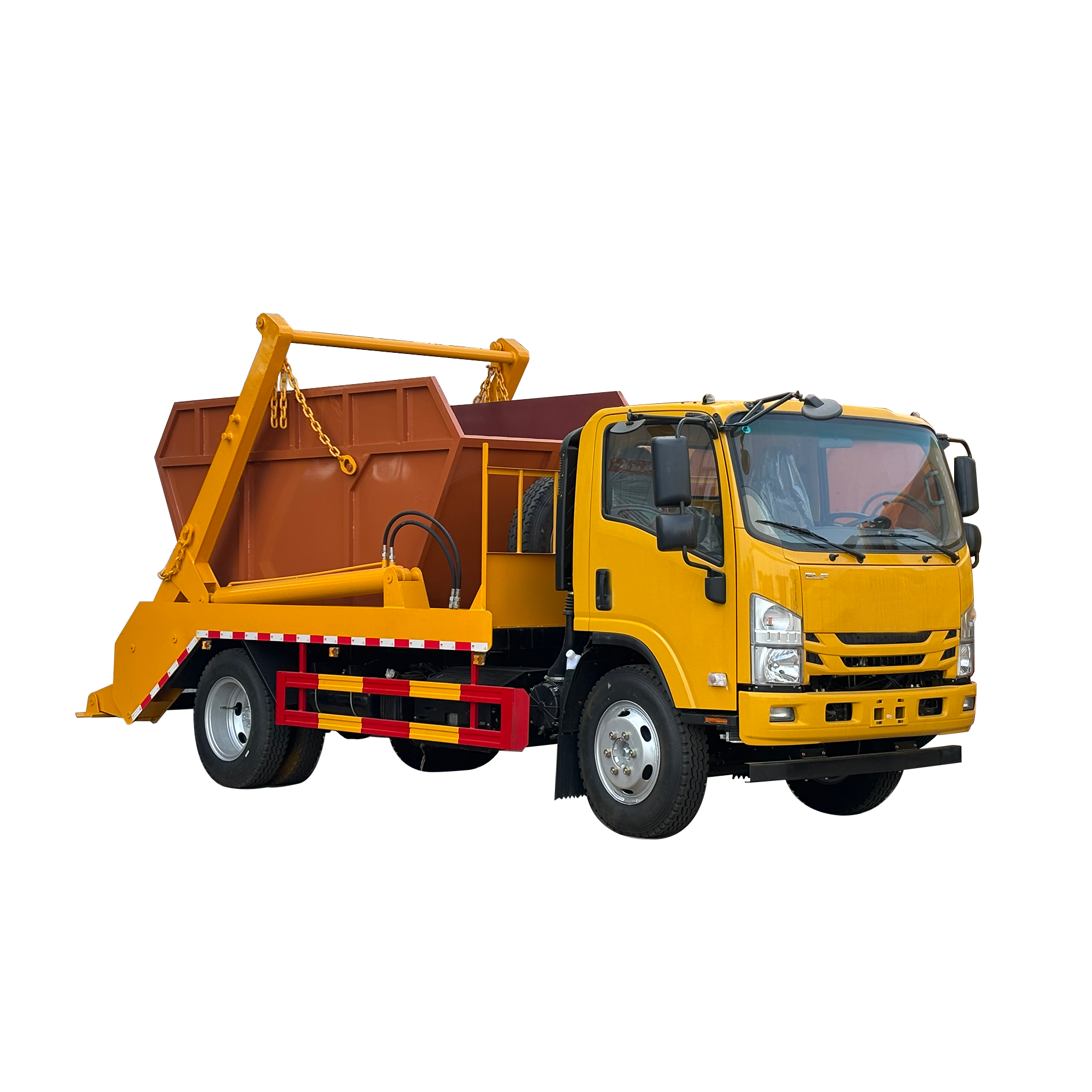
One reason you keep seeing Isuzu-based trucks in waste fleets worldwide is simple: reliability under pressure.
ISUZU chassis are widely used because they provide:
● Stable performance under heavy load conditions
● Strong fuel efficiency compared to many competitors
● Long service life in stop-and-go urban driving
● Easy access to global spare parts and service networks
In real procurement decisions, these factors often matter more than theoretical specifications.
Key Points You Should Consider
● Urban waste collection is increasingly space-restricted
● Equipment flexibility directly affects operational cost
● ISUZU-based platforms reduce long-term maintenance risk
● Fuel efficiency has become a critical procurement metric
● Standardization simplifies fleet expansion decisions
● Reliability impacts contract performance with municipalities
How a Rear Loader System Actually Works in Real Operation
When you look at a Waste Collection Truck Solutions system based on rear loading, the working logic is simple but highly efficient.
Workers load waste from the rear hopper, and a hydraulic compaction system compresses the material inside the body. This allows you to transport more waste per trip, reducing total route cycles.
It is not just mechanical—it is operational optimization in motion.
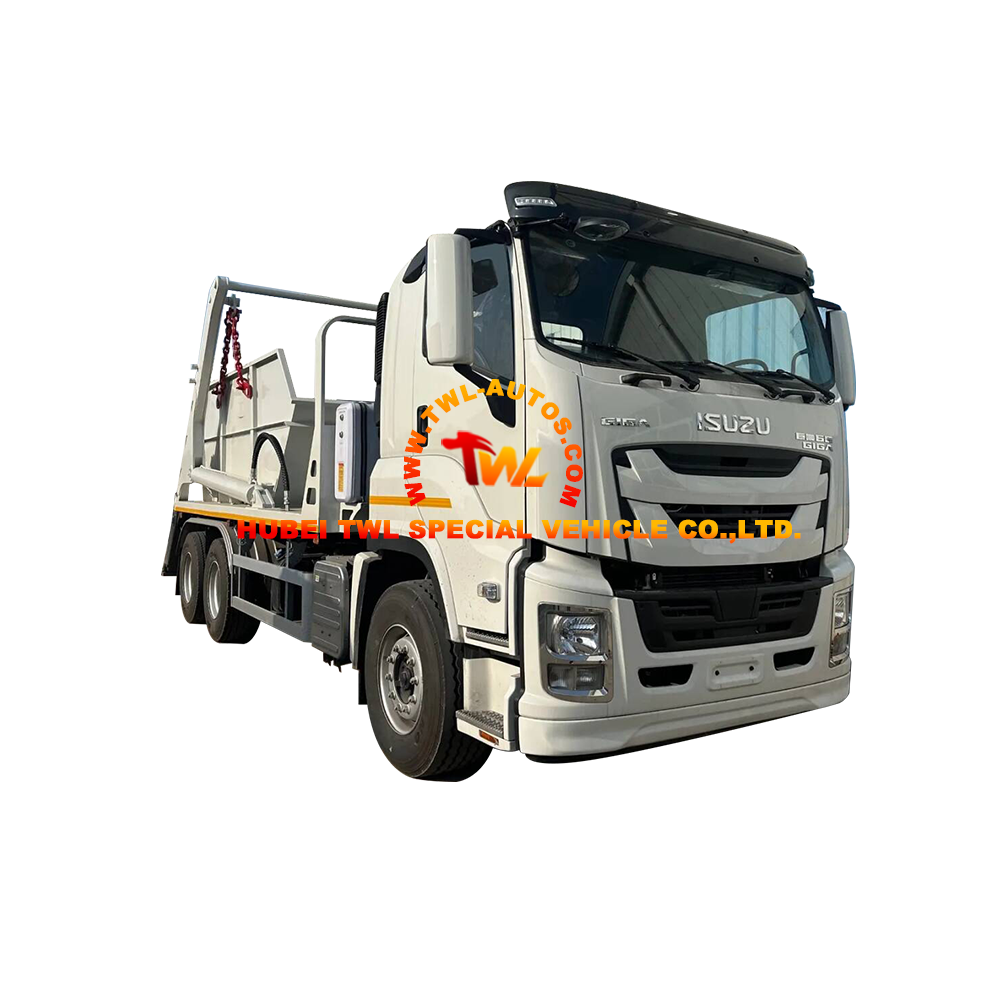
Isuzu Garbage Truck Advantages
Operational Advantages
● Reduced number of daily trips
● Higher load capacity per cycle
● Less fuel consumption per ton of waste
● Faster route completion time
● Lower mechanical stress on drivetrain
● Improved scheduling predictability
Key Performance Benefits
● Better maneuverability in tight urban layouts
● Reduced blockage during peak traffic hours
● Ability to operate in older city infrastructure zones
● Improved route coverage without redesigning infrastructure
● Lower risk of vehicle damage in constrained areas
● More consistent collection schedules
Cost and Operational Value for Procurement Planning
Why procurement teams focus on lifecycle cost, not purchase price.
If you are handling procurement, you already know the truth: the cheapest truck is rarely the cheapest option.
Instead, you care about:
● Maintenance cost over 5–10 years
● Fuel consumption per route
● Downtime frequency
● Spare parts availability
● Operator training requirements
And this is exactly where Waste Collection Truck Solutions built on ISUZU platforms become strategically valuable.
Example Cost Structure Comparison (Typical Municipal Fleet)
| Cost Factor | ISUZU Rear Loader | Standard Heavy Truck |
|---|---|---|
| Fuel Efficiency | Higher | Medium |
| Maintenance Frequency | Lower | Higher |
| Route Efficiency | Optimized | Less optimized |
| Spare Parts Access | Global | Limited in some regions |
| Service Downtime | Short | Longer |
This is not a theoretical comparison—it reflects how most procurement teams evaluate fleet renewal decisions.
Key Procurement Considerations
● Long-term maintenance cost matters more than upfront price
● Fuel efficiency directly affects municipal budget allocation
● Standard chassis improves fleet scalability
● Downtime risk impacts service contract performance
● Operator safety reduces insurance and liability costs
● Vehicle lifecycle defines ROI more than specs
FAQ
Can it operate in narrow streets?
Yes, it is specifically designed for compact urban environments with tight turning spaces.
What is a rear loader garbage truck?
It is a waste collection vehicle where loading happens from the rear with hydraulic compaction.
Is it suitable for commercial waste?
Yes, it can handle mixed residential and small commercial waste types.
What industries use these trucks?
Municipal sanitation, private waste contractors, and industrial park management.
Are ISUZU trucks fuel efficient?
Yes, they are widely recognized for lower fuel consumption in urban operations.
What maintenance level is required?
Generally lower compared to many heavy-duty truck platforms.
Can it be customized?
Yes, different body sizes and compaction systems can be configured.
What is the lifespan of these trucks?
Typically long-term, depending on maintenance and usage intensity.
Is operator training required?
Yes, but the system is relatively easy to learn.
Can it reduce operational cost?
Yes, through fuel savings and improved route efficiency.
What body capacity options exist?
Various capacities depending on municipal or commercial needs.
Is spare part availability global?
Yes, ISUZU networks support global maintenance.
Conclusion
If you are evaluating long-term waste collection solutions, Isuzu Garbage Truck platforms offer a balance that is hard to ignore—efficiency, durability, and adaptability in real urban conditions.
What makes them especially valuable is not just the hardware, but how they fit into modern operational systems where cost control, safety, and route efficiency matter more than ever.
For procurement planning, this is not just a vehicle decision—it is a lifecycle investment decision.