Introduction
When it comes to municipal waste management or industrial waste collection, choosing the right vehicle can make a huge difference in efficiency, cost, and reliability. Isuzu Garbage Truck models are renowned for their durability and performance, but you may wonder whether a Isuzu Rear Loader or another type of garbage truck is better suited for your needs. In this guide, we’ll walk you through the differences, design considerations, and practical applications so you can make an informed decision for your business.
Rear Loader Vs Garbage Truck
Definition
What Is A Garbage Truck?

A garbage truck, also known as a refuse collection vehicle, is specifically designed to pick up, transport, and deposit waste. These trucks are essential for maintaining urban cleanliness and are widely used in residential, commercial, and industrial settings. Depending on your operation, the type of garbage truck you choose will affect labor requirements, fuel efficiency, and waste handling capabilities.
What Is A Rear Loader Garbage Truck?
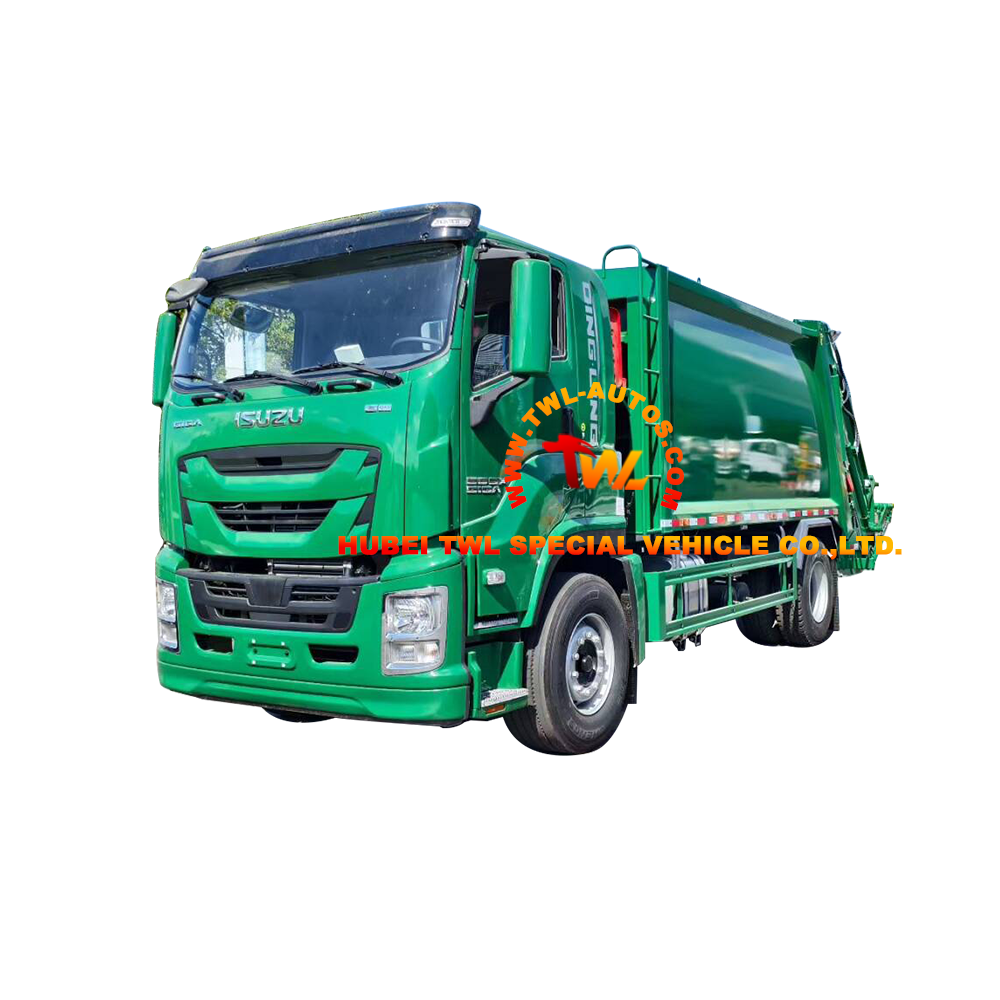
Rear Loader Garbage Truck is a type of garbage truck where waste is loaded from the rear of the vehicle. Its compact design allows it to navigate narrow streets easily, making it ideal for residential areas. Typically, rear loaders can be manually loaded or semi-automated, giving you flexibility depending on your operational requirements.
Structural Design
The structural design is a critical differentiator between standard garbage trucks and rear loaders. Rear loaders usually have a hopper at the rear, a lifting mechanism, and compacting equipment. Standard garbage trucks, like front loaders or side loaders, may feature hydraulic arms, automated lifts, and larger bodies.
| Feature | Rear Loader | Standard Garbage Truck |
|---|---|---|
| Loading Area | Rear only | Front, side, or rear |
| Compaction System | Hydraulic rear compactor | Hydraulic or pneumatic |
| Size | Compact, maneuverable | Larger, higher capacity |
| Accessibility | Narrow streets | Open lots, industrial areas |
| Automation Level | Manual or semi-automated | Fully automated options |
This table gives you a snapshot of how design influences functionality. Isuzu Rear Loader trucks are engineered for durability, safety, and adaptability to various waste collection tasks.
Loading Mechanism
One of the most significant differences lies in the loading mechanism. Rear loaders require manual or semi-automated loading, meaning workers must handle bags or bins at the rear hopper. This can be labor-intensive but offers flexibility for irregularly shaped waste.
On the other hand, other garbage trucks often use front or side automated arms to lift standardized bins directly into the truck. This mechanism is faster for high-volume, predictable waste collection routes and reduces physical strain on employees.
Efficiency & Labor Requirements
Efficiency is more than just speed—it’s about labor optimization, fuel usage, and route management. Rear Loader Garbage Trucks excel in residential areas with narrow roads, but they may require more manpower for loading. Standard garbage trucks, like front loaders, are faster for large industrial zones, reducing the need for additional personnel.
Some key points to consider:
● Rear loaders are versatile but labor-intensive.
● Standard garbage trucks reduce manual handling and improve route efficiency.
● Fuel consumption varies depending on the truck size and load frequency.
● Maintenance schedules differ; rear loaders have simpler hydraulics but frequent compactor use.
Application Scenarios
Choosing between a rear loader and a standard garbage truck depends on where and how you plan to use it:
● Residential Waste Collection: Narrow streets, small homes, and variable bin sizes favor rear loaders.
● Industrial Zones: High-volume, predictable waste collection benefits from front or side loaders.
● Smart Cities & Automation: Automated trucks are ideal for large-scale, modern waste management systems with standardized bins.
Case Study: A municipal client in Tokyo switched from standard garbage trucks to Isuzu Rear Loader trucks for certain districts. The result? Better maneuverability in tight streets and higher community satisfaction, even with slightly higher labor costs.
Cost & Maintenance
Cost considerations extend beyond the purchase price. Maintenance, spare parts availability, and operational efficiency all play a role.
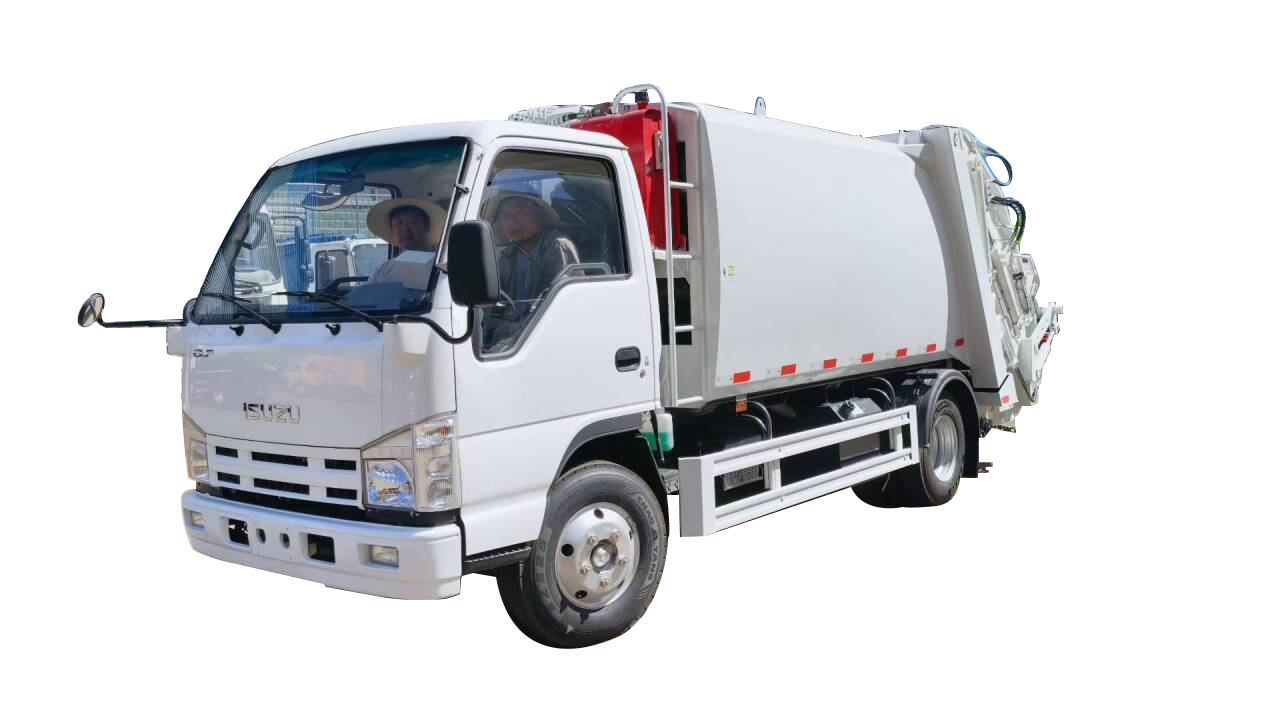
● Rear Loader Garbage Trucks: Generally lower upfront cost, simpler mechanical systems, moderate maintenance.
● Standard Garbage Trucks: Higher purchase price, more complex hydraulics, reduced labor costs in large-scale operations.
Tip: Opt for an Isuzu Garbage Truck from a reliable manufacturer like TWL Special Vehicle to ensure long-term durability, spare part availability, and excellent after-sales support.
Which Isuzu Model Is Better For Your Needs?
For Municipal Waste Collection
If your routes involve narrow residential streets with varied bin sizes, a Rear Loader is likely your best bet. Its compact size, flexible hopper, and semi-automated system provide efficiency where space is limited.
For Industrial & Commercial Use
Large industrial areas with predictable waste volumes benefit more from standard garbage trucks. Front or side loaders offer faster cycle times and reduce labor costs per route.
For Automated Smart Cities
Automation is key in modern urban environments. Trucks equipped with automated arms, sensors, and telematics offer the most efficient solution, integrating seamlessly into smart city operations.
Why Choose Twl Special Vehicle As Your Isuzu Truck Manufacturer?
When selecting an Isuzu Truck Manufacturer, reliability, service, and customization options matter. TWL Special Vehicle has extensive experience in designing, producing, and delivering high-performance garbage trucks tailored to your operational needs. Their vehicles are ISO-certified, durable, and backed by a dedicated support team—ensuring your fleet stays on the road longer with minimal downtime.
FAQ
Can Isuzu Trucks Be Customized?
Yes, TWL Special Vehicle offers full customization options for garbage trucks, including capacity, compactor type, and automation features.
What Is The Lifespan Of A Garbage Truck?
A well-maintained Isuzu garbage truck can last 10–15 years depending on usage, route conditions, and maintenance.
How Much Does An Isuzu Garbage Truck Cost?
Prices vary by model and customization. Rear loaders are typically more affordable than fully automated trucks, but exact quotes require consultation.
Is A Rear Loader Considered A Garbage Truck?
Absolutely. Rear loaders are a type of garbage truck designed for waste collection from the rear.
Is A Rear Loader Better For Residential Waste?
Yes, rear loaders excel in residential areas due to their maneuverability and flexible loading capacity.
Which Garbage Truck Is Best For Commercial Waste?
Front and side loaders are ideal for high-volume commercial waste collection.
Which Garbage Truck Has The Highest Automation Level?
Front and side loaders typically feature higher automation, including bin-lifting arms and telematics integration.
What Is The Difference Between Rear Loader And Front Loader?
Rear loaders load waste from the back manually or semi-automatically, while front loaders use hydraulic arms to lift bins from the front, offering faster, high-volume collection.
Which Garbage Truck Is Best For Residential Waste Collection?
Rear loaders are most efficient in residential areas with narrow roads and diverse bin sizes.
Are Rear Loaders More Cost-Effective Than Other Garbage Trucks?
They are cost-effective in terms of upfront investment and maintenance but may require more labor, affecting operational costs.
What Types Of Garbage Trucks Are Available Besides Rear Loaders?
Besides rear loaders, garbage trucks come in several types: front loaders, side loaders, and roll-off trucks. Front loaders use hydraulic arms to lift large dumpsters from the front, ideal for commercial or industrial waste. Side loaders can be manual, semi-automated, or fully automated, collecting waste from the side for efficiency on streets with limited space. Roll-off trucks carry large open containers and are mainly used for construction or bulky waste collection. Each type is designed to meet different operational needs.
What Is The Difference Between A Rear Loader And A Garbage Truck?
A rear loader is a specific type of garbage truck where waste is loaded from the rear, either manually or semi-automatically. In contrast, the term “garbage truck” is general and refers to all vehicles used for waste collection, including front loaders, side loaders, and roll-off trucks. So, all rear loaders are garbage trucks, but not all garbage trucks are rear loaders.
Conclusion
Choosing between a Rear Loader and a standard garbage truck depends on your specific needs—residential efficiency, industrial volume, or smart city automation. By selecting Isuzu Garbage Truck models from TWL Special Vehicle, you gain access to durable, reliable, and customizable trucks designed to optimize your waste management operations. Explore your options today and invest in a solution that ensures cleaner, more efficient waste collection for years to come.