Introduction
Selecting the right vacuum truck is not just a purchasing decision—it directly affects operational efficiency, maintenance cost, and long-term profitability. Whether you are in waste management, oil and gas, municipal sanitation, or industrial cleaning, the right equipment determines how effectively your business handles liquid waste, sludge, and hazardous materials.
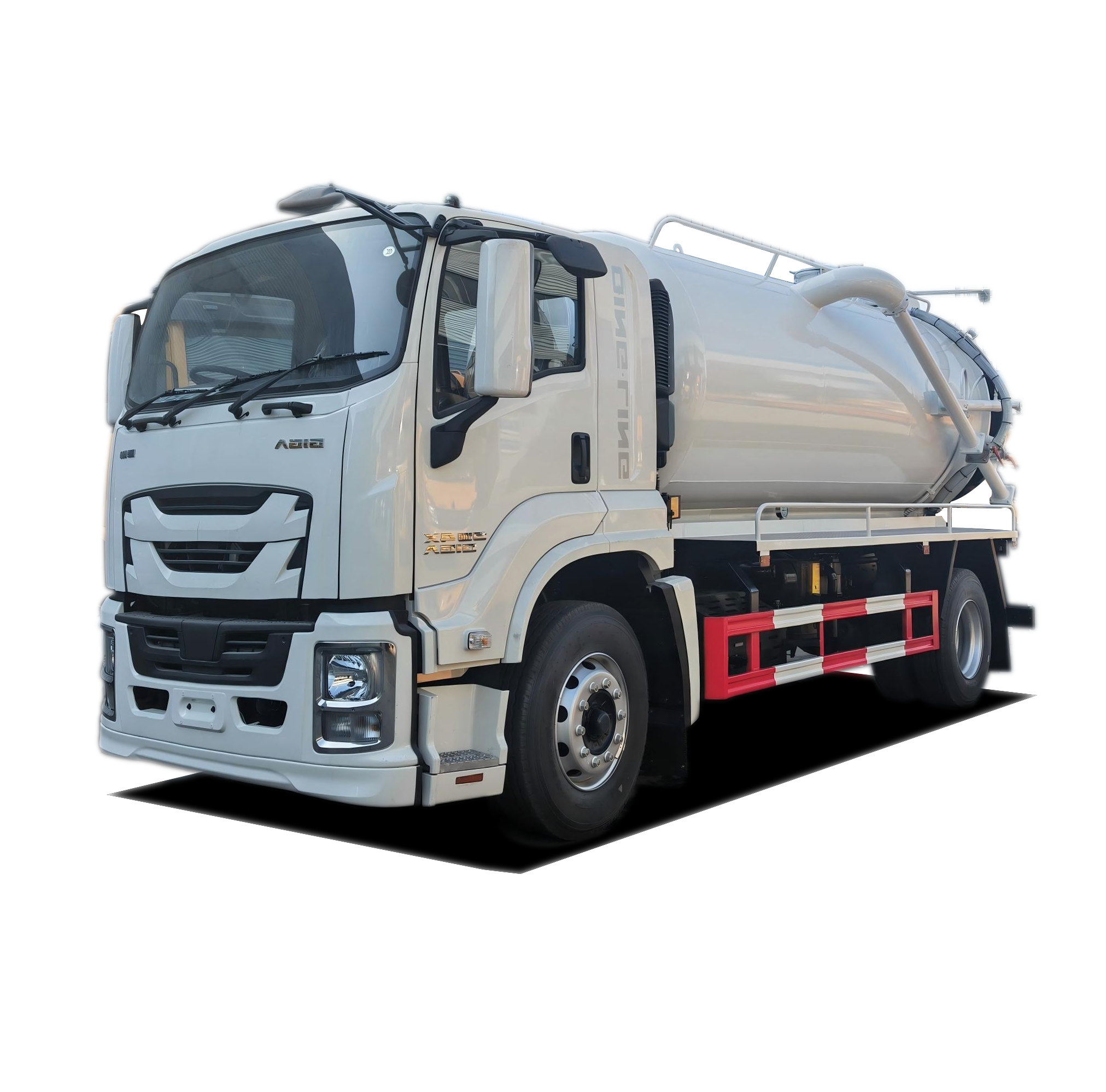
Among the most widely adopted solutions globally is the Isuzu vacuum truck, known for its durability, fuel efficiency, and adaptability across multiple industries. However, choosing the right configuration requires careful evaluation of capacity, pump systems, chassis performance, and cost structure.
In this guide, we will break down how to choose the best option for your business, compare configurations, and understand the real-world cost factors behind an industrial vacuum truck purchase.
How To Choose The Best Isuzu Vacuum Truck For Your Business
Choosing the right truck requires matching technical specifications with operational requirements. A mismatch can lead to underperformance, higher maintenance costs, or inefficient waste collection cycles.
Understand Your Business Application Needs
The first step is defining what kind of waste or material you will handle.
Different applications require different configurations of an industrial vacuum truck:
● Municipal sewage and wastewater removal
● Industrial sludge and chemical waste handling
● Oil and gas spill cleanup
● Septic tank cleaning services
● Construction site dewatering
For example, municipal sanitation requires high-frequency operation with moderate suction power, while oil sludge handling requires stronger vacuum pumps and corrosion-resistant tanks.
Clearly identifying your use case ensures you select the correct system architecture.
Choose The Right Vacuum Truck Capacity And Tank Size
Tank capacity directly impacts productivity.
Common vacuum truck capacities include:
● Small: 3,000–5,000 liters
● Medium: 6,000–10,000 liters
● Large: 10,000–20,000+ liters
A larger tank reduces trips but increases fuel consumption and vehicle size requirements. A smaller tank is more maneuverable but less efficient for large-scale operations.
When evaluating an isuzu vacuum truck for sale, always balance:
● Daily workload volume
● Site accessibility
● Waste density (liquid vs sludge)
Select The Proper Vacuum Pump System
The vacuum pump is the heart of the system.
Common types include:
● Liquid ring vacuum pumps
● Rotary vane pumps
● Dry screw vacuum systems
Each system has different strengths:
● Liquid ring pumps: best for wet, corrosive environments
● Rotary vane pumps: balanced performance and cost
● Dry screw pumps: high efficiency, low contamination risk
For heavy-duty operations, industrial users typically prefer high-capacity rotary or liquid ring systems integrated into an industrial vacuum truck setup.
Evaluate Isuzu Chassis Performance And Durability
The Isuzu chassis is one of the key reasons buyers choose this platform.
Key evaluation factors:
● Engine power and torque
● Fuel efficiency under load
● Suspension strength for uneven terrain
● Transmission reliability
● After-sales service availability
A strong chassis ensures stable operation even under full tank load, especially in demanding environments like construction or mining sites.
Compare Different Vacuum Truck Configurations
Vacuum trucks are not one-size-fits-all. Configurations vary depending on application:
● Standard sewage vacuum truck
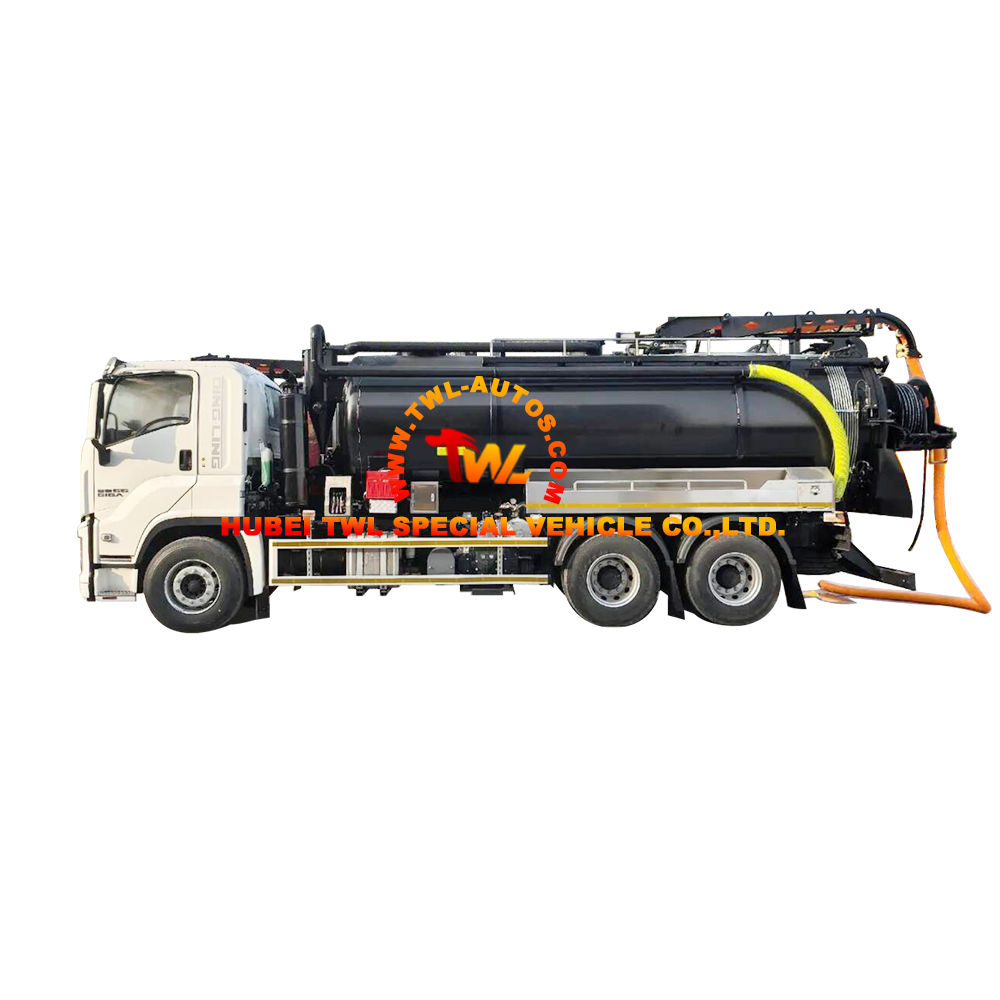
● High-pressure combination jetting truck
● Hazardous waste vacuum truck
● Industrial sludge vacuum unit
A combination jetting unit may be ideal for municipalities, while industrial plants often require specialized sealed tank systems.
When comparing models, ensure compatibility between:
● Pump system
● Tank material (carbon steel, stainless steel)
● Pressure rating
● Discharge mechanism
Analyze Isuzu Vacuum Truck Price And Budget Planning
The isuzu vacuum truck price depends on multiple variables:
● Tank capacity
● Pump type
● Chassis model
● Custom configurations
● Material specifications
Typical price drivers include:
● Stainless steel tanks increase cost significantly
● High-performance vacuum pumps add premium pricing
● Imported chassis components may increase total investment
Instead of focusing only on upfront cost, evaluate total cost of ownership:
● Fuel consumption
● Maintenance intervals
● Spare parts availability
● Operational lifespan
A well-optimized best vacuum truck is not necessarily the cheapest—it is the one that delivers the lowest lifecycle cost.
Choose Reliable Vacuum Truck Manufacturer Or Supplier
Supplier selection is critical for long-term success.
A reliable manufacturer should provide:
● Engineering customization support
● Quality certification (ISO, CE, etc.)
● Spare parts availability
● Technical training and documentation
● After-sales service network
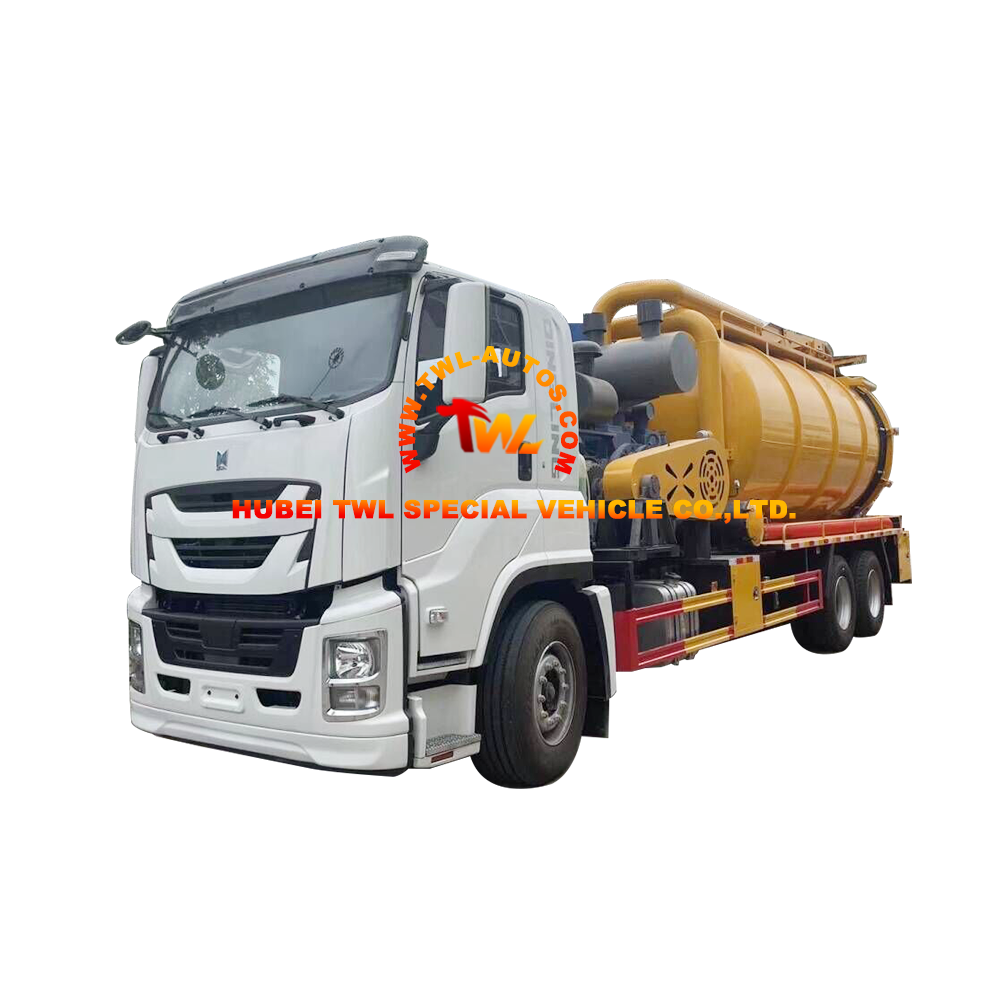
Companies like TWL, specializing in commercial vehicle manufacturing, focus on delivering customized vacuum solutions tailored to industry needs.
Always verify:
● Production capability
● Export experience
● Warranty terms
● Customer references
Isuzu Vacuum Truck Applications In Different Industries
The versatility of the vacuum truck for business makes it valuable across multiple sectors:
Municipal Sector
● Sewer cleaning
● Stormwater drainage maintenance
● Septic tank pumping
Industrial Sector
● Chemical waste removal
● Factory sludge cleaning
● Oil residue collection
Construction Sector
● Groundwater removal
● Mud and slurry extraction
● Site cleaning operations
Environmental Services
● Hazardous spill response
● Wastewater treatment support
● Environmental remediation projects
This wide applicability is why demand for industrial vacuum truck solutions continues to grow globally.
Isuzu Vacuum Truck Price Factors
Understanding pricing structure helps avoid overpaying or under-specifying.
Key factors influencing isuzu vacuum truck price:
● Engine horsepower and emission standards
● Tank volume and material type
● Vacuum pump technology level
● Hydraulic system integration
● Optional accessories (hose reels, jetting systems, remote controls)
Additional hidden cost factors:
● Import duties and logistics
● Maintenance training
● Spare parts inventory
● Local compliance modifications
Businesses should request a full quotation breakdown before purchasing an isuzu vacuum truck for sale.
FAQ
How Long Does A Vacuum Truck Last?
A well-maintained vacuum truck typically lasts 8–15 years depending on usage intensity and maintenance quality.
Is Isuzu Vacuum Truck Fuel Efficient?
Yes, Isuzu chassis are widely recognized for strong fuel efficiency, especially under load compared to many heavy-duty alternatives.
Can Vacuum Trucks Handle Industrial Sludge?
Yes, but you must select a high-torque vacuum pump and reinforced tank suitable for dense materials.
What Industries Use Industrial Vacuum Truck?
Industries include municipal sanitation, oil and gas, chemical processing, construction, and environmental services.
What Is The Capacity Of A Vacuum Truck Tank?
Capacities range from 3,000 liters to over 20,000 liters depending on configuration.
What Is The Maintenance Cost Of Vacuum Truck?
Maintenance varies but typically includes pump servicing, hydraulic checks, and tank inspection every 6–12 months.
Is It Better To Buy New Or Used Vacuum Truck?
New trucks offer warranty and customization, while used trucks reduce upfront cost but may have higher maintenance risk.
Which Isuzu Chassis Is Best For Vacuum Truck?
Medium to heavy-duty Isuzu chassis models are preferred depending on load and terrain conditions.
Are Chinese Vacuum Truck Manufacturers Reliable?
Many established manufacturers offer competitive quality with global certifications, but supplier verification is essential.
What Is The Difference Between Vacuum Truck And Sewer Truck?
A vacuum truck is a broader category for liquid suction, while a sewer truck is specifically designed for wastewater and sewage systems.
Conclusion
Choosing the right Isuzu vacuum truck requires balancing operational needs, technical specifications, and long-term cost considerations. From pump selection to chassis performance and tank capacity, every detail affects efficiency and profitability.
For businesses seeking a reliable vacuum truck for business, focusing on application-driven selection rather than price alone ensures better ROI and longer equipment lifespan.
Whether you are expanding municipal services or upgrading industrial cleaning capabilities, investing in the right best vacuum truck configuration will significantly improve operational performance and reduce long-term costs.