Introduction
Choosing between a gas and diesel truck isn’t just a technical decision—it directly impacts your operating cost, uptime, and long-term ROI. If you’re sourcing an Isuzu truck for your business, understanding the real differences between gas vs diesel Isuzu trucks will help you avoid costly mistakes and select the right asset from day one.
Gas Vs Diesel Isuzu Trucks: Which Is Better For Your Business In 2026?
Different definitions
Gasoline Isuzu Trucks
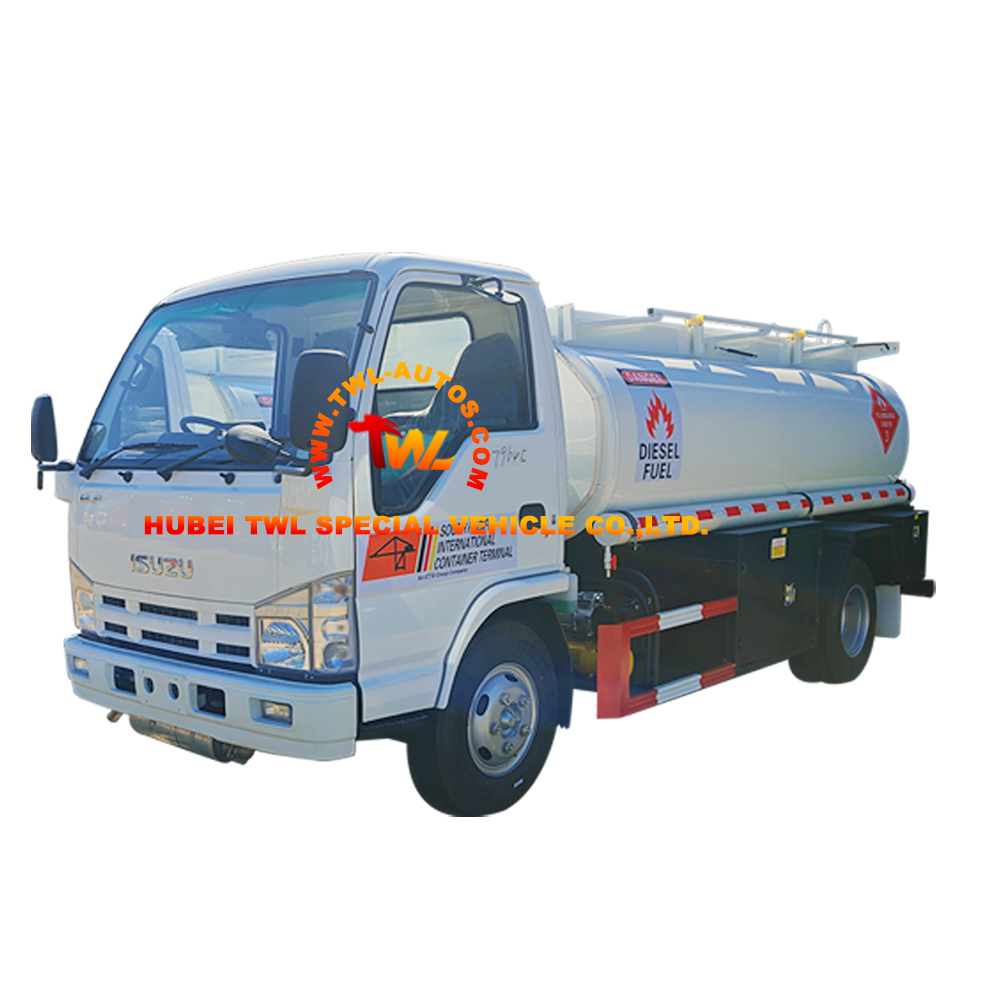
Gas-powered Isuzu trucks are widely used in urban logistics, retail delivery, and light-duty operations. They are typically equipped with V8 gasoline engines that prioritize simplicity and lower upfront cost.
Diesel Isuzu Trucks
Diesel Isuzu trucks are engineered for endurance, torque, and efficiency under heavy loads. They dominate in long-haul transport, construction, and high-mileage fleet operations.
When you compare Isuzu diesel trucks and gas variants, you’re essentially choosing between short-term savings and long-term efficiency.
Key points to understand:
● Gas trucks offer lower initial investment and easier servicing
● Diesel trucks deliver higher torque and better fuel economy
● Both options are available across N-Series models (NPR, NPR-HD, NRR)
● Application scenario matters more than engine type alone
● Your decision should align with your daily operational profile
Cost Difference Between Gas and Diesel Isuzu Trucks
Let’s be direct—diesel trucks cost more upfront. Typically, you’re looking at a $4,000–$6,000 price difference depending on configuration.
But here’s the nuance most buyers overlook…
Gas trucks feel cheaper at purchase, but that doesn’t always mean they’re cheaper long term.
Key considerations:
● Diesel engines include advanced emission systems (DEF, SCR), increasing cost
● Gas trucks reduce initial capital pressure—ideal for startups
● Diesel models hold higher resale value over time
● Financing costs increase with diesel but may be offset later
● Budget constraints often drive first-time buyer decisions
Fuel Economy and Operating Cost
Which Is More Fuel Efficient?This is where diesel starts to shine—especially if your trucks are on the road all day, every day.
Diesel engines are inherently more efficient due to higher compression ratios and energy density of fuel.
Key insights:
● Diesel trucks deliver better MPG under load
● Fuel savings become significant at high annual mileage
● Urban stop-and-go reduces diesel advantage slightly
● Highway driving strongly favors diesel efficiency
● Fuel price fluctuations affect both, but diesel often wins per mile
Example: A regional delivery company running 300 km daily routes reduced fuel cost by ~18% after switching to diesel units.
If your operation involves consistent long-distance travel, diesel isn’t just better—it’s strategically smarter.
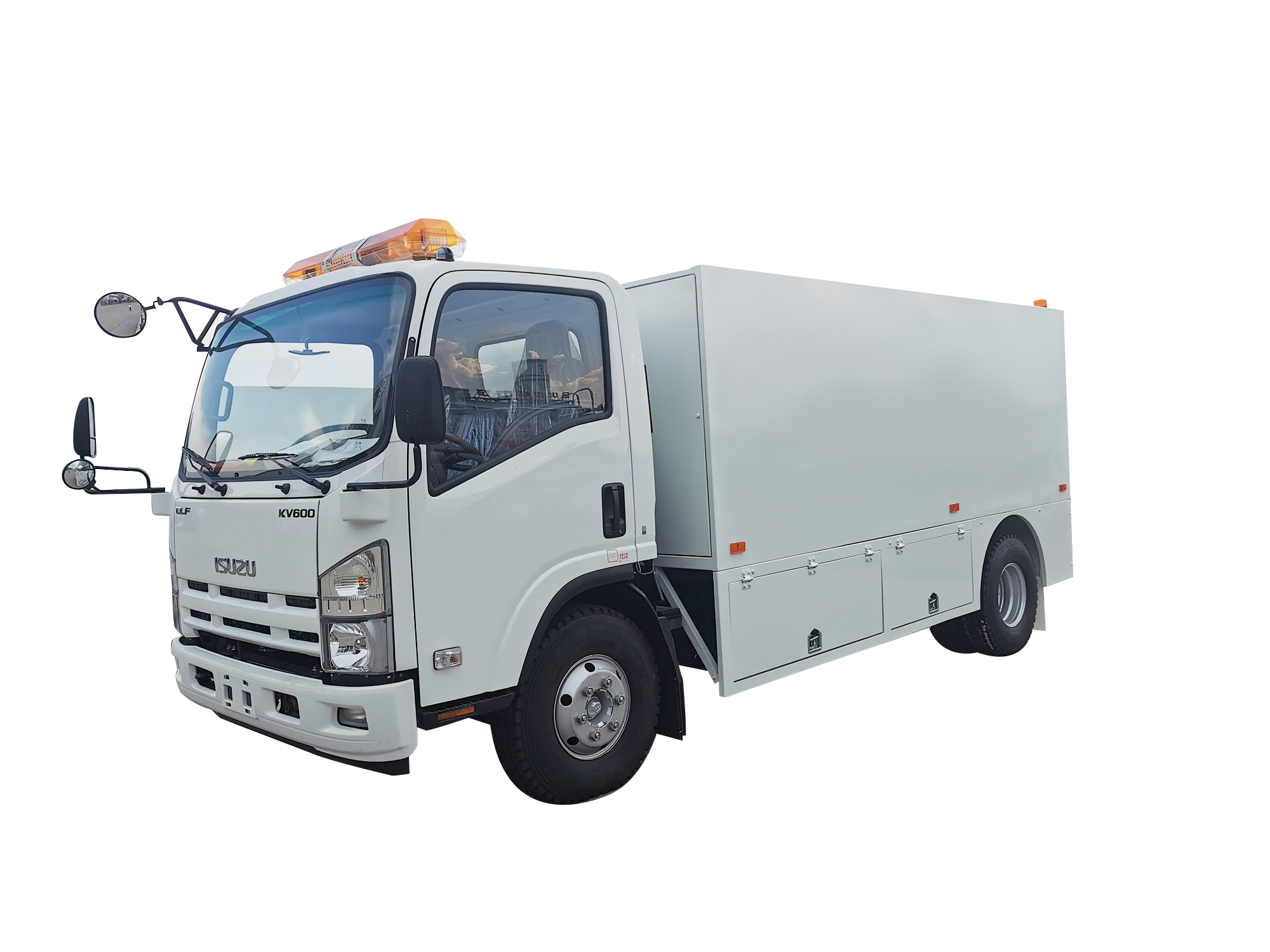
Maintenance, Reliability, and Uptime Maintenance Comparison
Gas trucks are simpler. Diesel trucks are tougher.
Key differences:
● Gas engines are cheaper and faster to repair
● Diesel engines require specialized technicians
● DEF systems add maintenance complexity
● Diesel engines last significantly longer under heavy loads
● Downtime costs can outweigh repair costs in B2B scenarios
● Here’s something many procurement managers learn the hard way:
● It’s not about repair cost—it’s about uptime.
Case insight: A construction contractor reported fewer breakdowns with diesel trucks over five years, despite higher maintenance costs.
Total Cost of Ownership (TCO) Analysis
TCO is the metric that separates smart purchasing from cheap purchasing.
Key factors in TCO:
● Purchase price difference
● Annual mileage
● Fuel cost per mile
● Maintenance and repair frequency
● Resale value
● In general:
Low mileage (<20,000 miles/year) → Gas wins
High mileage (>30,000 miles/year) → Diesel wins
Simple rule:
If your truck spends more time moving than parked, diesel pays off.
Gas vs Diesel Isuzu Trucks: Key Differences Comparison
| Factor | Gas Isuzu Truck | Diesel Isuzu Truck |
|---|---|---|
| Purchase Cost | Lower upfront cost | Higher initial price |
| Fuel Efficiency | Moderate | Higher, especially long-distance |
| Maintenance | Easier & cheaper | Higher cost, more complex |
| Engine Lifespan | Shorter | Longer under heavy use |
| Torque | Lower | Stronger low-end torque |
| Best Application | City delivery | Highway & heavy-duty work |
This table gives you a quick snapshot—but the real decision lies in how your business operates daily.
Choosing The Right Isuzu Truck For Your Business
Let’s translate everything into practical decisions.
Urban Delivery & City Logistics
Gas trucks are often the better fit.
Why:
● Frequent stops and idling
● Lower upfront investment
● Easier servicing in urban areas
● No DEF system complications
● Faster ROI for short routes
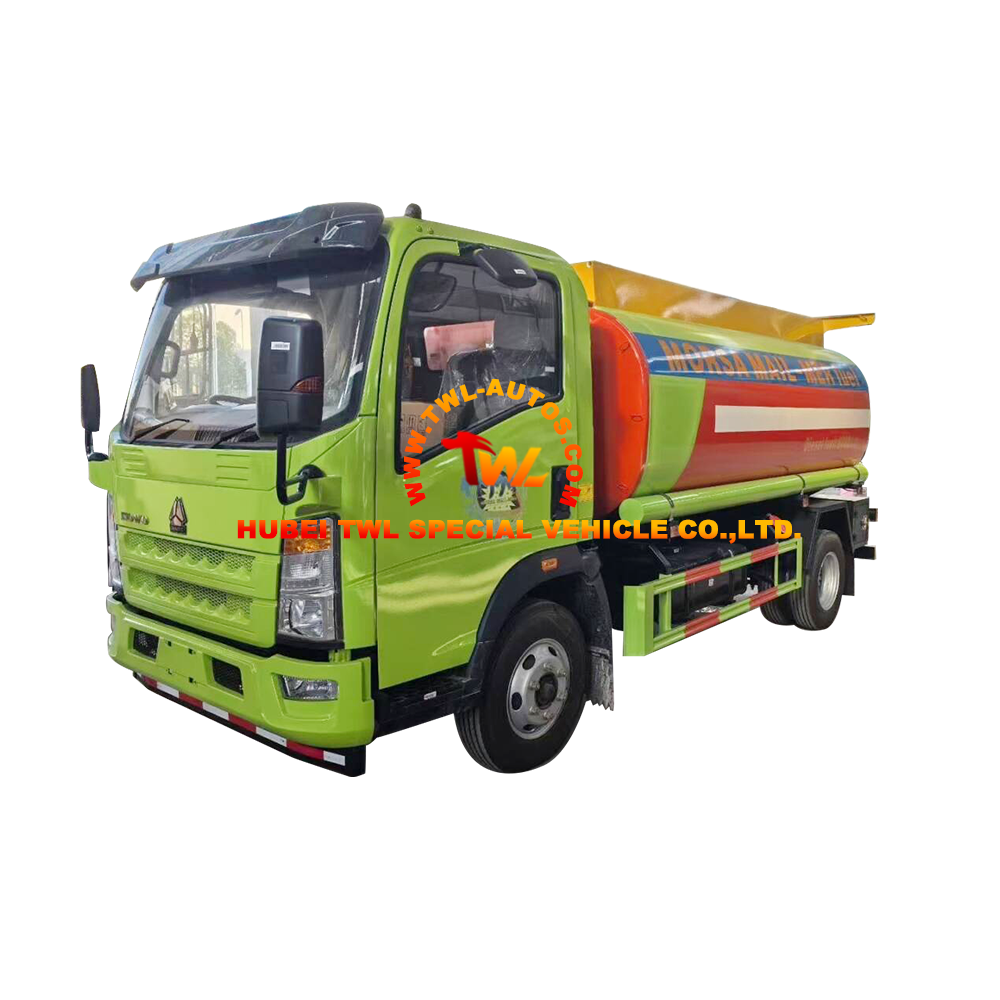
Long-Distance Transport & Logistics
Diesel trucks dominate.
Why:
● Better fuel efficiency on highways
● Strong torque for heavy loads
● Longer engine life
● Reduced cost per mile
● Higher reliability under stress
Construction & Heavy-Duty Operations
Diesel is the clear winner.
Why:
● Superior towing capacity
● Better performance under load
● Durable engine design
● Handles harsh conditions better
● Lower long-term replacement frequency
Small Businesses & Startups
Gas trucks are often the safer entry point.
Why:
● Lower financial barrier
● Simpler maintenance network
● Less operational complexity
● Ideal for moderate workloads
● Faster deployment
Why Choose TWL As Your Isuzu Truck Manufacturer
When you’re sourcing trucks internationally, the manufacturer matters just as much as the engine.
TWL SPECIAL VEHICLE positions itself as more than a supplier—you’re getting a solution partner.
Key advantages:
● Factory-direct pricing with no middlemen
● Custom body solutions (box, refrigerated, flatbed, etc.)
● Flexible configurations based on your application
● Global export experience with compliance support
● Reliable after-sales service and spare parts supply
If you’re serious about optimizing your fleet, working with a manufacturer—not just a dealer—gives you a strategic edge.
FAQ
Which Isuzu truck is better for city delivery?
Gas trucks are usually better due to lower cost and simpler operation.
Are diesel Isuzu trucks more fuel efficient?
Yes, especially for long-distance and heavy-load applications.
Do diesel trucks last longer than gas trucks?
Yes, diesel engines generally have a longer lifespan under heavy use.
Which is better for towing: gas or diesel?
Diesel, due to higher torque.
What is better for small businesses?
Gas trucks are often more cost-effective initially.
Is fuel cheaper for diesel trucks?
Not always, but diesel engines use fuel more efficiently.
Can gas trucks handle heavy loads?
Yes, but diesel performs better under continuous heavy loads.
What is TCO in truck buying?
Total Cost of Ownership, including fuel, maintenance, and resale.
Are diesel trucks harder to repair?
Yes, they require specialized technicians.
Is it worth paying more for diesel?
Yes, if your mileage is high enough.
Can I customize Isuzu trucks from TWL?
Yes, customization is a core offering.
What industries use Isuzu trucks most?
Logistics, construction, retail delivery, and utilities.
How do I choose the right truck?
Analyze your mileage, load requirements, and operating environment.
Conclusion
There’s no universal answer to the gas vs diesel Isuzu trucks debate—and that’s exactly the point. Your decision should be driven by how your business actually operates, not just specs on paper. If you’re running short urban routes, gas trucks offer simplicity and cost savings. But if your operation demands long distances, heavy loads, and long-term efficiency, diesel becomes the smarter investment.
If you want to avoid guesswork and make a data-driven decision, now is the time to act. Contact TWL SPECIAL VEHICLE today to get a customized Isuzu truck solution tailored to your business—and start turning your fleet into a competitive advantage.