Introduction
Municipal sewer cleaning is a critical part of urban infrastructure maintenance.
Cities and contractors need reliable equipment that can remove sludge, wastewater, debris, and accumulated materials from underground sewer systems efficiently.
Choosing the right sewer cleaning vehicle directly affects operation efficiency, maintenance costs, and long-term fleet performance.
An Isuzu Vacuum Truck has become a popular solution for municipal sewer cleaning projects because it combines a durable truck chassis, strong engine performance, efficient fuel consumption, and flexible customization options.
For municipalities managing daily sanitation operations, a dependable vacuum truck can help reduce downtime and improve cleaning productivity.
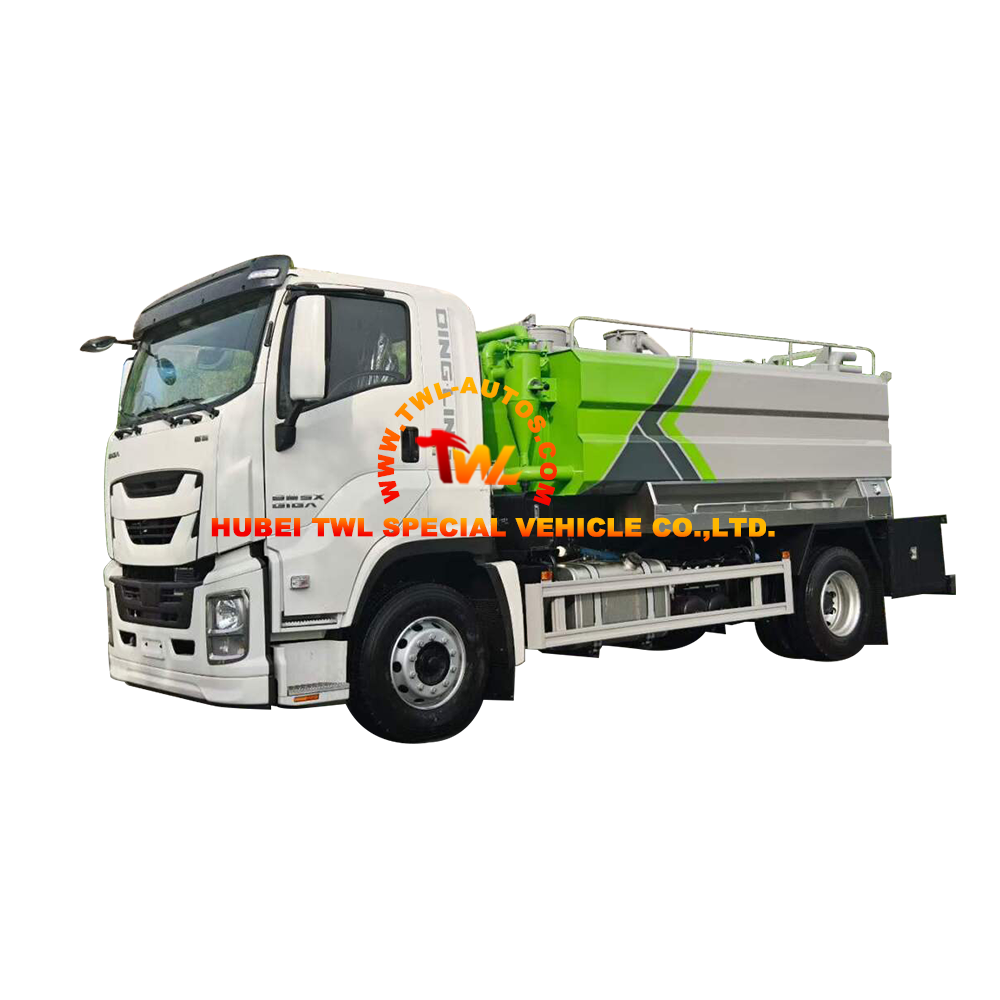
As an experienced Isuzu Vacuum Truck Manufacturer, TWL provides heavy-duty vacuum truck solutions designed for different municipal and industrial cleaning requirements.
From compact urban sewer maintenance to large-scale wastewater projects, Isuzu-based vacuum trucks can be configured with different tank capacities, vacuum pumps, and cleaning systems.
Need a customized Isuzu Vacuum Truck for municipal sewer cleaning?
TWL provides OEM vacuum truck solutions with flexible tank capacities, vacuum systems, and municipal application configurations.
Why Choose Isuzu Vacuum Truck For Municipal Sewer Cleaning?
Municipal sewer cleaning requires vehicles that can operate continuously under demanding conditions.
Unlike ordinary transportation trucks, vacuum trucks must handle heavy loads, frequent stopping and starting, harsh working environments, and intensive suction operations.
The reason many municipalities and contractors choose an Isuzu Vacuum Truck is its balance between reliability, efficiency, and customization capability.
The Isuzu platform provides a strong foundation for building professional sewer cleaning vehicles, while the vacuum equipment can be adapted according to project requirements.
2.1 Isuzu Chassis Durability And Fuel Efficiency
The chassis is one of the most important factors when selecting a municipal sewer cleaning truck because it determines the vehicle’s durability and operating reliability.
Isuzu truck chassis are known for their robust construction, excellent maneuverability, and efficient fuel performance.
For municipal applications, vacuum trucks often need to travel between multiple cleaning locations every day.
A fuel-efficient chassis can significantly reduce operating expenses over the vehicle’s service life.
Compared with oversized trucks that may increase fuel consumption and maintenance costs, an Isuzu-based vacuum truck offers a practical balance between payload capacity and operating economy.
Key chassis advantages include:
● Reliable performance for daily municipal operations
● Strong frame structure for heavy-duty equipment installation
● Good fuel efficiency for frequent urban transportation
● Flexible wheelbase options for different tank sizes
● Easier maintenance and spare parts availability
For cities and contractors looking for a long-term fleet investment, chassis reliability is a major reason to select an Isuzu vacuum truck.
2.2 Strong Engine Performance For Continuous Municipal Operations
Municipal sewer cleaning operations require powerful vehicles that can work continuously for extended periods.
The vacuum system, hydraulic components, and water jetting equipment all require stable power output during operation.
The engine performance of an Isuzu Vacuum Truck directly influences productivity.
A reliable engine allows operators to complete more cleaning tasks while reducing the risk of unexpected downtime.
For large municipal projects, a Heavy Duty Vacuum Truck with sufficient engine power is especially important because the vehicle may operate under heavy loads, including full vacuum tanks and additional cleaning equipment.
Important engine performance considerations include:
● High torque output for heavy-duty applications
● Stable operation during long working hours
● Lower fuel consumption during transportation
● Reliable performance in different working environments
When selecting a vacuum truck, municipalities should evaluate not only maximum power but also the overall matching between engine output, payload capacity, and cleaning equipment requirements.
2.3 Flexible Configurations For Different Sewer Cleaning Requirements
Different municipalities have different sewer cleaning challenges.
Small urban drainage systems, industrial wastewater pipelines, and large underground sewer networks may require different vehicle configurations.
One major advantage of choosing an Isuzu Vacuum Truck Manufacturer is the ability to customize the truck according to specific project needs.
Common configuration options include:
● Different vacuum tank capacities
● Various water tank sizes
● High-performance vacuum pumps
● High-pressure water jetting systems
● Hydraulic lifting and dumping systems
● Different chassis sizes for urban or heavy-duty applications
For example, a city department responsible for daily street sewer maintenance may prefer a medium-capacity vacuum truck with better maneuverability, while large wastewater treatment projects may require a larger heavy-duty configuration with stronger suction performance.
This flexibility makes Isuzu vacuum trucks suitable for a wide range of municipal cleaning applications.
Looking for an Isuzu Vacuum Truck For Sale?
TWL offers customized vacuum truck solutions for municipalities, contractors, and sanitation companies worldwide.
Key Specifications Of The Best Isuzu Vacuum Truck
Selecting the Best Isuzu Vacuum Truck requires evaluating several technical specifications.
Municipal buyers should consider cleaning requirements, operation frequency, sewer conditions, and project scale before choosing a configuration.
The following specifications are the most important factors when purchasing an Isuzu vacuum truck for municipal sewer cleaning.
3.1 Vacuum Tank Capacity Options
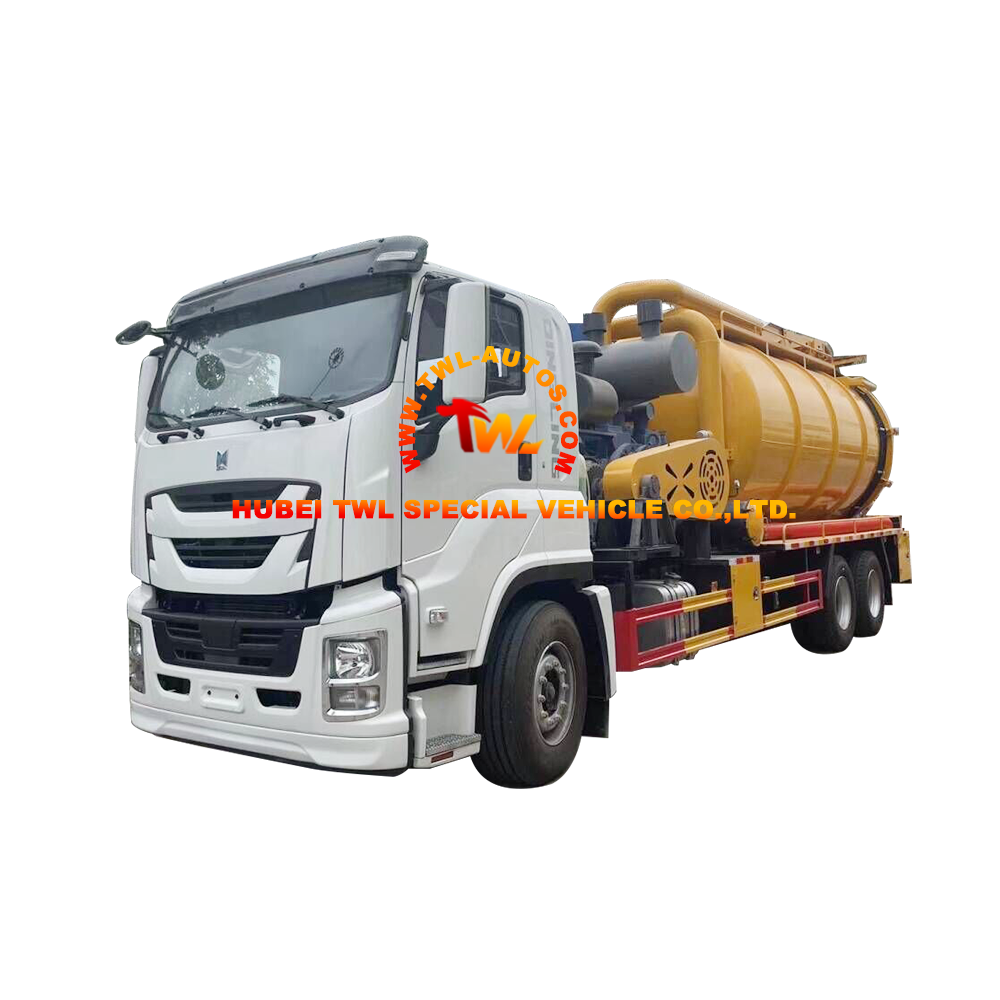
Vacuum tank capacity determines how much waste material the truck can collect before unloading.
A properly sized tank improves working efficiency because operators can complete more cleaning tasks without frequent discharge operations.
Common tank capacity options include:
● Small capacity tanks for narrow urban streets and routine cleaning
● Medium capacity tanks for general municipal sewer maintenance
● Large capacity tanks for industrial and large-scale wastewater projects
When choosing tank capacity, municipalities should balance cleaning requirements with vehicle size, road conditions, and transportation limitations.
3.2 Water Tank Capacity For Sewer Flushing
Many sewer cleaning operations require both suction and flushing functions.
The water tank provides high-pressure water flow to remove hardened deposits and improve cleaning efficiency.
A larger water tank allows longer continuous flushing operations, while smaller tanks may be suitable for shorter urban maintenance tasks.
3.3 Vacuum Pump Performance
The vacuum pump is the core component of any vacuum truck.
It determines suction power, cleaning speed, and the ability to handle different types of waste materials.
Important vacuum pump factors include:
● Suction capacity
● Operating pressure
● Continuous working capability
● Maintenance requirements
3.4 Suction Depth And Cleaning Distance
The suction depth and cleaning distance determine how effectively an Isuzu Vacuum Truck can handle different municipal sewer environments.
In many urban sewer systems, access points may be located far from the actual cleaning area, requiring strong suction performance and flexible operation capability.
When selecting a vacuum truck, municipal buyers should evaluate:
● Maximum suction depth required for sewer maintenance
● Distance between truck parking position and cleaning point
● Type and density of collected materials
● Frequency of daily cleaning operations
A properly configured vacuum system allows operators to complete sewer cleaning tasks more efficiently while reducing manual labor requirements.
3.5 Hydraulic System Configuration
The hydraulic system plays an important role in controlling vacuum truck functions, including tank lifting, rear door opening, and equipment operation.
For municipal applications, a reliable hydraulic system helps improve operational safety and reduces maintenance downtime.
Heavy-duty vacuum trucks typically require hydraulic components capable of handling frequent daily operations.
Important hydraulic system features include:
● Stable hydraulic pressure output
● Durable hydraulic cylinders
● Easy maintenance design
● Safe tank unloading operation
A well-designed hydraulic system improves the overall efficiency and service life of an Isuzu vacuum truck.
3.6 Engine Power And Payload Capacity
Engine power and payload capacity must be properly matched to ensure reliable performance.
An oversized vacuum tank without sufficient chassis capacity may reduce efficiency and increase vehicle stress.
Municipal buyers should consider:
● Total vacuum tank weight after filling
● Maximum payload capacity
● Road regulations and weight restrictions
● Daily transportation distance
Choosing the right balance between engine power, chassis capacity, and cleaning equipment ensures that the vehicle can operate efficiently throughout its service life.
Essential Features For Isuzu Vacuum Truck
A professional Isuzu Vacuum Truck for municipal sewer cleaning requires more than a reliable chassis.
The cleaning equipment configuration directly affects suction efficiency, maintenance productivity, and operator safety.
The following features are essential when selecting a vacuum truck for municipal applications.
4.1 High-Power Vacuum System
The vacuum system is the primary working component responsible for removing sewage, sludge, and debris from sewer pipelines.
A high-power vacuum system provides stronger suction performance, allowing the truck to handle different materials efficiently, including wastewater, mud, and accumulated sediment.
For municipalities managing large sewer networks, investing in a powerful vacuum system can reduce cleaning time and improve overall project efficiency.
4.2 High-Pressure Water Jetting System
Sewer cleaning often requires both suction and flushing operations.
The high-pressure water jetting system helps remove blockages, grease, and hardened deposits inside pipelines.
A combined vacuum and water jetting system allows one vehicle to perform multiple cleaning tasks, making it a cost-effective solution for municipal departments.
Benefits include:
● Improved sewer cleaning efficiency
● Reduced need for additional equipment
● Better pipeline maintenance results
● Suitable for different sewer conditions
4.3 Large-Capacity Vacuum Tank
A large-capacity vacuum tank increases operational efficiency by reducing unloading frequency.
For large municipal projects, a higher-capacity tank allows operators to complete more cleaning cycles before returning to disposal locations.
However, tank size should always match the chassis capacity and local transportation requirements.
4.4 Hydraulic Dumping And Safety System
Safety is a critical consideration for municipal sewer cleaning operations.
Hydraulic dumping systems allow operators to unload collected waste safely and efficiently.
Important safety features include:
● Hydraulic tank lifting mechanism
● Secure rear door locking system
● Emergency control functions
● Stable unloading operation
These features help improve operator safety and reduce maintenance risks during daily operations.
Need a Heavy Duty Vacuum Truck for municipal projects?
TWL specializes in manufacturing customized vacuum trucks designed for sewer cleaning, wastewater management, and industrial applications.
Isuzu Vacuum Truck Price And Operating Cost Factors
The price of an Isuzu Vacuum Truck depends on multiple factors, including chassis model, tank capacity, vacuum pump type, water tank configuration, and additional equipment.
Municipal buyers should evaluate the total cost of ownership instead of focusing only on the initial purchase price.
The main factors affecting Isuzu vacuum truck cost include:
● Truck chassis specification
● Vacuum tank capacity
● Vacuum pump brand and performance
● Water jetting system configuration
● Hydraulic equipment options
● Customization requirements
Operating costs should also be considered, including:
● Fuel consumption
● Routine maintenance
● Spare parts availability
● Equipment service life
● Operator efficiency
Working with a professional Isuzu Vacuum Truck Manufacturer helps buyers select the right configuration and avoid unnecessary costs caused by over-specification or unsuitable equipment selection.
FAQ
How Much Does An Isuzu Vacuum Truck Cost?
The price of an Isuzu Vacuum Truck varies depending on chassis type, tank capacity, vacuum system specifications, and customization requirements.
A standard municipal vacuum truck may have a different cost compared with a heavy-duty configuration designed for large sewer projects.
For accurate pricing, buyers should provide application details, required capacity, and working conditions to the manufacturer.
Where Can I Buy An Isuzu Vacuum Truck For Sale?
Municipal departments and contractors can purchase Isuzu Vacuum Trucks from professional special vehicle manufacturers and OEM suppliers.
When choosing a supplier, consider manufacturing experience, customization capability, after-sales support, and export experience.
What Size Isuzu Vacuum Truck Does A City Need?
The suitable truck size depends on sewer network scale, cleaning frequency, road conditions, and daily workload.
Small cities may choose compact configurations for urban maintenance, while large municipalities often require heavy-duty vacuum trucks with larger tanks and stronger suction systems.
How To Choose A Reliable Isuzu Vacuum Truck Manufacturer?
A reliable manufacturer should provide:
- Professional vacuum truck design experience
- OEM customization capability
- Quality control during manufacturing
- Technical support and after-sales service
- Experience supplying international customers
Choosing an experienced manufacturer helps ensure the vehicle matches the actual municipal cleaning requirements.
Is Heavy Duty Vacuum Truck Suitable For Large Municipal Projects?
Yes. A Heavy Duty Vacuum Truck is suitable for large municipal sewer cleaning projects because it provides higher capacity, stronger suction performance, and longer continuous working capability.
However, the configuration should still match project requirements to avoid unnecessary operating costs.
What Is The Difference Between A Vacuum Truck And A Sewer Cleaning Truck?
A vacuum truck mainly focuses on suction and waste removal, while a sewer cleaning truck usually combines vacuum suction with high-pressure water jetting functions.
Many modern municipal cleaning vehicles integrate both systems, allowing one truck to perform suction, flushing, and pipeline maintenance operations.
Conclusion
Choosing the right sewer cleaning vehicle is essential for efficient municipal infrastructure maintenance.
An Isuzu Vacuum Truck provides a reliable solution by combining durable chassis performance, powerful engines, flexible configurations, and professional cleaning equipment.
For municipalities and contractors, the best vacuum truck is not only determined by purchase price but also by long-term reliability, operating efficiency, maintenance requirements, and application suitability.
As an experienced Isuzu Vacuum Truck Manufacturer, TWL provides customized vacuum truck solutions for different municipal sewer cleaning requirements.
From tank capacity selection to vacuum system configuration, TWL helps customers build vehicles that match their operational needs.
Looking for an Isuzu Vacuum Truck Manufacturer?
TWL provides OEM heavy-duty vacuum truck solutions for municipal sewer cleaning and industrial applications worldwide.