Introduction
A flatbed tow truck is one of the most widely used recovery and transport solutions in the towing industry due to its safety, versatility, and ability to fully load vehicles onto a horizontal platform. For fleet operators, logistics companies, and towing service providers, understanding tow truck capacity is not just a technical detail—it directly impacts operational safety, efficiency, and return on investment.
Choosing the wrong configuration can lead to underperformance, excessive wear, or even structural failure. On the other hand, selecting a properly engineered medium duty tow truck or heavy duty tow truck ensures stable operation across different recovery scenarios.
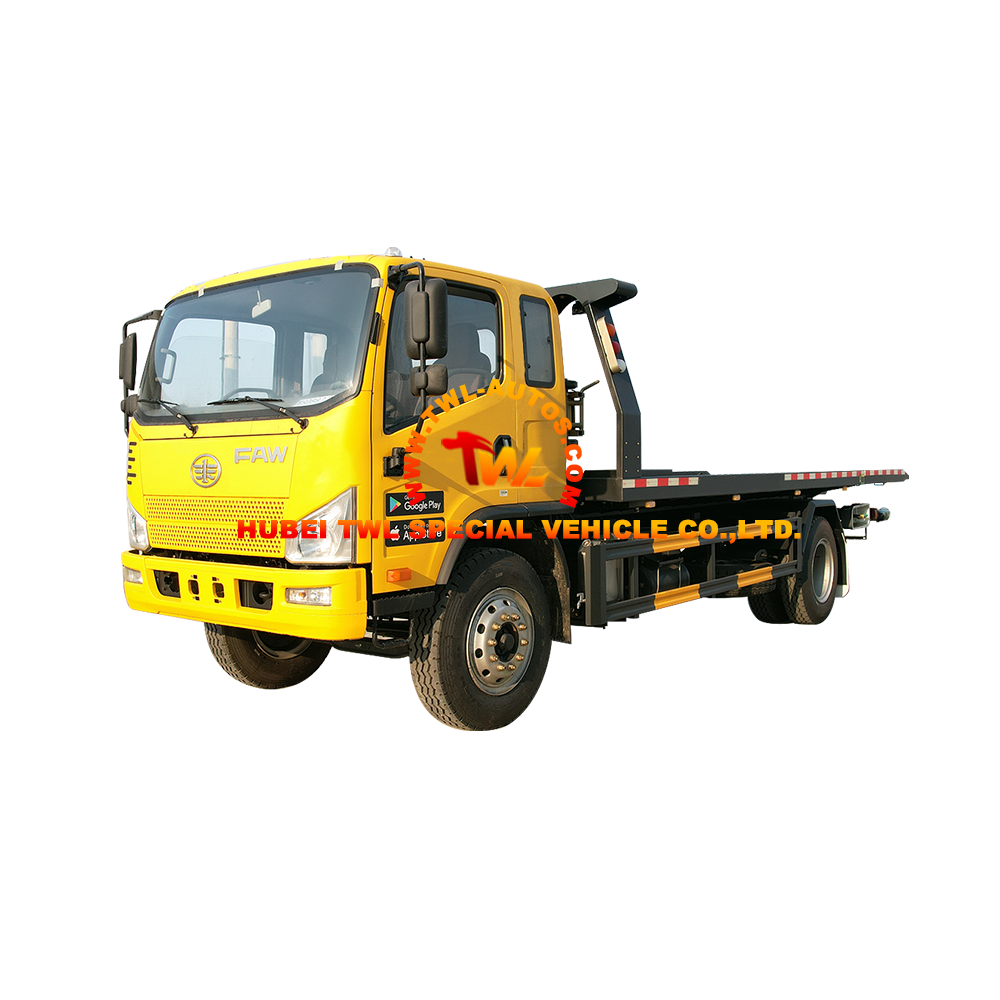
This guide explains what actually determines flatbed towing performance, how different truck classes compare, and how to select the right solution from a professional tow truck manufacturer perspective.
What Determines Flatbed Tow Truck Towing Capacity?
The flatbed tow truck towing capacity is not defined by a single parameter. Instead, it is the result of multiple mechanical, hydraulic, and structural systems working together. Each subsystem contributes to the overall tow truck capacity, and any weak link can reduce performance or safety margins.
Chassis Strength & Vehicle Structure
The chassis is the foundation of every towing system. A reinforced ladder-frame chassis or heavy-duty truck frame determines how much load the vehicle can safely carry.
● Higher-grade steel improves load resistance
● Reinforced cross members reduce torsional stress
● Heavy-duty chassis are essential for heavy duty tow truck applications
A weak chassis will limit towing capability regardless of engine or winch power.
Engine Power & Torque
Engine output directly affects the towing performance, especially during acceleration, uphill transport, or loaded recovery operations.
● High torque diesel engines are standard for modern towing fleets
● Torque is more important than horsepower for towing stability
● Low-RPM torque improves fuel efficiency under load
A properly matched engine ensures consistent pulling force without overheating or strain.
Hydraulic System Performance
The hydraulic system controls the flatbed lifting, tilting, and sliding operations. It is a critical factor in real-world towing efficiency.
Key elements include:
● Hydraulic pump capacity
● Cylinder strength and stroke length
● Flow rate stability
A high-quality hydraulic system ensures smooth loading/unloading, reducing risk of vehicle damage and increasing operational speed.
Winch System Capacity
The winch is responsible for pulling non-operational or damaged vehicles onto the flatbed.
● Electric or hydraulic winches are commonly used
● Rated pulling capacity must exceed expected load weight
● Multi-speed winches improve control during recovery
For a professional tow truck manufacturer, winch selection is critical for safety certification and market compliance.
Tire & Axle Load Distribution
Even if a truck has strong engine and chassis systems, poor load distribution can compromise safety.
● Dual rear axles improve stability under heavy loads
● Wide-base tires increase road contact area
● Proper axle alignment reduces uneven wear
This is especially important for medium duty tow truck and long-distance transport operations.
Flatbed Material & Bed Design
The flatbed itself plays a major role in total load capacity.
● High-strength steel beds offer maximum durability
● Aluminum beds reduce vehicle weight and improve fuel efficiency
● Anti-slip surface ensures vehicle stability during transport
Bed angle and tilt mechanism design also affect how easily vehicles can be loaded in tight environments.
Types Of Tow Trucks By Capacity
Tow trucks are generally divided into three categories based on load capability and operational use cases.
Light Duty Tow Trucks
Light-duty units are typically used for passenger cars, motorcycles, and small SUVs.
● Lower operating cost
● Faster response time
● Limited towing range
They are commonly used in roadside assistance and urban towing services.
Medium Duty Tow Trucks
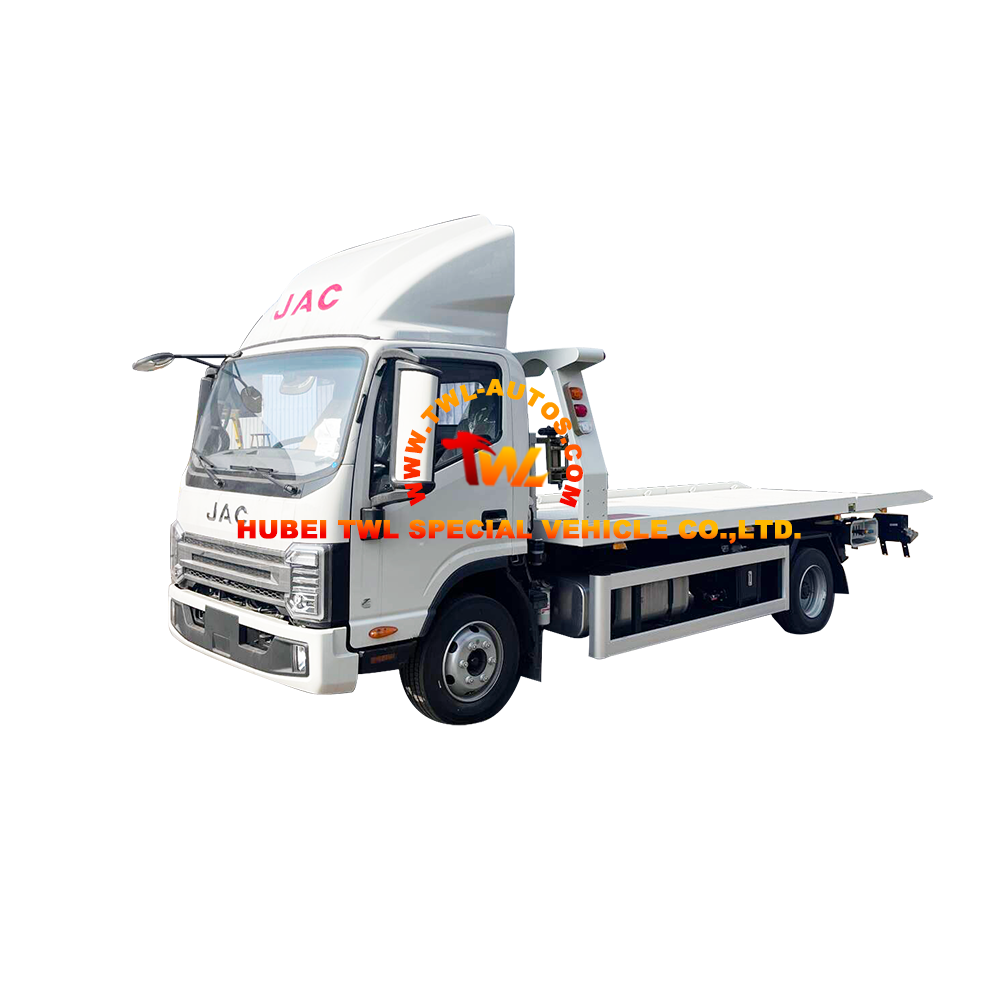
A medium duty tow truck is the most common configuration for flatbed systems.
● Balanced performance and cost
● Suitable for SUVs, vans, and light trucks
● Widely used in commercial fleets and recovery services
This category represents the core market for most flatbed tow truck for sale inquiries.
Heavy Duty Tow Trucks
A heavy duty tow truck is designed for extreme recovery tasks.
● Tractor-trailer recovery
● Construction machinery transport
● High-capacity winch systems
These trucks require reinforced chassis, advanced hydraulics, and high-output engines to handle extreme loads safely.
Why Flatbed Tow Trucks Are The Most Versatile Choice
Among all towing configurations, the flatbed tow truck is widely regarded as the most versatile option due to its full-vehicle loading design.
Key advantages include:
● Entire vehicle lifted off the ground (no tire wear during transport)
● Reduced risk of transmission or drivetrain damage
● Suitable for electric vehicles and luxury cars
● Higher safety during accident recovery
● Lower liability for towing operators
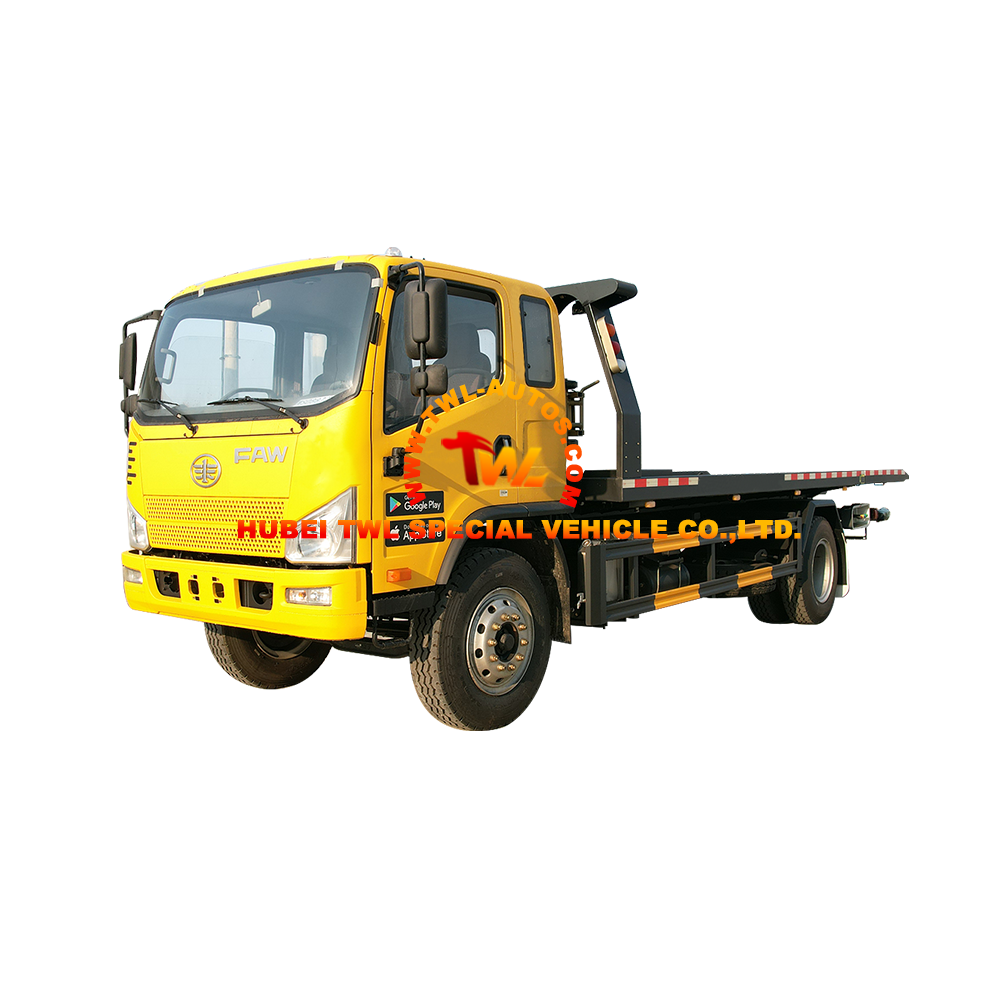
Compared with hook-and-chain systems, flatbeds provide significantly better protection for modern vehicles, making them the preferred choice in professional fleets.
How To Choose Right Flatbed Tow Truck For Your Business
Selecting the right towing vehicle requires balancing operational needs, budget, and long-term maintenance costs.
Define Your Towing Load Type
Identify the primary vehicles you will handle:
● Passenger cars
● SUVs and vans
● Light commercial trucks
● Accident recovery units
Match Capacity With Operational Needs
Avoid over-specification or under-specification:
● Too small → overload risk
● Too large → unnecessary fuel and purchase cost
Consider Hydraulic Flatbed System Quality
Hydraulic system performance affects:
● Loading speed
● Safety stability
● Maintenance frequency
High-quality systems reduce downtime and improve ROI.
Check Manufacturer Standards
A reliable tow truck manufacturer should provide:
● Structural testing reports
● Welding quality assurance
● Compliance certifications
● Export-ready configurations
Cost Vs Performance Balance
When evaluating tow truck price, consider:
● Initial purchase cost
● Maintenance cost
● Fuel efficiency
● Service lifespan
A lower upfront price may result in higher long-term operational cost.
FAQ
How Long Does A Flatbed Tow Truck Last?
A well-maintained flatbed tow truck can typically last 8–15 years depending on usage intensity and maintenance quality.
What Vehicles Can A Flatbed Tow Truck Tow?
It can tow passenger cars, SUVs, light trucks, motorcycles, and even some EVs without drivetrain damage.
Can Flatbed Tow Trucks Tow Heavy Trucks?
Standard flatbeds are not designed for full-size heavy trucks unless specially reinforced heavy-duty configurations are used.
How Much Weight Can A Flatbed Tow Truck Carry?
Capacity varies, but most flatbed systems range from light-duty units to configurations exceeding 10–15 tons depending on chassis and hydraulic system.
Is A Flatbed Tow Truck Better Than A Wheel Lift Truck?
Yes for vehicle safety and versatility, as flatbeds fully lift vehicles off the ground, reducing mechanical risk.
What Is The Difference Between Light And Medium Duty Tow Trucks?
Light-duty trucks handle smaller vehicles and lower loads, while medium-duty units support heavier passenger vehicles and commercial applications.
Conclusion
The towing capacity of a flatbed tow truck is determined by a combination of chassis strength, engine torque, hydraulic system design, winch performance, axle configuration, and bed structure. Understanding these factors helps operators select the right configuration for their business needs.
Whether you are comparing a flatbed tow truck for sale, evaluating tow truck price, or sourcing from a professional tow truck manufacturer, the key is to align technical capability with real-world operational demand.
For fleet operators and towing businesses, investing in the right medium duty tow truck or heavy duty tow truck configuration is not just a purchase decision—it is a long-term operational strategy that directly affects safety, efficiency, and profitability.