Introduction
Garbage collection vehicles play a critical role in urban sanitation and environmental management.
This comprehensive guide explains the key features, application areas, operation methods, and maintenance practices of Isuzu garbage trucks, helping fleet operators, municipalities, and private contractors make informed decisions.
Isuzu Garbage Truck Comprehensive Guide
Features
Isuzu garbage trucks are designed with reliability and efficiency in mind. Key features include:
Reliable Isuzu Diesel Engines
Known for long service life, stable torque output, and excellent fuel economy, suitable for frequent stop-and-go operations.
Multiple Body Configurations
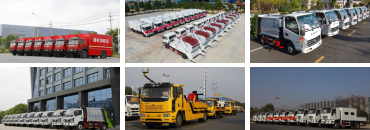
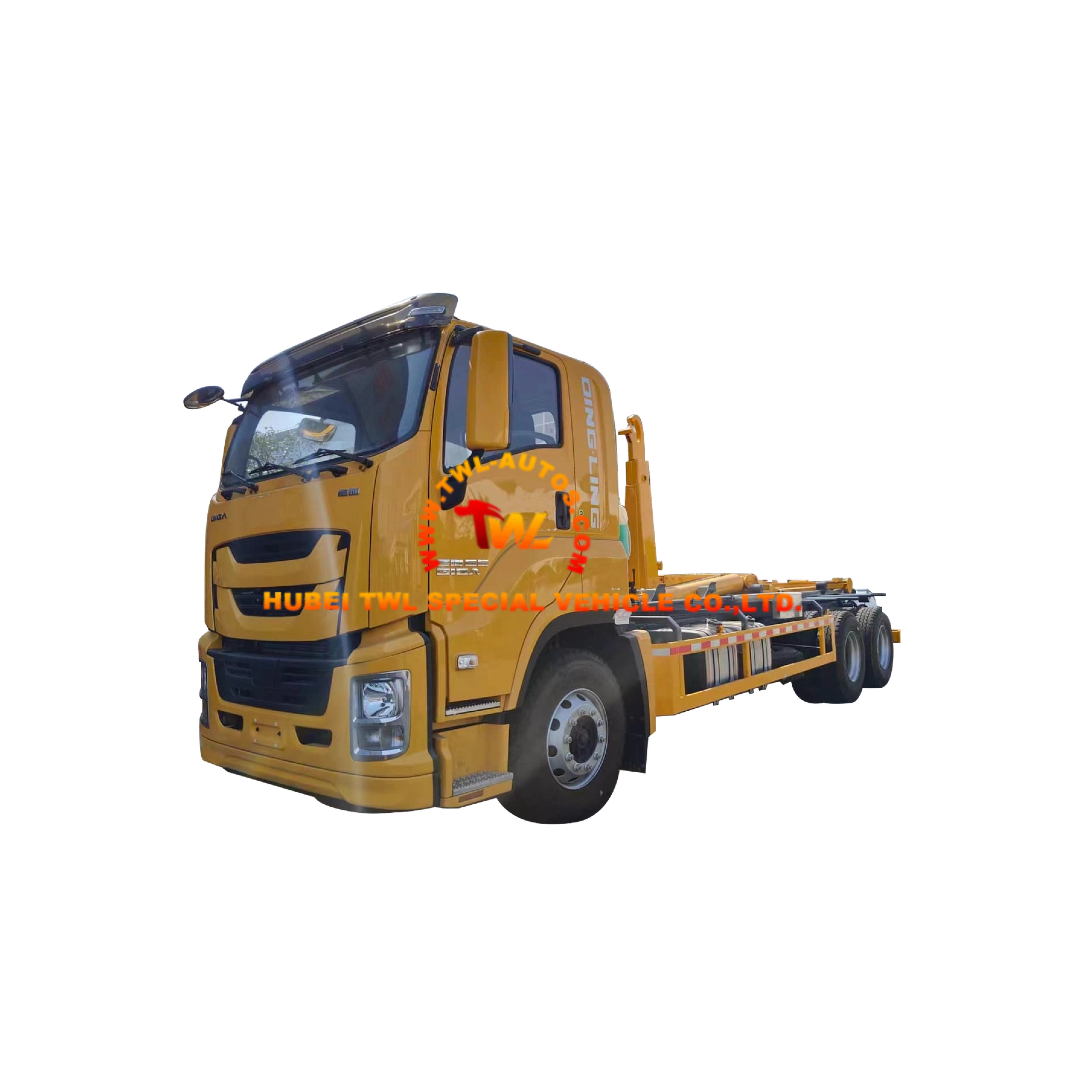
Available as rear loader, side loader, hook lift, and compactor garbage trucks to meet diverse waste collection needs.
High Compaction Ratio
Hydraulic compaction systems significantly increase payload capacity and reduce transportation frequency.
Strong Chassis and Frame
Reinforced Isuzu truck chassis ensures durability under heavy loads and harsh operating conditions.
Easy Operation and Safety Design
User-friendly control panels, emergency stop systems, and safety interlocks improve operational safety.
Application Areas
Isuzu garbage trucks are widely used in various waste management scenarios, including:
Municipal Solid Waste Collection
Ideal for city streets, residential communities, and public sanitation departments.
Commercial and Industrial Waste Handling
Suitable for factories, shopping centers, hospitals, and office complexes.
Rural and Township Sanitation Projects
Compact models are well-suited for narrow roads and dispersed collection points.
Private Waste Management Companies
Commonly used by contractors offering door-to-door waste collection services.
How To Use
Proper operation ensures efficiency and extends the service life of the garbage truck:
Pre-Operation Inspection
Check engine oil, hydraulic oil, brake fluid, tires, and lighting systems before starting work.
Waste Loading
Load waste evenly to avoid overloading one side of the compactor or container.
Compaction Process
Activate the hydraulic compaction system according to the operating manual, ensuring no foreign objects interfere with moving parts.
Transportation
Drive at controlled speeds, especially in urban areas with frequent stops.
Unloading and Cleaning
Fully discharge waste at designated disposal sites and rinse the garbage container to prevent corrosion and odor buildup.
Daily Maintenance
Routine maintenance is essential for reliable long-term operation:
Daily Checks
Inspect hydraulic hoses, seals, and fittings for leaks or damage.
Lubrication
Grease moving parts such as hinges, sliding rails, and compactor mechanisms regularly.
Hydraulic System Maintenance
Replace hydraulic oil and filters according to service intervals recommended by Isuzu.
Engine and Transmission Care
Follow standard Isuzu maintenance schedules for oil changes, air filters, and fuel filters.
Body Cleaning and Anti-Corrosion Treatment
Regular washing and anti-rust treatment help extend the service life of the garbage body.
FAQ
What Is The Best Garbage Truck?
The best garbage truck depends on your application. Isuzu garbage trucks are often considered among the best due to their reliable engines, low operating costs, and wide range of configurations suitable for urban and rural waste collection.

Can I Make Money With A Garbage Truck?
Yes. Many private contractors and sanitation companies generate stable income by offering waste collection services. Profitability depends on local contracts, fuel costs, maintenance efficiency, and route planning. Isuzu trucks help reduce operating costs through fuel efficiency and durability.
What Is The Average Lifespan Of A Garbage Truck?
A well-maintained garbage truck typically lasts 8–15 years. With proper maintenance and genuine spare parts, Isuzu garbage trucks often reach the higher end of this range, even under heavy daily use.
Conclusion
Isuzu garbage trucks combine proven engine technology, durable chassis design, and flexible waste collection configurations.
Whether for municipal sanitation, private waste management, or industrial applications, they offer a cost-effective and reliable solution.