Introduction
Garbage collection trucks all attack the same problems, but small efficiencies add up on the schedule. Throwing away minutes here and there means someone at the office is spending more hours out on rounds. Nobody budgets for overtime picked off the side of the road.
The Skip Loader Garbage Truck starts with a hydraulic swinging arm that lifts containers without manual handling. Here are seven ways it saves time and money on every collection round, with details from the truck specifications to back them up.
7 Ways Skip Loader Garbage Truck Improves Waste Collection
Cut Crew Size From Three Manual Loaders to One Operator
That’s right, your payroll will shrink when you convert rounds to a skip loader.
Manual rounds need two or three loaders to heft bins and lids into position where the driver can lift them. Hydraulic power and controls mounted to the rear panel eliminate all that hand labor, so one operator works an entire route alone.
Saving two wages per truck, year after year the vehicle runs, almost always pays for the initial cost premium inside eighteen months. Bonus: you also eliminate the manual lifting that causes the industry’s back injuries. That’s the other budget line nobody bothers with until it shows up.
Reach Containers Parked Off the Kerb Without Moving Them
Bins don’t sit where they should, especially after years of residents backing them into walls and business parking them in loading bays. Everyone will tell you about the time their crew had to drag bins into place before they could start.
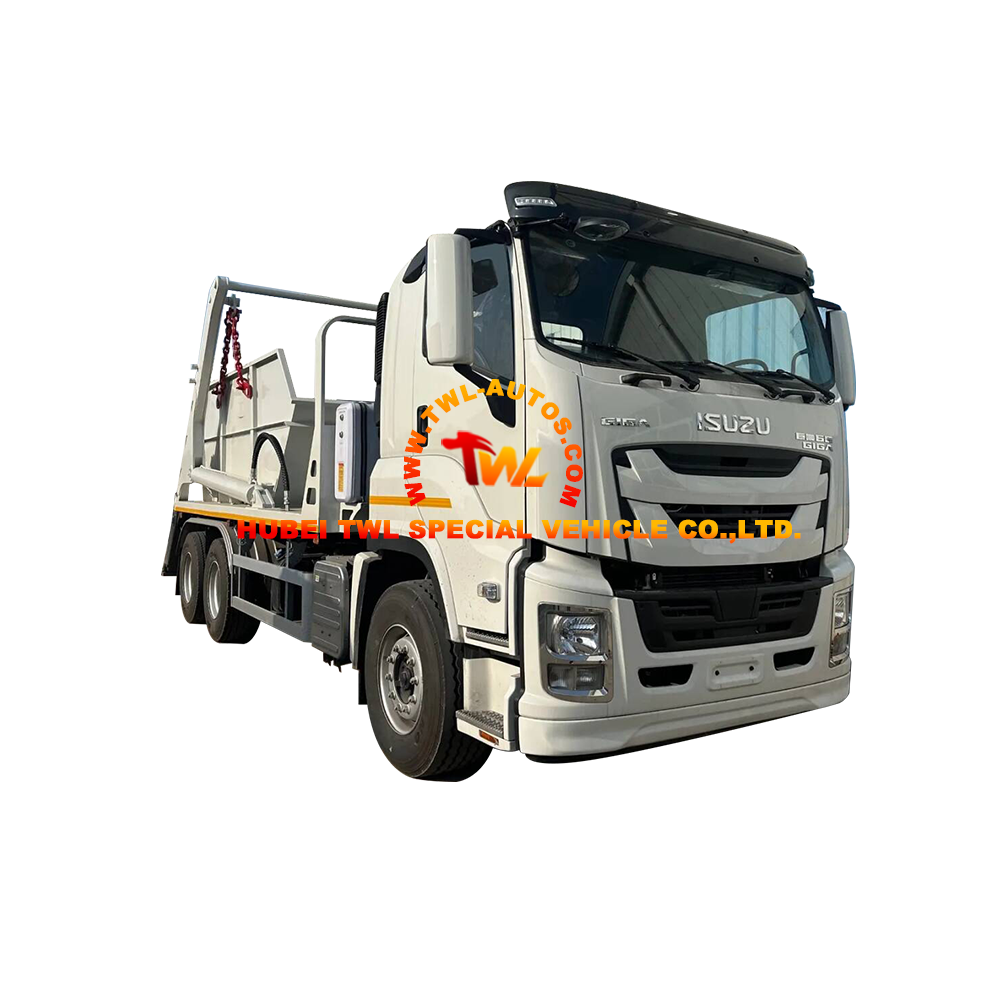
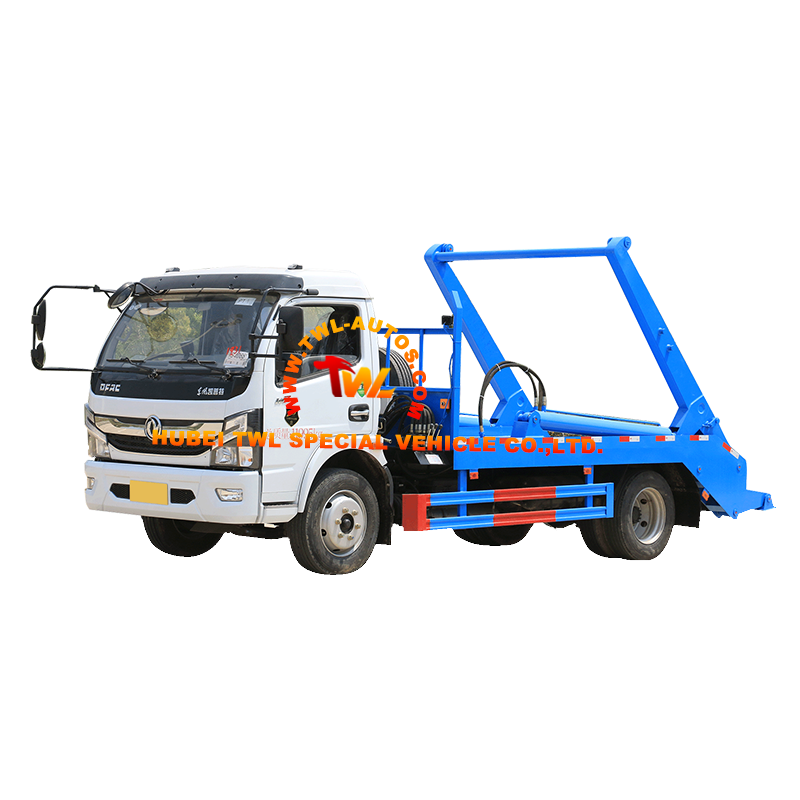
Arm rotates through either 180 degrees or 220 degrees, which reaches bins away from the kerb line or shoved to one side. Now crews target their vehicles at containers instead of going halfway to meet them. No dragging bins, no moving the truck, no backing down awkward alleyways.
Reach ranges from 2.0 to 3.5 metres away from the truck, covering 99% of container positions I have seen on residential or commercial rounds.
Serve Wheeled Bins and Roll-On Skips With One Vehicle
Most skip loader trucks would kill for my daily route; the variety is why I keep using theirs.
Single vehicles handle 660 and 1,100 litre wheeled bins along with roll-on and roll-off skip containers. In plain English, one truck does residential houses and apartments, commercial business parks, and building sites collecting debris all on the same day.
Run one instead of two and you are not doubling your fleet every time the work mixes. You never have two trucks, two drivers and twice the capital tied up sitting at the depot when your route leans one way or the other. That flexibility decides contracts for smaller operators all the time.
Lift Containers Up to 5,000 kg Without Manual Assistance
Anywhere between 2,000 kg and 5,000 kg. The maximum lift height is also useful information, which ranges from 3.0 to 4.5 metres depending on configuration.
Dump skips filled with concrete rubble fit into that five tonne range, and they will stop a crew of manual loaders instantly. Nobody is hoisting those by hand, and if your equipment can’t lift them mechanically they just wait for the appropriate lift truck to show up.
Consult your routines before buying. If the heaviest container on your rounds is a wheeled bin your equipment spends most of its time lifting, details like maximum lifting height and arm reach don’t matter. Buy a skip loader garbage truck rated at 2,000 kg and you cannot lift full construction skips.
Compact Waste On Board and Cut Return Trips to the Landfill
Body capacity ranges from 8 to 16 cubic metres, with an optional hydraulic compactor built alongside the chassis cab.
A compactor significantly affects how you run your routes. More waste per collection means fewer trips to dump it, which saves fuel and driver time plus frees up road hours every time you skip that return journey. Round I worked before selecting these trucks took forty minutes to the disposal site; skipping trips added up fast.
Ignore compaction if your waste starts as bulky materials with low density, like packaging waste or green waste recycling. The extra you pay for the compactor comes right back in reduced trips to dump and fewer trucks on the road. Your waste is heavy and dense? Then skip loaders may still be your best choice, but compaction is useless because your loads will fill the body by weight long before they reach volume capacity.
Prevent Leachate Leaks That Cause Residential Complaints
I cannot tell you how many people called to dump garbage trucks drive past their houses every day.
Hydraulic tailgate with actual seals that function, not two metal panels someone hopes stay close together. High strength steel body with paint that resists corrosion, because leachate eats regular paint from the outside in if you let it. It’s acidic.
For municipalities wanting to avoid complaints, hydraulic seals and rust prevention are peace of mind. Complaints turn into penalties under most contracts, which means urban operators actually pay extra when stuff leaks onto residential streets. Those penalties far exceed what CLW charges for a sealed tailgate.
Avoid Downtime With Overload Protection and Hydraulic Locks
If your trucks are in the workshop your staff are making less money.
Dual safety systems keep operators from bending that arm by mistake. Overload detection won’t allow the arm to attempt lifting something too heavy, a hydraulic lock holds any container lifted if the hydraulic pressure drops suddenly, and an emergency stop controls exist for the case they don’t. All have backup controls inside the cab.
The overload system pays for itself quickly. Operators trying to lift an unexpectedly heavy container can flatten that arm in seconds, if they notice before it snaps. Repair costs far exceed what you ever hoped to save skipping that unload without mechanical assistance. The truck simply refuses to lift, everyone goes home on time and you avoid the overtime.
Skip Loader Garbage Truck Specifications Table
Here is the full specification for TWL’s Isuzu-based skip loader.
| System | Specification |
| Chassis | ISUZU FVR / GVR, 4×2 rear-wheel drive |
| Engine | 190–250 HP, Euro V or Euro VI |
| Transmission | 6 or 7 forward, 1 reverse, manual |
| Wheelbase | 3,800–5,000 mm, customizable |
| Arm lifting capacity | 2,000–5,000 kg |
| Maximum lift height | 3.0–4.5 m |
| Working reach | 2.0–3.5 m |
| Arm rotation | 180–220 degrees |
| Safety systems | Overload protection, hydraulic lock, emergency stop |
| Body capacity | 8–16 m³ |
| Body material | High-strength steel, corrosion-resistant paint |
| Compaction | Optional hydraulic compactor |
| Hydraulic pressure | 16–22 MPa |
| Container compatibility | 660 L, 1,100 L wheeled bins, roll-on/roll-off skips |
| Gross vehicle weight | 16–25 tons |
| Payload | 8–15 tons |
| Ground clearance | ≥ 240 mm |
| Electrical | 24V dual batteries with isolator, LED work lights and beacons |
| Certification | GB and CE |
Operating and Maintaining a Skip Loader Garbage Truck
Hydraulic system works at between 16 and 22 MPa. You will spend most of your maintenance time there.
Fluid levels, hydraulic hose condition:inspect every day. Hydraulic arm pivot points, cylinder seals: inspect weekly because an oozing seal fails slowly and can be inexpensive to repair when you notice it rather than ignore for months. Pivot grease points: don’t forget to grease just because it’s hidden from view, and verify the tailgate actually seals before your first shift each day. Trash leaching from your truck didn’t have to leak to cause complaints.
Safety systems need testing, not assuming they will work. Every shift there should be a deliberate test of overload prevention, hydraulic lock and emergency stop just like fire extinguishers and other equipment with proven savings for regular inspection.
Same goes for electrical. Terminal connections should be clean and tight, so verify battery isolation works as part of your pre-check and top up battery fluid if necessary. Again, LED lights seem minor until your crew stands in the dark beside moving traffic because you waited too long to replace a burned out unit.
Why Choose TWL for Your Skip Loader Garbage Truck
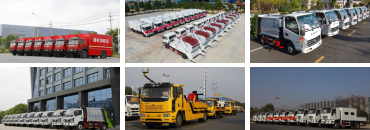
TWL is based near Zhengzhou City, but manufacturing takes place in Suizhou City which produces a large percentage of China’s special vehicles.
Garbage trucks are constructed on Isuzu FVR / GVR chassis so they have GB certification as standard with CE certification available on request. Each chassis option detailed above comes in a range of wheelbases, body capacities, arm capacities, tyre formats, compaction options and emission standards. TWL will tailor any vehicle to your order specifications instead of making you choose from their stock models.
Prices start at low-volume discounts and drop as order quantity increases; let them know you plan to buy more than one vehicle and negotiate from there. Optional warranties max out at 5 years or 150,000 kms but the standard warranty is comprehensive, service rapid and many customers end up on monthly contracts to protect their supply from exchange rate fluctuations. Annual maintenance contracts and spare parts supply all optionable as well.
TWL is part of the CLW Group. We can put you in contact with their distributors throughout Europe & Africa, and North America depending on where you’re located.
FAQ
How much can a skip loader garbage truck lift in one cycle?
The arm can lift between 2 tonnes and 5 tonnes depending on configuration and lift height ranges from 3 to 4.5 metres. Working reach is the distance the arm extends from truck to container, and ranges from 2 to 3.5 metres.
Always check your heaviest routine container against the truck specifications before ordering. You can easily end up with a garbage truck able to lift 2 tonnes but nowhere near high enough to service your loaded skips.
What container sizes can a skip loader truck collect?
660 litre and 1,100 litre wheeled bins plus roll-on/roll-off skip containers. That versatility means one truck can collect from housing estates, business parks and construction sites alike all on the same shift, which is why most operators buy this model rather than fleet dedicated bin lifters.
Is hydraulic compaction worth the cost on a skip loader garbage truck?
Depends on what you’re dumping. If your waste loading is bulky but light, like packaging, plastics or green waste recycling then compaction allows you to fit far more in the 8 to 16 cubic metre body before having to return to the disposal site. Dumping construction/concrete debris? Body weight fills long before size becomes a factor, so skip the compactor as a waste of money for your application.
What is the difference between skip loader and hook lift truck?
Where hook lifts slide the entire container onto the chassis before carrying it away, skip loaders use a swing arm to lift containers above the vehicle then empty them into the body itself. Skip loaders handle frequent stops throughout the day; hook lifts excel at transporting full containers between sites.
What chassis and body options does a skip loader garbage truck offer?
TWL builds their garbage trucks on Isuzu FVR and GVR chassis, all with engines ranging from 190 HP to 250 HP meeting Euro V or Euro VI emissions standards. Wheelbase is adjustable from 3,800 mm to 5,000 mm, bodies come in 8 cubic metres up to 16 cubic metres of high strength steel. Arm capacity, hydraulic compactor option, tyres/workmanship package and emission standards are all configurable at order time.
What should you consider when buying dump garbage truck?
Buy a dump truck instead and the decisions change significantly. Dump trucks tip their whole chassis empty, leaving you to choose between open tops and sealed bodies, sizing up to match your route then picking a chassis your technicians can service. Bulky? Dense? Construction or demolition waste your urban employees collect from trailers rather than bins? Your best fit may well be a dump truck body.
How long does waste management truck last?
Operators who maintain their trucks properly see eight years to fifteen years service from a single chassis and body combination, with bodies easily lasting twice as long if you change chassis first. Service the hydraulics once a year or every six months and they will decide how long your trucks last. Don’t wash your trucks or ignore leaks? Paint will rust through much faster than anyone expects, which is why corrosion-resistant paint and thorough washing matter.
How do garbage collection trucks handle high-density residential areas?
The same way every other truck here does: better reach and maneuverability over brute size. Seriously, 220 degrees!!! Arm rotation lets the crew target containers without moving the truck itself, while opting for the short 3,800 mm wheelbase makes navigation and parking easier on narrow streets. Tailgate seals become even more important in dense urban collections, since leaking waste will generate complaints faster than your crews can empty bins.
What is the difference between refuse collection truck and garbage truck?
Nothing. Refuse Collection Truck is the formal term used by British spec sheets and municipal contract paperwork, garbage truck is the standard American version. Both mean the exact same thing.
Specifications are how you should compare vendors, not vocabulary differences.
Conclusion
Ask five drivers why they like their Skip Loader Garbage Truck and you’ll get five opinions. I asked them why yours should and the answers came down to math. One operator vs three on the payroll. One truck serving wheeled bins and roll-on skips instead of two. One less trip to the landfill when you fit a compactor. One complaint about leaking trash if that hydraulic tailgate stays sealed. One less week in the workshop when overload protection prevents your crew from bending the arm whilst showing them how to lift properly.
Three things to check before you order: container weights against arm capacity, your waste density against whether compaction justifies itself and the shortest street you serve against wheelbase length. After that drop TWL a line at +86 135 4506 4324 or email Shirley at shirley@clw-autos. com – include your usual container types, profile of route (lots of containers? Heavy skips? ), waste density and whether you plan to work domestic or export markets and let the technical team quote you.
Want to see for yourself? Visit https://www.twl- autos.com/.