Introduction
Fuel consumption is one of the most important operating costs for waste management companies, municipalities, and fleet operators. As garbage collection services require frequent stops, heavy loads, and long working hours, improving fuel efficiency can significantly reduce daily operating expenses and increase fleet profitability.
An Isuzu garbage truck is widely recognized for its reliable chassis, efficient diesel engine performance, and flexible configurations for urban and commercial waste collection. However, even a high-quality garbage truck requires proper operation, maintenance, and configuration to achieve the best fuel economy.
Whether you are using an Isuzu garbage compactor truck, an Isuzu forward garbage truck, or planning to purchase an Isuzu garbage truck for sale, understanding how to reduce fuel consumption is essential for long-term fleet management.
This guide explains 10 proven strategies to improve Isuzu garbage truck fuel efficiency, reduce unnecessary fuel waste, and help buyers choose the right model from a reliable Isuzu garbage truck manufacturer.
10 Proven Strategies To Reduce Isuzu Garbage Truck Fuel Consumption
Reducing fuel consumption does not depend on a single factor. It requires a combination of selecting the correct vehicle configuration, maintaining key components, improving operating habits, and optimizing collection processes.
Choose The Right Isuzu Garbage Truck Model
Selecting the correct truck model is the first step toward achieving better fuel efficiency. Different waste collection applications require different vehicle sizes, engine outputs, and body configurations.
Many operators make the mistake of purchasing an oversized garbage truck with higher capacity than their actual requirements. Although a larger truck can transport more waste, unnecessary vehicle weight increases fuel consumption during daily operations.
For example, an urban residential waste collection project may not require a heavy-duty model. A medium-duty Isuzu garbage truck with an optimized compactor body can provide better fuel economy while still meeting operational needs.
Select Vehicle Capacity Based On Application
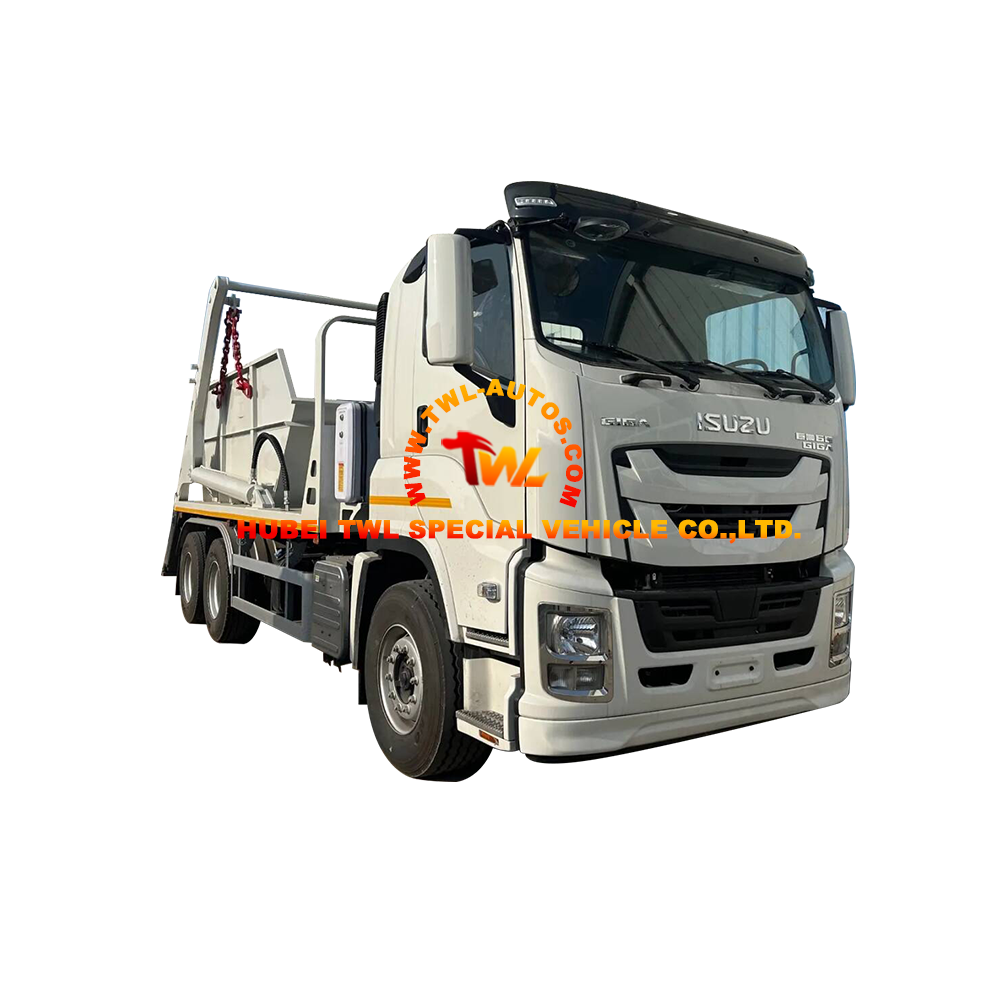
The garbage collection environment should determine the truck capacity. Small communities, narrow city streets, and short-distance collection routes usually benefit from compact or medium-duty models.
Large municipalities with high waste volumes may require heavy-duty configurations with larger compaction bodies. Choosing the right capacity prevents the truck from operating with excessive unused weight, helping reduce fuel consumption.
Match Engine Power With Working Requirements
Engine power should be sufficient for the vehicle’s workload but not unnecessarily excessive. A properly matched Isuzu diesel engine can deliver strong torque while maintaining efficient fuel usage.
When selecting an Isuzu garbage truck for sale, buyers should evaluate factors such as:
● Daily garbage collection distance
● Average waste volume
● Road conditions
● Operating hours
● Required payload capacity
Optimize Loading Capacity And Weight Distribution
Improper loading is one of the common reasons for increased fuel consumption. A garbage truck carrying uneven or excessive loads requires more engine power, resulting in higher fuel usage.
The compaction system of an Isuzu garbage compactor truck helps increase waste density and maximize loading efficiency. However, operators should still follow proper loading procedures to avoid unnecessary weight increases.
Avoid Overloading The Garbage Truck
Overloading increases the total vehicle weight and forces the engine, transmission, suspension, and braking system to work harder. This not only increases fuel consumption but also accelerates component wear.
Maintaining the recommended payload range allows the truck to operate efficiently while reducing maintenance costs.
Improve Waste Distribution Inside The Body
Balanced waste distribution improves vehicle stability and reduces unnecessary engine load. Operators should ensure garbage is evenly compacted throughout the container instead of allowing excessive weight to accumulate in one area.
Proper load management helps an Isuzu forward garbage truck maintain better driving performance, especially during frequent acceleration and braking in urban environments.
Maintain Isuzu Engine Regularly To Improve Fuel Efficiency
The engine is the main power source of every garbage truck. Regular engine maintenance directly affects fuel consumption, emissions, and overall vehicle performance.
An improperly maintained engine may consume more fuel because of reduced combustion efficiency, clogged filters, or incorrect operating conditions.
Replace Engine Filters On Schedule
Air filters and fuel filters play an important role in engine efficiency. A dirty air filter restricts airflow, reducing combustion quality and increasing fuel demand.
Regular filter replacement helps maintain proper engine performance and allows the Isuzu diesel engine to operate efficiently.
Check Engine Oil And Lubrication System
Using the correct engine oil and maintaining proper lubrication reduces internal friction between moving parts. Lower friction allows the engine to work more efficiently and reduces unnecessary fuel consumption.
Fleet operators should follow the maintenance recommendations provided by the manufacturer to ensure consistent performance.
Reduce Idle Time During Garbage Collection Operations
Garbage trucks often spend significant time idling during collection operations. While short periods of idling may be necessary, excessive idle time wastes fuel without increasing productivity.
Reducing unnecessary engine operation is one of the easiest ways to lower fuel consumption for an Isuzu garbage truck.
Turn Off Engine During Long Waiting Periods
Drivers should avoid keeping the engine running when the truck is stopped for extended periods, such as waiting at disposal sites or during operational delays.
Implementing idle reduction practices can significantly improve fuel savings across an entire garbage truck fleet.
Use Efficient Collection Procedures
Optimizing collection workflows reduces unnecessary stops and waiting time. Better coordination between drivers, operators, and collection teams helps maximize working efficiency.
Improve Driving Habits For Better Fuel Economy
Driver behavior has a direct impact on garbage truck fuel consumption. Even with an efficient Isuzu garbage truck, aggressive driving, unnecessary acceleration, and poor operating habits can increase fuel usage.
Because garbage collection involves frequent stops and starts, drivers need to apply fuel-efficient driving techniques to reduce engine workload and improve overall fleet performance.
Avoid Sudden Acceleration And Hard Braking
Frequent rapid acceleration forces the engine to consume more fuel. Similarly, aggressive braking wastes the energy already used to move the vehicle.
Drivers should maintain smooth acceleration, anticipate traffic conditions, and use gradual braking whenever possible. This driving method helps reduce fuel consumption and decreases wear on important components such as the transmission and braking system.
Maintain A Consistent Driving Speed
Maintaining a stable speed improves engine efficiency and reduces unnecessary fuel usage. Although garbage collection vehicles operate at lower speeds than normal trucks, consistent driving patterns still contribute to better fuel economy.
For operators managing multiple Isuzu garbage compactor trucks, driver training programs can help standardize fuel-efficient driving practices across the entire fleet.
Plan Efficient Garbage Collection Routes
Route planning plays an important role in reducing fuel consumption. A poorly designed collection route can increase driving distance, idle time, and unnecessary fuel costs.
Optimizing routes allows an Isuzu forward garbage truck to complete more collection tasks with fewer kilometers driven.
Reduce Unnecessary Travel Distance
Waste collection companies should analyze collection areas and create optimized routes based on waste volume, traffic conditions, and disposal locations.
Shorter and more efficient routes reduce fuel consumption while improving daily productivity.
Use Fleet Management Technology
Modern fleet management systems can monitor vehicle location, fuel usage, driving behavior, and operating efficiency.
By analyzing collected data, fleet managers can identify inefficient routes and adjust schedules to improve the performance of their Isuzu garbage truck for sale fleet.
Keep Tires Properly Inflated And Maintain Vehicle Performance
Tire condition has a significant influence on fuel economy. Incorrect tire pressure increases rolling resistance, forcing the engine to use more energy to move the vehicle.
For heavy-duty waste collection vehicles, maintaining proper tire pressure is an effective way to improve fuel efficiency and reduce operating costs.
Check Tire Pressure Regularly
Underinflated tires create additional resistance between the tires and road surface. This requires more engine power and increases fuel consumption.
Operators should inspect tire pressure regularly according to the manufacturer’s recommendations, especially for vehicles operating under heavy loads every day.
Replace Damaged Or Worn Tires
Worn tires may reduce vehicle stability and increase operating risks. Replacing unsuitable tires improves driving efficiency and helps maintain consistent fuel performance.
Choosing high-quality tires designed for commercial vehicles can also extend service life and reduce maintenance expenses.
Maintain The Hydraulic Compaction System Properly
The hydraulic system is one of the most important components of an Isuzu garbage compactor truck. It controls the compression mechanism that increases waste loading capacity.
A poorly maintained hydraulic system can reduce compaction efficiency and require additional engine power, resulting in increased fuel consumption.
Inspect Hydraulic Oil Quality
Hydraulic oil contamination or insufficient oil levels can reduce system performance. Regular inspection and replacement of hydraulic oil help maintain smooth operation.
An efficient hydraulic system allows the garbage truck to complete compaction operations faster and reduces unnecessary engine workload.
Check Hydraulic Components Regularly
Hydraulic cylinders, valves, pumps, and pipelines should be inspected regularly to identify potential problems before they affect vehicle operation.
Preventive hydraulic maintenance helps ensure that the garbage collection process remains efficient and reduces fuel waste caused by system inefficiency.
Reduce Vehicle Downtime Through Preventive Maintenance
Unexpected vehicle failures can increase operating costs and reduce fleet efficiency. Regular preventive maintenance helps keep an Isuzu garbage truck operating at optimal performance.
A well-maintained vehicle usually consumes less fuel because all major systems work together efficiently.
Create A Regular Maintenance Schedule
Fleet operators should establish maintenance plans covering:
● Engine inspection
● Transmission checks
● Brake system maintenance
● Hydraulic system inspection
● Electrical system testing
● Tire condition monitoring
Following a structured maintenance schedule reduces the risk of fuel efficiency problems caused by mechanical failures.
Monitor Vehicle Performance Data
Tracking fuel consumption, operating hours, and maintenance records helps identify abnormal fuel usage.
If a garbage truck suddenly consumes more fuel than normal, operators can investigate possible issues such as engine problems, hydraulic failures, or incorrect operating conditions.
Select Fuel-Efficient Isuzu Garbage Truck From Manufacturer
The vehicle configuration and manufacturing quality directly influence long-term fuel performance. Choosing a reliable Isuzu garbage truck manufacturer ensures that the truck is built with suitable components and optimized engineering.
Professional manufacturers can provide different garbage truck solutions based on application requirements, including residential waste collection, municipal cleaning, commercial waste transportation, and industrial waste management.
Choose A Manufacturer With Customization Capability
Different markets have different requirements for garbage collection vehicles. A professional manufacturer can customize:
● Garbage body capacity
● Compaction ratio
● Hydraulic system configuration
● Chassis specifications
● Loading mechanism design
Proper customization prevents purchasing an unsuitable vehicle and helps improve fuel efficiency during daily operation.
Compare Total Operating Cost Before Purchase
When comparing Isuzu garbage truck price, buyers should consider more than the initial purchase cost. Fuel consumption, maintenance expenses, spare parts availability, and service support all affect the total cost of ownership.
A fuel-efficient garbage truck may have a slightly higher initial investment but can provide significant savings throughout its service life.
Factors That Affect Isuzu Garbage Truck Fuel Consumption
Although operation and maintenance practices have a major influence on fuel usage, several technical and environmental factors also determine the fuel consumption performance of an Isuzu garbage truck.
Understanding these factors helps fleet managers select the right vehicle configuration, optimize daily operations, and achieve lower long-term operating costs.
Engine Power And Vehicle Configuration
The engine specification and overall vehicle configuration directly affect fuel efficiency. A garbage truck requires sufficient power to handle heavy loads, frequent stops, and continuous hydraulic operations.
An oversized engine may provide unnecessary power and increase fuel consumption, while an underpowered engine may operate under excessive stress and consume more fuel.

Select The Appropriate Chassis Configuration
The chassis is the foundation of every garbage truck. Factors such as chassis weight, wheelbase, engine output, and transmission type influence the vehicle’s fuel performance.
When selecting an Isuzu garbage truck for sale, buyers should choose a chassis that matches their collection environment instead of simply selecting the largest available model.
For example, compact models are suitable for narrow urban roads, while heavy-duty configurations are better for large-scale municipal waste transportation.
Balance Payload Capacity And Fuel Efficiency
Higher payload capacity allows operators to transport more waste per trip, but larger vehicles usually require more fuel. The key is finding the correct balance between transportation efficiency and fuel consumption.
A properly configured Isuzu garbage compactor truck can maximize waste volume through efficient compression while maintaining reasonable fuel usage.
Garbage Compaction System Efficiency
The compaction system plays a critical role in determining how efficiently a garbage truck operates. A highly efficient hydraulic compaction system allows more waste to be loaded into the container, reducing the number of trips required.
However, inefficient hydraulic components or incorrect operation methods may increase fuel consumption.
Compaction Ratio And Fuel Efficiency
The compaction ratio determines how much waste volume can be reduced during loading. A higher compaction ratio means more waste can be transported in each trip, improving transportation efficiency.
By reducing unnecessary trips to disposal facilities, an efficient compaction system helps lower total fuel consumption.
Hydraulic System Performance
The hydraulic system requires engine power to operate the compression mechanism. If hydraulic components have excessive resistance or poor maintenance, the engine must work harder.
Regular hydraulic maintenance ensures smooth operation and prevents additional fuel consumption caused by system inefficiency.
Operating Environment And Collection Conditions
The working environment of a garbage truck has a significant impact on fuel usage. Unlike long-distance transportation trucks, waste collection vehicles often operate under challenging conditions involving frequent stops, short distances, and heavy urban traffic.
Urban Traffic Conditions
City garbage collection often involves:
● Frequent acceleration and braking
● Heavy traffic congestion
● Narrow streets
● Short-distance driving
● Multiple loading stops
These conditions naturally increase fuel consumption. Proper route planning and efficient driving techniques can help reduce the impact of urban operating environments.
Climate And Road Conditions
Extreme weather conditions, poor road surfaces, and steep terrain can increase engine workload and fuel demand.
For example, garbage trucks operating in mountainous areas may require stronger engine performance compared with vehicles working on flat urban roads.
Understanding local operating conditions allows buyers to select the most suitable Isuzu forward garbage truck configuration.
Why Choose Isuzu Garbage Truck Manufacturer For Your Fleet?
Selecting the right manufacturer is an important decision for fleet operators, municipalities, and waste management companies. A reliable Isuzu garbage truck manufacturer can provide high-quality vehicles, professional customization, and long-term technical support.
Choosing an experienced manufacturer ensures that the garbage truck meets local regulations, operating requirements, and efficiency goals.
Professional Vehicle Customization Solutions
Different waste collection projects have different requirements. A professional manufacturer can customize garbage trucks according to:
● Waste collection volume
● Road conditions
● Climate environment
● Loading method
● Waste disposal process
Customization helps customers avoid unnecessary vehicle costs and ensures better fuel efficiency during daily operations.
Reliable Quality And Manufacturing Standards
A trusted manufacturer focuses on vehicle durability, component quality, and production consistency.
High-quality manufacturing reduces unexpected failures, improves vehicle availability, and helps operators maintain stable fuel performance throughout the truck’s service life.
Better After-Sales Support And Spare Parts Supply
Garbage trucks operate under demanding conditions every day. Reliable after-sales service is essential for maintaining vehicle performance.
Professional suppliers can provide:
● Technical support
● Maintenance guidance
● Spare parts supply
● Operation training
● Warranty service
These services help fleet operators reduce downtime and maintain efficient waste collection operations.
FAQ
Where Can I Buy An Isuzu Garbage Truck?
You can buy an Isuzu garbage truck from professional commercial vehicle manufacturers, authorized suppliers, or experienced exporters specializing in municipal sanitation vehicles.
When purchasing, buyers should evaluate manufacturer experience, vehicle specifications, customization options, after-sales service, and spare parts availability.
What Factors Affect Isuzu Garbage Truck Price?
The price of an Isuzu garbage truck depends on several factors, including chassis model, garbage body capacity, compaction system design, hydraulic components, configuration requirements, and customization options.
Buyers should compare total value rather than only focusing on the initial purchase price.
Is Isuzu Garbage Compactor Truck Fuel Efficient?
Yes. An Isuzu garbage compactor truck can achieve good fuel efficiency when properly configured, maintained, and operated.
Factors such as engine condition, load management, driving habits, route planning, and hydraulic system efficiency all influence fuel consumption.
What Is An Isuzu Forward Garbage Truck Used For?
An Isuzu forward garbage truck is commonly used for municipal waste collection, residential garbage transportation, commercial waste handling, and urban sanitation services.
Its compact structure and reliable performance make it suitable for various city waste management applications.
How Often Should An Isuzu Garbage Truck Be Maintained?
Maintenance frequency depends on operating hours, working conditions, and manufacturer recommendations.
Regular inspections should include the engine, hydraulic system, tires, braking system, electrical components, and garbage body structure to maintain reliable performance.
What Should I Check Before Buying An Isuzu Garbage Truck?
Before purchasing an Isuzu garbage truck for sale, buyers should evaluate several important factors to ensure the vehicle matches their operational requirements.
The key considerations include garbage collection capacity, chassis performance, engine specifications, hydraulic system quality, maintenance requirements, and manufacturer reliability.
Important points to check include:
● Required garbage body capacity
● Daily waste collection volume
● Road and working environment conditions
● Fuel efficiency performance
● After-sales service availability
● Spare parts supply capability
● Compliance with local transportation regulations
Choosing the correct configuration from an experienced Isuzu garbage truck manufacturer helps avoid unnecessary operating costs and improves long-term fleet efficiency.
How Much Fuel Does An Isuzu Garbage Truck Consume Per Day?
The daily fuel consumption of an Isuzu garbage truck depends on many operating factors, including truck size, working hours, garbage collection distance, road conditions, load capacity, and driver behavior.
Compared with highway trucks, garbage trucks usually consume more fuel per kilometer because they operate with frequent stops, repeated acceleration, and continuous hydraulic compaction activities.
Typical factors affecting daily fuel usage include:
● Number of garbage collection stops
● Total operating distance
● Waste load weight
● Hydraulic compaction frequency
● Traffic conditions
● Vehicle maintenance condition
Fleet operators can reduce daily fuel consumption by optimizing collection routes, reducing idle time, maintaining the engine properly, and selecting a suitable truck configuration.
What Size Isuzu Garbage Truck Is Suitable For City Waste Collection?
The suitable size of an Isuzu garbage truck depends on the city population, waste volume, collection area, and road conditions.
Small and medium-sized garbage trucks are commonly used for residential communities, narrow urban streets, and short-distance collection operations. Larger models are more suitable for large municipalities with higher waste volumes.
Common selection considerations include:
● Small capacity models for residential areas and small communities
● Medium-duty models for urban waste collection
● Heavy-duty models for large-scale municipal sanitation projects
A professional manufacturer can recommend the most suitable vehicle size based on actual collection requirements.
How Fuel-Efficient Is Isuzu Garbage Truck Compared With Other Models?
The fuel efficiency of an Isuzu garbage truck is influenced by vehicle design, engine technology, operating conditions, and maintenance quality.
Isuzu trucks are widely used in sanitation applications because of their reliable diesel engines, durable chassis design, and efficient performance under demanding working conditions.
However, fuel efficiency comparisons should consider the complete vehicle configuration rather than only the chassis brand. A properly matched garbage body, efficient hydraulic system, and correct operating methods are equally important.
By selecting the right model and following proper maintenance practices, operators can achieve lower fuel consumption and better total operating efficiency.
Conclusion
Reducing Isuzu garbage truck fuel consumption requires a combination of vehicle selection, maintenance management, operational optimization, and driver training.
The most effective strategies include choosing the correct truck model, controlling loading weight, maintaining the engine regularly, reducing idle time, improving driving habits, optimizing collection routes, maintaining tires, and ensuring the hydraulic compaction system operates efficiently.
For companies planning to purchase an Isuzu garbage truck for sale, selecting a reliable Isuzu garbage truck manufacturer is equally important. A professional supplier can provide customized solutions that match specific waste collection requirements while improving fuel economy and reducing long-term operating costs.
Whether you need an Isuzu garbage compactor truck, an Isuzu forward garbage truck, or a complete sanitation vehicle fleet solution, focusing on fuel efficiency from the beginning will help maximize investment value and improve daily waste management performance.