Introduction
Proper maintenance is the key to extending the lifespan and improving the working efficiency of your isuzu vacuum truck. Whether you are operating in municipal sanitation, industrial cleaning, or sewage transportation, routine inspection and servicing can significantly reduce downtime and repair costs. If you want your vacuum truck to deliver stable suction performance for years, preventive maintenance should never be ignored.
How To Maintain An Isuzu Vacuum Truck Properly
Understand The Working Principle Before Maintenance
Before you perform any type of vacuum truck maintenance, you should first understand how the truck actually works. Many operators focus only on the engine while ignoring the vacuum pump system, hydraulic controls, and pressure tank. In reality, these systems work together continuously during operation.
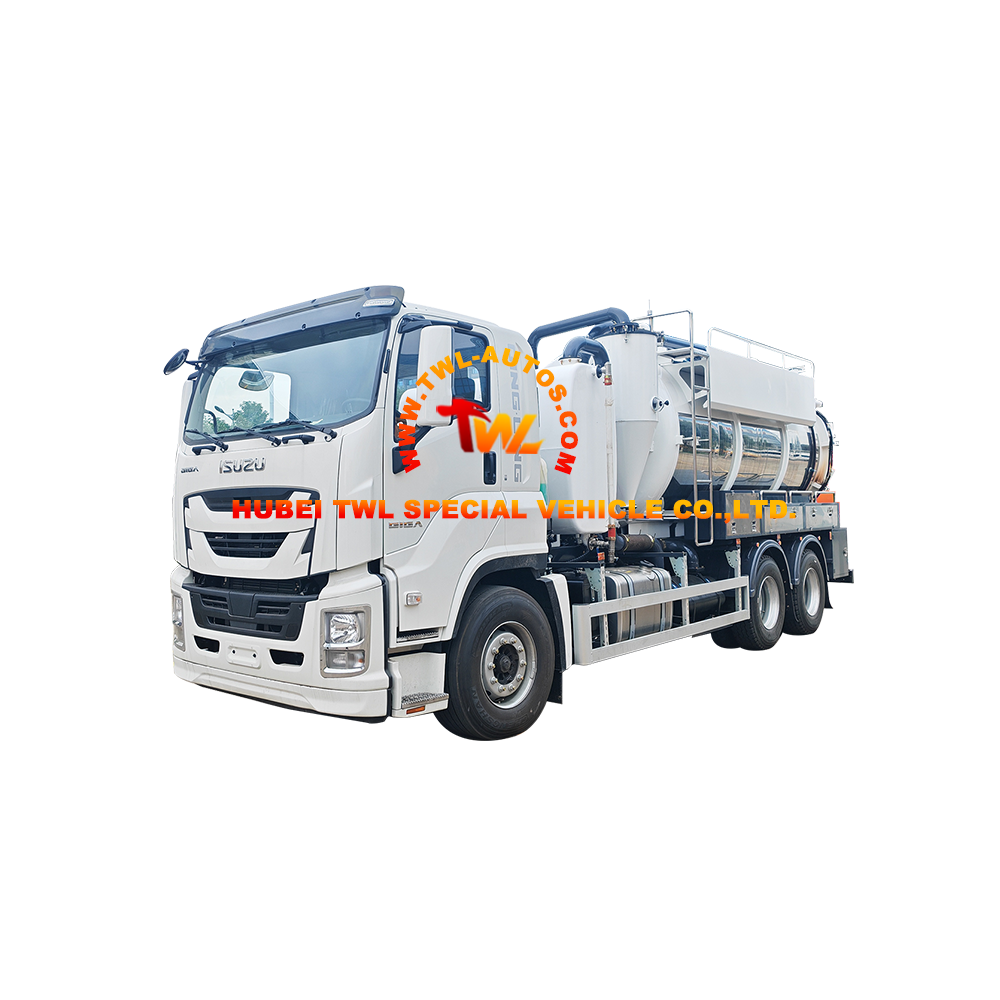
An isuzu vacuum truck mainly relies on a vacuum pump to generate negative pressure inside the tank. This pressure difference allows sludge, sewage, and liquid waste to be sucked into the storage tank through the suction hose.
When you understand this process, maintenance becomes easier and more accurate.
Key areas you should understand
● Vacuum pump operation
● Hydraulic power transmission
● Pressure control system
● Tank sealing structure
● Suction hose airflow circulation
In one case from Southeast Asia, a contractor experienced continuous suction loss for several weeks. The issue was eventually traced back to a damaged sealing gasket rather than the vacuum pump itself. A basic understanding of the system could have saved both repair time and unnecessary replacement costs.
Establish A Regular Maintenance Routine
One of the biggest mistakes operators make is waiting until the truck fails before servicing it. A professional maintenance schedule helps you identify potential problems early.
If you operate multiple trucks, creating a maintenance logbook is highly recommended. This practice is widely adopted by many large fleet owners and municipal contractors.
A good routine usually includes:
| Maintenance Item | Frequency | Purpose | Importance |
|---|---|---|---|
| Engine inspection | Daily | Prevent engine failure | High |
| Vacuum pump check | Daily | Maintain suction power | High |
| Hydraulic inspection | Weekly | Avoid leakage | Medium |
| Tank cleaning | After operation | Prevent corrosion | High |
| Filter replacement | Monthly | Improve airflow | Medium |
Benefits of routine maintenance
● Lower repair costs
● Longer equipment lifespan
● Better suction efficiency
● Reduced downtime
● Improved operational safety
You may notice that operators who strictly follow service schedules often keep their isuzu vacuum truck for sale value much higher in the second-hand market.
Use Proper Lubrication For Vacuum Pump System
The vacuum pump is the heart of your truck. Without proper lubrication, internal friction can quickly damage bearings, rotors, and seals.
Different vacuum pump models require different lubricants. Always follow the recommendations from your isuzu vacuum truck manufacturer.
Important lubrication considerations
● Use high-quality vacuum pump oil
● Avoid mixing oil brands
● Check oil level before operation
● Replace contaminated oil immediately
● Monitor oil temperature regularly
Sometimes operators try to reduce costs by using cheaper hydraulic oil in vacuum pumps. Honestly… this usually creates bigger expenses later. Poor lubrication can cause overheating and permanent internal wear.
A maintenance engineer from a municipal fleet in Brazil once reported that simply switching to OEM-grade vacuum oil reduced pump failures by nearly 30% over one year.
Maintain Clean Suction System And Tank
Dirty tanks and blocked pipelines are among the most common causes of reduced suction performance.
After every operation, you should flush the tank thoroughly. Sludge residue left inside the tank can harden over time and cause corrosion.
Areas requiring regular cleaning
● Suction hoses
● Tank interior walls
● Drainage valves
● Airflow pipelines
● Filter components
Many experienced operators believe tank cleaning is “optional” after light-duty work. In practice, even minor residue buildup can affect airflow efficiency over time.
This is especially important if your isuzu vacuum truck supplier provides trucks for industrial chemical cleaning or hazardous waste transportation.
Common cleaning methods
| Cleaning Method | Application | Advantage | Limitation |
|---|---|---|---|
| Water flushing | Daily cleaning | Fast and simple | Limited for grease |
| High-pressure washing | Heavy sludge | Strong cleaning power | Higher water use |
| Chemical cleaning | Industrial waste | Removes stubborn residue | Requires caution |
| Air purge cleaning | Pipeline cleaning | Quick drying | Lower deep-cleaning ability |
Monitor Pressure And Vacuum Performance Regularly
Monitoring system pressure is essential for maintaining stable suction performance.
When vacuum pressure drops unexpectedly, it may indicate:
● Air leakage
● Damaged seals
● Vacuum pump wear
● Hose blockage
● Pressure valve malfunction
Professional operators usually install pressure monitoring gauges to track daily system performance.
Signs of unstable vacuum performance
● Slow suction speed
● Increased fuel consumption
● Unusual pump noise
● Reduced tank loading efficiency
● Irregular pressure readings
You should never ignore small pressure fluctuations. Sometimes a tiny seal leak can gradually damage the entire vacuum system.
Inspect Hydraulic System For Stability
The hydraulic system controls many operational movements of the truck, including tank lifting and valve operation.
Hydraulic failure can stop the entire truck from functioning properly.
Hydraulic system maintenance tips
● Inspect hydraulic hoses weekly
● Replace damaged seals immediately
● Monitor hydraulic oil quality
● Check cylinder movement smoothness
● Avoid hydraulic overheating
One interesting thing many operators overlook is hydraulic oil contamination. Tiny metal particles can circulate through the system and gradually damage valves and pumps.
This becomes even more important when you buy isuzu vacuum truck units for heavy industrial applications.
Replace Worn Parts In Time
Delaying replacement of worn components often creates chain-reaction failures.
For example, a damaged suction hose may allow air leakage, which increases vacuum pump workload and eventually damages internal pump components.
Parts with high wear rates
● Rubber seals
● Filters
● Suction hoses
● Bearings
● Vacuum valves
A preventive replacement strategy is always cheaper than emergency repair.
Many professional fleet managers purchase spare parts directly from a trusted china vacuum truck manufacturer to reduce long-term maintenance costs.
Follow Manufacturer Maintenance Guidelines
Every isuzu vacuum truck manufacturer provides technical maintenance recommendations based on vehicle design and operating conditions.
Ignoring these guidelines can shorten equipment lifespan and even void warranty coverage.
Why manufacturer guidelines matter
● Ensure proper maintenance intervals
● Maintain warranty compliance
● Improve equipment reliability
● Reduce operational risks
● Increase resale value
You should also train operators regularly. Surprisingly, many vacuum truck failures are caused by incorrect operating habits rather than mechanical defects.
Daily Maintenance Checklist For Isuzu Vacuum Truck
Engine Inspection Before Operation
Daily engine inspection helps prevent sudden operational shutdowns.
Key engine checks
● Engine oil level
● Coolant condition
● Battery voltage
● Fuel leakage
● Belt tension
A quick 10-minute inspection before operation can prevent expensive downtime later.
Vacuum Pump Oil Check
Vacuum pump oil should always remain clean and within the recommended level range.
Signs of oil problems
● Dark oil color
● Burnt smell
● Foaming oil
● Metal particles
● Excessive temperature
If the oil looks contaminated, replace it immediately.
Hose & Pipeline Inspection
Hoses and pipelines directly affect suction performance.
Common inspection points
● Cracks on hoses
● Loose clamps
● Pipeline blockage
● Air leakage
● Internal wear
Even a small crack may reduce vacuum efficiency significantly.
Tank Cleaning After Use
Cleaning the tank after operation is critical for preventing corrosion and residue buildup.
Tank cleaning recommendations
● Flush with clean water
● Remove sludge residue
● Inspect internal coating
● Dry tank properly
● Check drainage valve condition
Weekly And Monthly Maintenance Schedule
Hydraulic System Inspection
Inspect all hydraulic connections carefully.
Areas to inspect
● Hydraulic hoses
● Oil cylinders
● Connection joints
● Oil tank contamination
● Pressure stability
Vacuum Pump Lubrication
Lubrication intervals should follow operational intensity.
Heavy-duty operation often requires more frequent lubrication.
Filter Replacement
Dirty filters reduce airflow and suction efficiency.
Common filter issues
● Restricted airflow
● Increased pump workload
● Reduced vacuum pressure
● Overheating risks
● Dust contamination
Pressure Testing
Pressure testing helps identify hidden system leaks.
Professional operators typically perform pressure tests monthly.
Common Problems And Troubleshooting In Isuzu Vacuum Truck
Weak Suction Power
Possible causes include:
● Hose leakage
● Worn vacuum pump
● Blocked filters
● Loose valves
● Tank seal damage
Vacuum Pump Failure
Pump failure may result from:
● Poor lubrication
● Overheating
● Internal wear
● Contaminated oil
● Excessive operating hours
Hydraulic Leakage
Hydraulic leakage usually occurs around seals and hose joints.
Prevention tips
● Replace seals regularly
● Avoid excessive pressure
● Inspect hoses frequently
● Use quality hydraulic oil
● Tighten loose fittings
Tank Pressure Drop Issues
Pressure instability often indicates leakage or valve malfunction.
You should inspect:
● Safety valves
● Pressure gauges
● Tank seals
● Pipeline joints
● Vacuum pump performance
Choosing Reliable Supplier For Isuzu Vacuum Truck Maintenance Support
Why Manufacturer Support Matters
Choosing the right isuzu vacuum truck supplier can greatly affect your long-term operational costs.
Reliable suppliers provide:
● Technical guidance
● Spare parts support
● Warranty service
● Operator training
● Fast troubleshooting assistance
Spare Parts Availability
Delayed spare parts delivery can stop projects completely.
Professional buyers usually prioritize suppliers with stable OEM inventory support.
Technical Service & After-Sales Support
Strong after-sales support is often more valuable than a slightly lower purchase price.
When selecting a china vacuum truck manufacturer, always evaluate:
| Evaluation Factor | Why It Matters |
|---|---|
| Spare parts stock | Faster repairs |
| Technical support | Easier troubleshooting |
| Export experience | Better documentation |
| Warranty policy | Reduced risk |
| Maintenance guidance | Longer truck lifespan |
Maintenance Cost And Service Considerations
Maintenance costs vary depending on operating conditions, workload intensity, and service quality.
Major maintenance expenses
● Vacuum pump servicing
● Hydraulic oil replacement
● Hose replacement
● Engine maintenance
● Filter replacement
In many cases, preventive maintenance reduces annual repair costs dramatically.
Fleet operators who ignore regular servicing often face expensive emergency repairs later.
Where To Buy Isuzu Vacuum Truck
Buying From Manufacturer Vs Dealer
Buying directly from an isuzu vacuum truck manufacturer often provides:
● Better pricing
● Technical customization
● OEM support
● Faster spare parts supply
● More configuration options
Dealers may offer local support, but factory-direct purchasing is usually more cost-effective for bulk buyers.
China Isuzu Vacuum Truck Market Advantages
Today, many buyers prefer sourcing from a china vacuum truck manufacturer because of:
● Competitive pricing
● Large production capacity
● Custom engineering solutions
● Export experience
● Flexible configurations
China has become one of the largest global production bases for sanitation and vacuum trucks.
Cost Considerations
Before you buy isuzu vacuum truck units, consider:
● Shipping costs
● Spare parts availability
● Import taxes
● Maintenance support
● Fuel efficiency
A cheaper initial price does not always mean lower total ownership cost.
FAQ
Why Is Vacuum Truck Overheating?
Overheating is usually caused by poor lubrication, blocked airflow, excessive workload, or cooling system failure.
How Often Should Vacuum Pump Oil Be Changed?
Most operators replace vacuum pump oil every 500–1000 operating hours, depending on working conditions.
Why Is My Vacuum Truck Losing Suction Power?
Possible reasons include hose leakage, worn seals, blocked filters, or vacuum pump damage.
How Do You Increase Vacuum Suction Efficiency?
Regular cleaning, proper lubrication, pressure testing, and timely replacement of worn parts can improve suction efficiency.
How Often Should An Isuzu Vacuum Truck Be Serviced?
Daily inspections are recommended, while major maintenance should usually be performed monthly or according to manufacturer guidelines.
Conclusion
Maintaining your isuzu vacuum truck properly is not just about preventing breakdowns — it is about protecting your investment and maximizing operational efficiency. From vacuum pump lubrication to hydraulic inspections and pressure monitoring, every maintenance step contributes to longer equipment lifespan and lower repair costs. If you plan to expand your fleet or upgrade equipment, working with a professional isuzu vacuum truck supplier or reliable china vacuum truck manufacturer can provide better technical support and spare parts availability. Whether you want to improve fleet performance or buy isuzu vacuum truck units for new projects, consistent maintenance will always deliver long-term value and reliability.