Introduction
Across many developing countries, fire departments are under pressure to improve emergency response while working with limited budgets and difficult infrastructure. That is exactly why isuzu fire trucks continue to gain popularity worldwide. You can find them operating in crowded cities, industrial zones, rural villages, and even airport rescue units because they combine affordability, reliability, and practical performance in real-world firefighting conditions.
Why Isuzu Fire Trucks Are Popular In Developing Countries
When you look at firefighting operations in Asia, Africa, South America, and parts of the Middle East, you quickly notice one thing — municipalities prefer equipment that is dependable, easy to maintain, and cost-efficient. In many cases, you are not simply purchasing a vehicle; you are investing in long-term emergency capability.
That is where isuzu fire engine models have built a strong reputation.
Affordable Procurement Budget For Municipalities
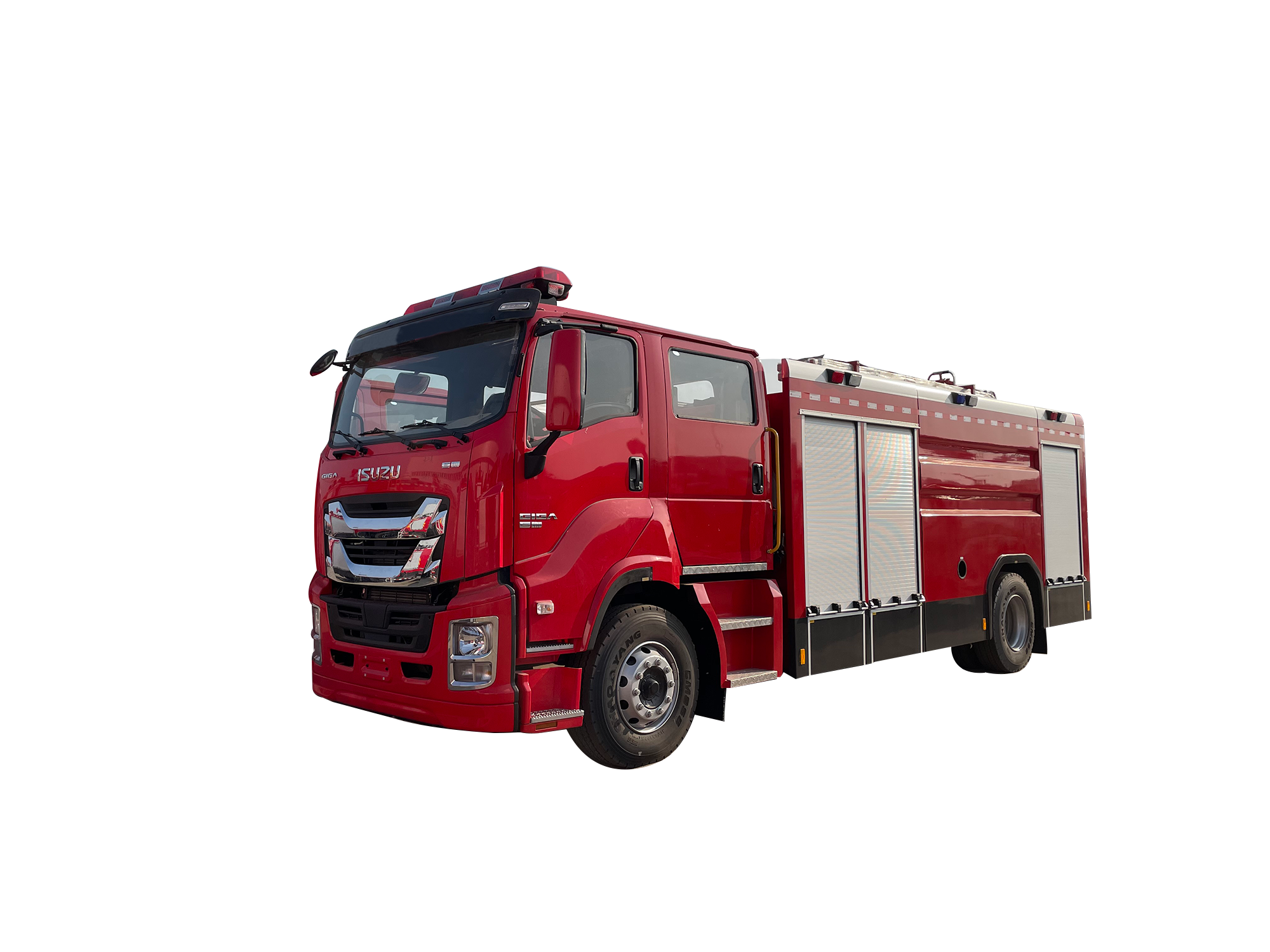
One major reason why governments and municipal buyers prefer fire truck for developing countries projects based on Isuzu chassis is affordability. Compared with premium European brands, Isuzu-based units offer excellent functionality at a much lower acquisition cost.
For procurement officers, this matters a lot.
You may have limited annual budgets, aging fleets, or rapidly expanding urban populations. Spending excessively on imported European fire apparatus can become financially unrealistic. Meanwhile, buy isuzu fire truck searches have increased steadily because buyers are looking for practical alternatives that still provide dependable firefighting performance.
A few important advantages include:
● Lower initial purchasing costs
● Reduced operational expenses
● Better fuel economy for daily deployment
● Lower repair and maintenance costs
● Easier financing for municipal projects
In countries like Indonesia, Kenya, and the Philippines, several municipal departments have replaced outdated second-hand fire engines with newly manufactured Isuzu-based trucks imported from China and Japan. Many procurement managers report that maintenance costs dropped noticeably after the switch.
You can also see another trend emerging… developing regions increasingly prefer standardized fleets. Since Isuzu commercial trucks are already common in logistics and transportation sectors, mechanics are already familiar with the chassis platform. That reduces training time and spare parts complexity.
Adaptability To Poor Road Conditions
Road conditions in developing countries are not always ideal — and honestly, that is putting it mildly.
You may encounter:
● Narrow urban streets
● Flood-prone roads
● Rural dirt tracks
● Mountain routes
● Congested industrial districts
This is exactly where isuzu fire trucks perform exceptionally well.
Unlike some heavy European fire engines that are optimized mainly for smooth urban infrastructure, Isuzu platforms are widely recognized for their flexibility and durability under rough operating environments.
Many rural fire departments prefer medium-duty isuzu fire engine configurations because they can maneuver through difficult terrain more easily. Shorter wheelbase models are especially useful for villages and densely populated city districts.
In parts of Africa, local emergency departments have adapted Isuzu fire trucks with reinforced suspensions and larger water tanks to support long-distance emergency operations where hydrant systems are limited.
And frankly… versatility matters more than luxury in these markets.
Simple Operation For Fire Departments
Another reason municipalities continue to choose isuzu fire truck manufacturer solutions is operational simplicity.
Not every fire department has access to highly specialized technicians or advanced operator training programs. Complex digital systems may look impressive, but they can create unnecessary complications during real emergencies.
With Isuzu-based units, operators benefit from:
● Straightforward driving controls
● Familiar commercial truck systems
● Simplified pump operation
● Easier daily inspection procedures
● Faster operator training
This simplicity becomes extremely valuable in smaller towns where volunteer firefighters may operate the vehicles.
In one Southeast Asian municipality, a fire department reduced driver training time by nearly 30% after transitioning from older imported European units to locally supported Isuzu chassis models. The operators felt more confident, especially during emergency deployment in crowded urban environments.
You could say practicality beats complexity here.
High Efficiency In Emergency Response
Emergency response speed can determine whether a fire is contained or becomes catastrophic.
Modern isuzu fire trucks are designed for fast deployment, stable water pumping performance, and efficient maneuverability. Their balance between engine power and vehicle weight allows quicker response times in both urban and rural conditions.
Several key operational strengths include:
● Fast acceleration during dispatch
● Stable pumping systems
● Reliable water and foam delivery
● Efficient fuel consumption
● Better mobility in traffic congestion
For example, industrial fire units operating in manufacturing parks often choose Isuzu foam fire engines because they can respond quickly while carrying sufficient firefighting equipment.
You may also notice that many airport auxiliary rescue units in developing nations use compact Isuzu rapid intervention trucks. These smaller emergency vehicles are ideal for first-response scenarios before larger firefighting apparatus arrive.
What Makes Isuzu Fire Trucks Stand Out In The Global Market?
The global firefighting industry is highly competitive. Buyers today compare equipment carefully, especially when balancing cost versus long-term reliability.
Still, isuzu fire truck supplier companies continue expanding exports year after year.
Why?
Because the trucks consistently deliver practical value.
Strong Engine Performance And Reliability
At the heart of every reliable fire engine is its powertrain.
Isuzu diesel engines are globally respected for durability and long service life. Many commercial operators already trust Isuzu trucks in cargo transport, construction, and municipal services. That reputation naturally extends into emergency vehicle applications.
Key performance benefits include:
● Stable diesel engine output
● Long operational lifespan
● Excellent fuel efficiency
● Strong torque under load
● Reliable high-temperature operation
In tropical climates, overheating can become a serious issue for emergency fleets. However, Isuzu engines are known for stable performance even in high ambient temperatures.
That reliability is especially important when your firefighters may operate continuously for hours during industrial fires or forest fire emergencies.
Cost-Effective Compared To European Fire Trucks
European fire apparatus manufacturers certainly produce advanced vehicles… but they are often extremely expensive.
For developing countries, cost efficiency frequently becomes the deciding factor.
Below is a simple comparison table many procurement teams consider during evaluation:
| Feature | Isuzu Fire Trucks | European Fire Trucks | Used Imported Fire Trucks |
|---|---|---|---|
| Purchase Cost | Moderate | Very High | Low |
| Maintenance Cost | Low | High | Unstable |
| Spare Parts Availability | Excellent | Limited in Some Regions | Difficult |
| Fuel Efficiency | High | Medium | Low |
| Road Adaptability | Excellent | Moderate | Poor |
This explains why many government tenders prioritize isuzu fire truck price competitiveness alongside operational reliability.
You are not sacrificing essential firefighting capabilities. Instead, you are optimizing long-term fleet sustainability.
That distinction matters enormously.
Easy Maintenance And Spare Parts Availability
Maintenance accessibility is one of the most overlooked purchasing factors in emergency vehicle procurement.
A truck may look excellent on paper, but if spare parts are unavailable locally, downtime becomes a nightmare.
Fortunately, Isuzu has an enormous global commercial vehicle ecosystem. Mechanics can source many replacement components relatively easily compared with more specialized European systems.
Advantages include:
● Widely available spare parts
● Lower maintenance skill requirements
● Faster repair turnaround
● Large global service network
● Lower fleet downtime risk
In Latin America, several municipalities specifically switched to isuzu fire engine fleets because imported European units experienced excessive delays waiting for replacement parts.
And honestly… emergency vehicles cannot afford long repair delays.
Key Applications Of Isuzu Fire Trucks In Developing Regions
One major advantage of Isuzu-based firefighting units is flexibility. These vehicles can be configured for multiple emergency applications depending on regional needs.
Urban Firefighting Services
Urban departments commonly use medium-capacity isuzu fire trucks for residential and commercial firefighting.
Their compact maneuverability is ideal for:
● Dense city traffic
● Narrow streets
● Apartment districts
● Shopping centers
● Urban industrial zones
Many Asian megacities rely heavily on compact fire engines because oversized apparatus simply cannot navigate congested roads efficiently.
Industrial And Factory Fire Protection
Industrial fires require specialized response systems, particularly foam suppression capabilities.
Factories, oil storage terminals, logistics parks, and chemical plants frequently utilize customized Isuzu foam fire engines because they combine strong pump performance with manageable operating costs.
Typical industrial configurations may include:
● Foam proportioning systems
● High-capacity pumps
● Large water tanks
● Chemical-resistant equipment
● Rescue and ventilation tools
In export manufacturing regions, industrial operators often prefer locally serviceable fleets to minimize operational interruptions.
Rural And Remote Area Fire Response
Rural firefighting presents very different challenges.
Hydrant systems may not exist. Roads can be rough. Water access may be limited.
This is why fire truck for developing countries solutions often prioritize larger onboard water storage and enhanced off-road capability.
Common rural applications include:
● Forest fire response
● Agricultural fire protection
● Village emergency response
● Mountain rescue support
● Long-distance water transport
Several African municipalities now deploy 4×4 Isuzu firefighting units specifically designed for remote emergency operations.
That trend is growing quickly.
Airport And Port Fire Safety Units
Airports and seaports require rapid-response emergency capability.
Compact Isuzu rapid intervention vehicles are increasingly used for:
● Aircraft standby operations
● Fuel fire response
● Port facility emergencies
● Cargo terminal protection
● Hazardous material incidents
These specialized vehicles are valued because they combine mobility, reliability, and lower acquisition costs compared with massive airport crash tenders.
For smaller regional airports, that balance is incredibly attractive.
FAQ
Are Isuzu Fire Trucks Reliable For Rural Firefighting?
Yes. isuzu fire trucks are widely recognized for reliability in rural operations because of their durable chassis, fuel-efficient diesel engines, and adaptability to rough road conditions. Many rural departments also prefer them because maintenance is simpler compared with larger imported fire apparatus.
Which Isuzu Fire Truck Model Is Best For Small Cities?
Medium-duty models such as the Isuzu FTR and Isuzu NPR fire engines are often considered ideal for small cities. They offer good maneuverability, sufficient water tank capacity, and lower operating costs.
Can Isuzu Fire Trucks Operate On Rough Terrain?
Absolutely. Many configurations are specifically designed for difficult terrain and remote operations. Reinforced suspension systems and 4×4 drivetrain options are available for challenging environments.
What Is The Lifespan Of An Isuzu Fire Truck?
With proper maintenance, an isuzu fire engine can operate effectively for 15–25 years depending on usage conditions, maintenance quality, and operating environment.
Are Spare Parts For Isuzu Fire Trucks Easy To Find?
Yes. One major advantage of choosing an isuzu fire truck supplier is the global availability of Isuzu commercial vehicle components and service support networks.
What Countries Import The Most Isuzu Fire Trucks?
Common import markets include the Philippines, Indonesia, Nigeria, Kenya, Peru, Bangladesh, and several Middle Eastern countries.
Is Isuzu Better Than European Fire Truck Brands?
It depends on operational priorities. European fire trucks may offer more advanced technology, but isuzu fire trucks typically provide better affordability, easier maintenance, and stronger practicality for developing regions.
What Is Included In A Standard Isuzu Fire Truck Configuration?
Most standard configurations include:
● Water tank
● Fire pump
● Hose reel system
● Firefighting nozzles
● Emergency lighting
● Storage compartments
● Ladder and rescue tools
Customization options are also widely available through many fire engine manufacturer companies.
Conclusion
For municipalities, industrial operators, and emergency response departments across developing countries, isuzu fire trucks continue to represent one of the most practical firefighting solutions available today. You benefit from reliable engine performance, lower operational costs, easier maintenance, and strong adaptability to difficult infrastructure conditions. Whether you need urban firefighting vehicles, rural emergency units, or industrial foam fire engines, Isuzu-based platforms deliver dependable long-term value without excessive procurement costs.
If you are planning to buy isuzu fire truck units for your municipality or emergency fleet, working with an experienced isuzu fire truck manufacturer and trusted isuzu fire truck supplier can help you obtain customized configurations, competitive pricing, and reliable after-sales support for your market.