Introduction
Fire trucks are critical emergency response vehicles that must perform reliably under extreme conditions. When a fire emergency occurs, firefighters depend on their vehicles to arrive quickly, operate efficiently, and deliver firefighting capabilities without unexpected failures.
An Isuzu Fire Truck combines a reliable Isuzu chassis with specialized firefighting systems, including water tanks, fire pumps, pipelines, control systems, and rescue equipment. However, even high-quality firefighting vehicles require regular inspection and professional maintenance to maintain their performance throughout their service life.
Unlike ordinary commercial trucks, fire engines operate under demanding conditions. Frequent emergency acceleration, heavy loads, long periods of standby operation, and exposure to water and harsh environments can gradually affect mechanical and electrical components.
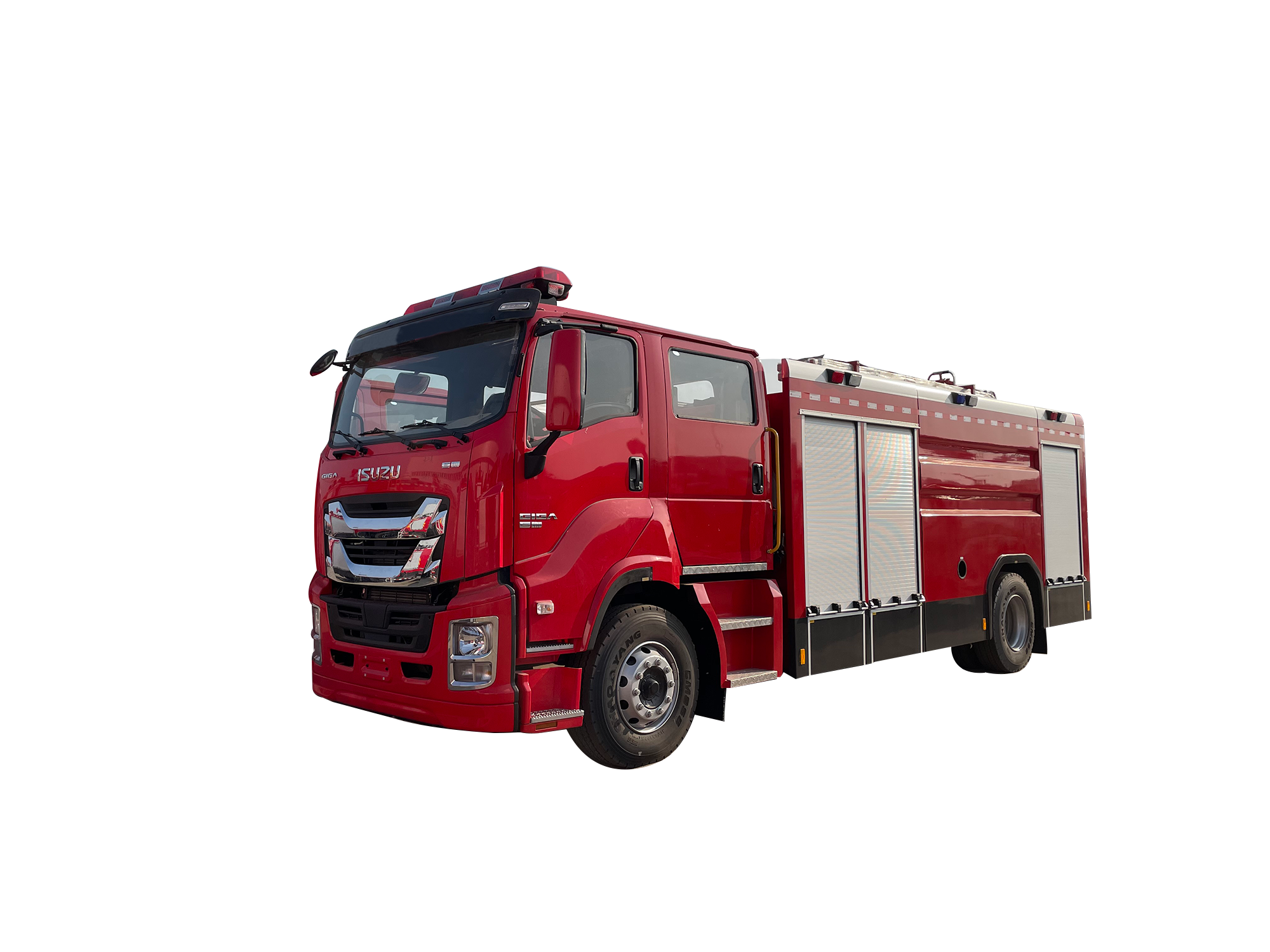
A proper Fire Truck Maintenance program helps identify potential issues before they become major failures. Regular Fire Truck Inspection Checklist procedures can improve operational safety, reduce unexpected Fire Truck Repair costs, and ensure the vehicle is always prepared for emergency missions.
For fire departments, municipalities, and fleet operators, choosing a reliable Isuzu Fire Truck Supplier is only the first step. Establishing a complete maintenance strategy is equally important for protecting the investment and maximizing vehicle reliability.
Why Regular Maintenance Is Important For An Isuzu Fire Truck
Regular maintenance ensures that every component of an Isuzu Fire Truck works correctly when firefighters need it most. Preventive maintenance is not only about repairing existing problems but also about preventing failures before they affect emergency response operations.
A professional maintenance plan includes mechanical inspections, firefighting system checks, electrical testing, equipment verification, and detailed service records.
For organizations operating multiple firefighting vehicles, systematic Fire Engine Maintenance also helps improve fleet management efficiency and reduce long-term ownership costs.
2.1 Ensure Reliable Emergency Response Performance
The primary purpose of a fire truck is emergency response. A delayed vehicle caused by mechanical failure can directly affect firefighting efficiency and safety.
Regular Fire Truck Service ensures that essential systems remain operational, including:
* Engine performance and power output
* Brake and transmission systems
* Fire pump operation
* Water delivery pipelines
* Emergency lighting and warning systems
* Communication and control equipment
During emergency operations, fire trucks often experience rapid acceleration, high engine loads, and continuous pump operation. Without regular inspections, small problems such as worn belts, damaged hoses, fluid leakage, or electrical faults may develop into serious failures.
A detailed Fire Truck Inspection Checklist allows maintenance teams to identify these risks early. For example, checking fire pump pressure regularly helps confirm that the pump can deliver the required water flow during firefighting operations.
For municipal fire departments and industrial emergency teams, maintaining immediate vehicle readiness is a key requirement. A well-maintained Isuzu Fire Truck provides confidence that the vehicle can respond quickly whenever an emergency occurs.
Contact TWL For Professional Fire Truck Manufacturing Support →
2.2 Reduce Fire Truck Repair Costs And Downtime
Unexpected breakdowns are one of the biggest challenges for firefighting vehicle operators. Emergency vehicles cannot afford extended downtime because availability directly affects response capability.
Regular Fire Truck Maintenance helps reduce repair costs by detecting issues during early stages.
For example:
| Maintenance Issue | Without Regular Inspection | With Preventive Maintenance |
|---|---|---|
| Engine oil deterioration | Engine wear and expensive repairs | Scheduled oil replacement |
| Fire pump leakage | Reduced firefighting performance | Early seal replacement |
| Electrical system failure | Emergency equipment malfunction | Routine electrical testing |
| Pipeline corrosion | Water delivery failure | Regular cleaning and inspection |
Preventive maintenance is usually much more cost-effective than emergency repairs. Replacing a small damaged component during routine service is significantly cheaper than repairing a failed engine, pump system, or electrical control unit.
A proper maintenance schedule also reduces vehicle downtime. Fire departments can plan service periods instead of taking vehicles out of operation unexpectedly.
For companies purchasing commercial firefighting vehicles, maintenance costs should be considered during the vehicle selection process. Working with an experienced Isuzu Fire Truck Supplier can help buyers choose configurations that are easier to maintain and support throughout the vehicle lifecycle.
Request A Fire Truck Maintenance-Friendly Configuration From TWL →
2.3 Extend The Service Life Of Fire Fighting Vehicles
An Isuzu Fire Truck represents a significant investment for governments, fire departments, and industrial organizations. Proper maintenance helps maximize the return on this investment by extending vehicle service life.
A complete Fire Engine Maintenance program protects key systems, including:
* Engine and chassis components
* Fire pump assembly
* Water tank structure
* Hydraulic and pneumatic components
* Electrical control systems
* Firefighting accessories
Regular inspection prevents excessive wear and keeps components operating within recommended conditions.
For example, corrosion inside water pipelines or tanks can gradually reduce firefighting efficiency. Routine cleaning and inspection help maintain water flow performance. Similarly, scheduled engine and chassis maintenance prevents premature mechanical failures caused by heavy-duty operation.
Many professionally maintained fire trucks can remain in service for many years. The actual lifespan depends on operating conditions, usage frequency, maintenance quality, and replacement of worn components.
Therefore, investing in regular Isuzu Fire Truck maintenance is not simply a repair activity. It is a long-term fleet management strategy that improves reliability, safety, and operational efficiency.
Isuzu Fire Truck Maintenance Checklist: Essential Inspection Items
A complete Isuzu Fire Truck Maintenance Checklist helps maintenance teams systematically inspect every critical component of the vehicle. Since fire trucks combine heavy-duty truck chassis with specialized firefighting systems, maintenance should cover both the driving system and firefighting equipment.
Unlike standard commercial vehicles, fire engines require additional inspections for water tanks, pumps, valves, pipelines, and emergency equipment. Following a structured Fire Truck Inspection Checklist reduces the risk of equipment failure during emergency operations.
The following inspection items are essential for maintaining reliable performance.
3.1 Engine And Chassis Maintenance
The engine and chassis are the foundation of an Isuzu Fire Truck. They support vehicle movement, load carrying, and continuous operation during emergency missions.
Regular engine and chassis maintenance should include:
* Engine oil inspection and replacement
* Cooling system inspection
* Brake system testing
* Transmission inspection
* Tire condition checking
* Suspension system inspection
* Steering system maintenance
* Battery condition testing
The Isuzu chassis is designed for durability and heavy-duty applications, but frequent emergency driving can increase stress on mechanical components. Rapid acceleration, sudden braking, and heavy equipment loads may accelerate wear on brakes, tires, and suspension parts.
Engine performance is especially important because the fire pump system often depends on stable power output. If the engine cannot maintain proper operating conditions, firefighting performance may be affected.
Maintenance teams should check for warning signs such as:
* Unusual engine noise
* Reduced power output
* Excessive exhaust smoke
* Oil leakage
* Abnormal temperature increases
Early detection allows technicians to complete Fire Truck Repair before small issues develop into major failures.
For fleet operators, keeping detailed service records for each vehicle helps track component replacement cycles and improves long-term maintenance planning.
3.2 Fire Pump System Inspection And Maintenance
The fire pump is one of the most important components of an Isuzu Fire Truck. It directly determines whether the vehicle can deliver sufficient water pressure and flow during firefighting operations.
A proper fire pump maintenance procedure should include:
* Checking pump pressure performance
* Inspecting pump seals and connections
* Testing valves and controls
* Checking lubrication points
* Cleaning internal components
* Verifying pressure gauges
A damaged or poorly maintained fire pump can significantly reduce firefighting efficiency. Common problems include:
* Low water pressure
* Pump leakage
* Difficulty starting the pump
* Unstable water flow
Regular testing ensures that the pump can operate according to required specifications when an emergency occurs.
Professional Fire Engine Maintenance should include operational testing rather than only visual inspection. Maintenance technicians should run the pump system periodically to confirm that all components work properly.
For organizations managing multiple fire trucks, establishing a standardized fire pump inspection process helps maintain consistent vehicle performance across the entire fleet.
Talk With TWL Experts About Reliable Fire Truck Solutions →
3.3 Water Tank And Pipeline System Inspection
The water tank and pipeline system are responsible for storing and delivering firefighting water. Regular inspection helps prevent leakage, corrosion, and reduced water delivery performance.
Important inspection points include:
* Water tank internal condition
* Tank welding points
* Pipeline connections
* Valves and fittings
* Water leakage detection
* Corrosion inspection
Because fire trucks frequently operate in humid environments, metal components may experience corrosion over time. This is especially important for vehicles exposed to seawater environments, industrial areas, or extreme weather conditions.
Maintenance teams should inspect:
* Tank surface damage
* Loose pipe connections
* Damaged seals
* Blocked pipelines
A small leak may reduce firefighting efficiency and create additional maintenance problems if ignored.
Regular cleaning of tanks and pipelines also helps maintain water quality and prevents contamination that could affect firefighting operations.
When purchasing an Isuzu Fire Truck, buyers should consider not only vehicle performance but also tank material quality, pipeline design, and after-sales maintenance support from the supplier.
3.4 Firefighting Equipment Inspection
Fire trucks carry various firefighting tools and accessories that must remain ready for immediate use.
A complete firefighting equipment inspection should include:
* Fire hoses
* Nozzles
* Ladders
* Foam systems
* Extinguishers
* Rescue tools
* Protective equipment
Common inspection tasks include:
* Checking hose damage or cracks
* Testing nozzle operation
* Confirming equipment mounting security
* Inspecting foam system performance
* Replacing expired safety equipment
Loose or damaged firefighting equipment can create safety risks during emergency operations. Therefore, equipment inspection should be included in every Fire Truck Maintenance Checklist.
For fire departments and industrial users, maintaining equipment availability is just as important as maintaining the vehicle itself.
3.5 Electrical And Safety System Maintenance
Modern Isuzu Fire Trucks include multiple electrical and safety systems designed to support emergency operations.
These systems include:
* Warning lights
* Sirens
* Communication equipment
* Control panels
* Battery systems
* Emergency lighting
Electrical system maintenance should include:
* Battery voltage testing
* Cable connection inspection
* Fuse checking
* Control panel testing
* Lighting system inspection
Electrical failures can affect emergency warning systems or firefighting controls, making routine inspection essential.
Technicians should also check for:
* Loose electrical connections
* Corrosion on terminals
* Damaged wiring
* Abnormal power consumption
A reliable electrical system ensures that firefighters can operate the vehicle safely in both daytime and nighttime emergency situations.
Daily Fire Truck Inspection Checklist Before Operation
A daily inspection routine is one of the simplest and most effective ways to improve fire truck reliability.
Before operating an Isuzu Fire Truck, drivers and operators should complete a basic Fire Truck Inspection Checklist to confirm that the vehicle is ready for service.
Daily inspections help identify problems early and prevent avoidable breakdowns during emergency response.
4.1 Exterior Inspection
The exterior inspection should be completed before starting the vehicle.
Operators should check:
* Vehicle body condition
* Tire pressure and damage
* Mirrors and windows
* Doors and compartments
* Warning lights
* Emergency signs and markings
Fire truck compartments should be checked to ensure equipment is properly stored and securely fixed.
Operators should also look for:
* Fluid leaks under the vehicle
* Damaged hoses
* Loose external components
A quick exterior inspection can help detect safety issues before vehicle operation.
4.2 Engine And Fluid Check
Before operation, drivers should inspect essential engine conditions.
Daily checks include:
* Engine oil level
* Coolant level
* Brake fluid
* Fuel level
* Battery condition
* Air pressure system
Low fluid levels or abnormal readings may indicate potential mechanical problems.
If any warning signs appear, the vehicle should be inspected by professional technicians before entering emergency service.
4.3 Fire Equipment Check
Firefighting equipment should be checked daily to ensure immediate availability.
Operators should confirm:
* Fire hoses are properly stored
* Nozzles are complete
* Valves operate correctly
* Pump controls function normally
* Equipment compartments are organized
A daily equipment check ensures firefighters do not encounter missing or damaged tools during emergencies.
4.4 Safety Equipment Check
Safety systems are essential for protecting firefighters and other road users.
Daily safety inspections should include:
* Siren operation
* Emergency lights
* Communication devices
* Seat belts
* Warning systems
These checks require only a few minutes but can significantly improve emergency response reliability.
A consistent daily inspection habit, combined with scheduled professional Fire Truck Service, creates a complete maintenance strategy for long-term vehicle performance.
Need A Reliable Isuzu Fire Truck Supplier? Contact TWL Today →
Recommended Maintenance Schedule For An Isuzu Fire Truck
Following a structured maintenance schedule is essential for keeping an Isuzu Fire Truck in reliable operating condition. While daily inspections help identify immediate issues, scheduled maintenance focuses on preventing component failure and maintaining long-term performance.
A professional Fire Truck Maintenance plan should combine routine operator checks with periodic technical inspections performed by qualified technicians.
The recommended maintenance frequency may vary depending on operating environment, emergency response frequency, climate conditions, and vehicle workload. However, the following schedule provides a practical reference for most fire departments and fleet operators.
5.1 Daily Maintenance
Daily maintenance is the first level of preventive care and should be completed before the fire truck enters service.
The daily maintenance checklist should include:
* Checking engine oil and fluid levels
* Inspecting tires and brakes
* Testing warning lights and sirens
* Checking firefighting equipment
* Inspecting water pump controls
* Confirming equipment storage condition
* Checking for visible leaks or damage
Daily inspections are usually performed by drivers or firefighters who operate the vehicle.
Although these checks are simple, they play an important role in identifying problems early. For example, discovering a leaking hose connection or low fluid level before an emergency mission can prevent unexpected equipment failure.
For emergency response vehicles, consistent daily maintenance is a basic requirement for ensuring operational readiness.
5.2 Weekly Maintenance
Weekly maintenance provides a deeper inspection compared with daily checks.
Recommended weekly inspection items include:
* Testing fire pump operation
* Checking water discharge performance
* Inspecting battery condition
* Checking electrical connections
* Examining hose and nozzle conditions
* Cleaning equipment compartments
* Checking tire wear patterns
The fire pump system should be operated regularly because long periods of inactivity may affect seals, valves, and mechanical components.
A fire truck that remains parked for extended periods can still experience deterioration. Battery discharge, corrosion, fluid degradation, and equipment aging may occur even when the vehicle is not frequently used.
Therefore, scheduled weekly inspections are important for maintaining emergency readiness.
5.3 Monthly Maintenance
Monthly maintenance requires a more comprehensive inspection of both the vehicle chassis and firefighting systems.
A monthly Fire Truck Maintenance Checklist should include:
#Vehicle System Inspection
* Engine performance evaluation
* Brake system inspection
* Suspension component checking
* Transmission condition assessment
* Steering system inspection
#Firefighting System Inspection
* Fire pump pressure testing
* Water tank inspection
* Pipeline and valve checking
* Foam system testing
* Control system inspection
Monthly maintenance allows technicians to detect early signs of wear that may not be visible during daily inspections.
For fleet managers, monthly inspections also provide valuable information for planning future Fire Truck Repair and replacement of aging components.
5.4 Annual Professional Service
Annual professional service is the most comprehensive maintenance stage for an Isuzu Fire Truck.
A qualified service team should perform:
* Complete vehicle inspection
* Engine diagnostic testing
* Fire pump performance testing
* Electrical system evaluation
* Safety equipment verification
* Replacement of worn components
* Maintenance record review
Annual service is especially important for vehicles operating in demanding environments such as:
* Municipal firefighting departments
* Industrial emergency response teams
* Airports
* Ports
* Mining operations
Professional annual maintenance helps ensure that the vehicle continues meeting operational requirements and safety expectations.
For organizations purchasing firefighting vehicles, selecting an experienced Isuzu Fire Truck Supplier with technical support capability can significantly simplify long-term maintenance management.
Common Isuzu Fire Truck Problems And Repair Solutions
Even well-designed firefighting vehicles may experience problems after extended operation. Regular maintenance can reduce failure risks, but understanding common issues helps operators respond quickly when problems occur.
The following are some common Isuzu Fire Truck Repair situations and recommended solutions.
6.1 Engine Performance Problems
The engine provides power for both vehicle movement and firefighting operations. Engine problems can affect response speed and overall vehicle reliability.
Common engine-related issues include:
* Reduced engine power
* Difficulty starting
* Overheating
* Excessive fuel consumption
* Abnormal engine noise
Possible causes include:
* Insufficient maintenance
* Dirty filters
* Cooling system problems
* Fuel system issues
* Worn engine components
Recommended solutions:
* Perform regular engine inspections
* Replace filters according to service schedules
* Check cooling system performance
* Use appropriate engine fluids
* Conduct professional diagnosis when abnormal symptoms appear
Preventive Fire Engine Maintenance can significantly reduce the possibility of serious engine damage.
6.2 Fire Pump Failure
Fire pump problems are among the most critical issues because they directly affect firefighting capability.
Common fire pump failures include:
* Low water pressure
* Pump unable to start
* Water leakage
* Unstable water flow
Possible causes include:
* Damaged seals
* Blocked pipelines
* Valve problems
* Insufficient maintenance
* Mechanical wear
Repair solutions include:
* Inspecting pump components
* Replacing damaged seals
* Cleaning pipelines
* Testing pressure performance
* Checking control systems
Regular fire pump testing is one of the most important parts of an Isuzu Fire Truck Maintenance Checklist because pump failure during an emergency can significantly impact firefighting operations.
6.3 Electrical System Failures
Electrical systems control many important fire truck functions, including warning lights, communication equipment, and control panels.
Common electrical problems include:
* Emergency lights not working
* Siren failure
* Control panel malfunction
* Battery problems
* Wiring issues
Possible causes:
* Battery aging
* Loose connections
* Corrosion
* Damaged wiring
* Electrical overload
Maintenance solutions include:
* Regular battery testing
* Inspecting electrical connections
* Cleaning corrosion from terminals
* Checking wiring conditions
* Replacing damaged electrical components
Electrical inspection should be included in every professional Fire Truck Service procedure.
How Proper Maintenance Prevents These Problems
Most fire truck failures do not happen suddenly. They usually develop from small issues that remain unnoticed.
For example:
* A small oil leak may eventually damage engine components.
* A minor pump seal problem may reduce water pressure.
* A loose electrical connection may cause emergency system failure.
Regular inspections allow operators to correct these issues before they become expensive repairs.
For fire departments and fleet operators, preventive maintenance is one of the most effective ways to protect vehicle availability and emergency response capability.
Looking For A Reliable Isuzu Fire Truck Manufacturer? Get In Touch With TWL →
How To Reduce Isuzu Fire Truck Maintenance Costs
Maintaining an Isuzu Fire Truck requires continuous investment, but proper management can significantly reduce long-term operating expenses. For fire departments, municipalities, and commercial operators, the goal is not to reduce maintenance frequency but to improve maintenance efficiency.
A well-planned Fire Truck Maintenance strategy helps prevent expensive failures, extend vehicle lifespan, and maximize operational availability.
The following methods can help reduce overall maintenance costs while maintaining emergency response reliability.
7.1 Follow Preventive Maintenance Plans
Preventive maintenance is one of the most effective ways to control Fire Truck Repair costs.
Instead of waiting for equipment failure, operators should follow a planned maintenance schedule based on:
* Vehicle operating hours
* Mileage
* Pump usage frequency
* Working environment
* Manufacturer recommendations
Preventive maintenance allows technicians to replace aging components before they fail.
For example:
* Replacing worn hoses prevents water leakage
* Changing engine oil prevents excessive engine wear
* Testing fire pumps prevents emergency operation failures
* Inspecting electrical systems prevents equipment malfunction
For firefighting fleets, planned maintenance is more economical than emergency repairs because unexpected downtime can create additional costs and operational risks.
7.2 Use Original Replacement Parts
Using suitable replacement parts is essential for maintaining the performance of an Isuzu Fire Truck.
Low-quality or incompatible components may reduce reliability and create additional repair requirements.
Original or high-quality replacement parts help ensure:
* Proper component compatibility
* Stable vehicle performance
* Longer service life
* Reduced failure frequency
Important components requiring quality control include:
* Engine parts
* Fire pump components
* Valves and fittings
* Electrical components
* Hydraulic parts
When selecting an Isuzu Fire Truck Supplier, buyers should consider whether the supplier can provide technical support, spare parts availability, and after-sales service.
A reliable supplier helps fleet operators maintain vehicles efficiently throughout their operational lifecycle.
7.3 Train Operators Properly
Operators play an important role in reducing maintenance costs.
Incorrect operation can accelerate vehicle wear and increase the possibility of damage.
Proper operator training should include:
* Correct driving techniques
* Fire pump operation procedures
* Daily inspection methods
* Emergency equipment handling
* Basic troubleshooting knowledge
Drivers who understand vehicle systems can identify unusual conditions earlier.
For example, recognizing abnormal engine sounds, unusual pump pressure, or electrical warnings can help maintenance teams solve problems before major damage occurs.
A trained operator team is an important part of an effective Fire Engine Maintenance program.
7.4 Keep Maintenance Records
Detailed maintenance records help improve vehicle management and reduce unnecessary costs.
Maintenance records should include:
* Service dates
* Inspection results
* Replaced components
* Repair history
* Operating conditions
* Future maintenance recommendations
These records allow fleet managers to understand vehicle conditions and plan maintenance budgets more accurately.
For organizations operating multiple fire trucks, digital maintenance records can help compare vehicle performance and identify recurring problems.
A complete maintenance history also increases the resale value and service transparency of firefighting vehicles.
Why Choose A Reliable Isuzu Fire Truck Supplier
Choosing the right supplier is an important decision for organizations purchasing firefighting vehicles.
A professional Isuzu Fire Truck Supplier should provide more than vehicle manufacturing. Buyers should consider technical expertise, customization capability, quality control, and long-term service support.
A reliable supplier can help customers select the right configuration based on their operational requirements, including:
* Water tank capacity
* Fire pump specifications
* Chassis selection
* Equipment configuration
* Regional regulations
TWL specializes in supplying special-purpose vehicles, including firefighting solutions designed for different application environments.
Working with an experienced manufacturer provides several advantages:
Professional Vehicle Configuration Support
Different users have different firefighting requirements. Municipal fire departments, industrial facilities, airports, and rescue organizations may require different vehicle specifications.
An experienced supplier can recommend suitable configurations based on:
* Response distance
* Fire risks
* Available water sources
* Operating environment
Quality Manufacturing Standards
A dependable fire truck manufacturer focuses on:
* Chassis reliability
* Firefighting system integration
* Component quality
* Vehicle safety performance
Quality manufacturing reduces future maintenance challenges and improves vehicle reliability.
Long-Term Technical Support
Fire trucks require ongoing service after delivery.
Reliable suppliers should provide:
* Maintenance guidance
* Spare parts support
* Technical consultation
* Operation training
For buyers, supplier selection is not only about purchasing a vehicle. It is about establishing a long-term partnership that supports vehicle performance throughout its service life.
FAQ
How Often Should An Isuzu Fire Truck Be Maintained?
The maintenance frequency depends on vehicle usage, operating environment, and manufacturer recommendations.
Daily inspections should be completed before operation, while professional maintenance should typically be performed according to scheduled intervals such as weekly, monthly, and annual service plans.
Regular Isuzu Fire Truck Maintenance helps prevent unexpected failures and keeps the vehicle ready for emergency response.
What Is Included In A Fire Truck Maintenance Checklist?
A complete Fire Truck Maintenance Checklist usually includes:
* Engine and chassis inspection
* Brake and tire checks
* Fire pump testing
* Water tank and pipeline inspection
* Electrical system testing
* Firefighting equipment inspection
* Safety system verification
A comprehensive checklist ensures that both vehicle and firefighting systems remain reliable.
How Do You Inspect A Fire Truck Before Operation?
A pre-operation inspection should include:
* Checking exterior conditions
* Inspecting tires and fluids
* Testing warning lights and sirens
* Checking firefighting equipment
* Confirming pump system readiness
A daily Fire Truck Inspection Checklist helps operators identify potential problems before emergency deployment.
What Are Common Fire Truck Repair Issues?
Common Fire Truck Repair issues include:
* Engine performance problems
* Fire pump failures
* Electrical system faults
* Pipeline leakage
* Equipment damage
Regular preventive maintenance can reduce the frequency and severity of these problems.
How Long Can An Isuzu Fire Truck Last With Proper Maintenance?
The service life of an Isuzu Fire Truck depends on operating conditions, maintenance quality, workload, and replacement of worn components.
With proper Fire Engine Maintenance, regular inspections, and timely repairs, many firefighting vehicles can provide reliable service for many years.
Conclusion
Regular maintenance is essential for maximizing the reliability, safety, and service life of an Isuzu Fire Truck.
Because fire trucks operate in demanding emergency environments, every system must remain ready for immediate use. From engine and chassis inspections to fire pump testing, water system checks, and electrical maintenance, a complete maintenance strategy helps prevent failures and reduce operating costs.
Following a structured Fire Truck Maintenance Checklist, performing daily inspections, and scheduling professional servicing can significantly improve vehicle availability.
For organizations purchasing firefighting vehicles, selecting an experienced Isuzu Fire Truck Supplier is equally important. A reliable supplier can provide quality vehicles, technical support, and long-term service solutions.
TWL provides professional special vehicle manufacturing solutions and supports customers with reliable firefighting vehicle options designed for different operational needs.