Introduction
When you start thinking about a tow truck business, the first question that hits you is probably money—how much you actually need, what you’ll spend it on, and whether it’s even realistic for you right now.
The truth is, startup costs can swing widely depending on whether you begin with one truck or build a full fleet from day one. In this guide, you’ll get a clear breakdown of real-world numbers, planning structure, profitability insights, and what experienced operators usually don’t tell you upfront.
If you’re a buyer or procurement decision-maker exploring a tow truck business plan, this is going to help you see the full financial picture without the guesswork.
How Much Money Do You Need To Start A Tow Truck Business?
The cost to start a tow truck business is not a fixed number—it depends heavily on your business scale, truck type, and whether you’re entering as an owner-operator or building a small fleet.
In most real-world cases, you’re looking at a range between:
● Low entry setup: $50,000 – $120,000
● Moderate single-truck operation: $120,000 – $250,000
● Multi-truck startup: $250,000 – $500,000+
This includes truck purchase, insurance, licensing, equipment, dispatch systems, and initial operating capital.
What you need to understand here is simple: cash flow matters more than just startup capital. Even a small tow truck business plan needs runway money for fuel, maintenance, and slow customer periods.
Tow Truck Business Startup Costs and How Much You Really Need
Tow Truck Business Startup Cost Breakdown
If you want to understand where your money actually goes, here’s a realistic breakdown based on industry averages.
| Cost Category | Estimated Range | Notes |
|---|---|---|
| Tow Truck Purchase | $40,000 – $180,000 | New vs used varies heavily |
| Insurance | $8,000 – $30,000/year | Commercial towing insurance is required |
| Licensing & Permits | $1,000 – $10,000 | Depends on state regulations |
| Equipment & Tools | $2,000 – $15,000 | Chains, winches, safety gear |
| Dispatch System | $1,000 – $6,000/year | Software + GPS tracking |
| Working Capital | $10,000 – $50,000 | Fuel, maintenance, payroll buffer |
What you’ll notice immediately is that the truck itself is only part of the equation. Many first-time buyers underestimate operational costs, which is where most early failures happen.
Key points you should keep in mind:
● Insurance costs can spike depending on claim history
● Used trucks reduce startup burden but increase maintenance risk
● Licensing delays can slow revenue generation
● Fuel volatility directly impacts profit margins
● Dispatch systems significantly improve efficiency
● Cash buffer is essential for survival in the first 6 months
How Much Money You Really Need (One Truck Model)
If you’re starting small, the one-truck model is the most realistic entry point into the industry.
A lean setup typically requires:
● $90,000 – $160,000 total investment
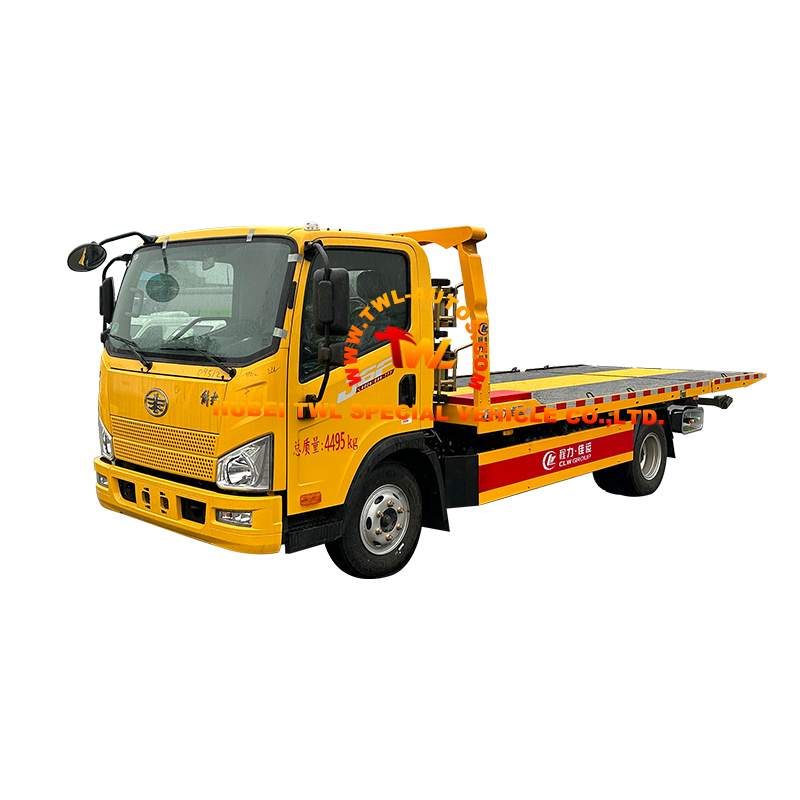
● One flatbed or wheel-lift tow truck
● Minimal staff (often just you initially)
This model is common among owner-operators who want control and gradual scaling.
In real-world cases, many operators report breaking even within 6–14 months if contracts are secured early.
Key insights for you:
● One truck means lower risk but slower scaling
● Your uptime becomes your income engine
● Local contracts matter more than equipment size
● Roadside assistance partnerships can stabilize cash flow
● You must personally manage operations at the beginning
● Profit depends heavily on dispatch efficiency
A lot of successful operators start exactly here—small, controlled, and hands-on.
Tow Truck Business Plan Essentials
A strong tow truck business plan is not just paperwork—it’s your financial survival framework.
If you’re presenting this to investors or planning procurement, you need structure in three areas: operations, revenue, and scalability.
Core components include:
● Market demand analysis in your service area
● Startup cost planning and funding structure
● Revenue model per tow and per contract
● Customer acquisition channels (police, private, insurance)
● Fleet expansion roadmap
Key points:
● Contracts are more stable than individual calls
● Urban areas generate higher call volume
● Night-time towing often yields premium pricing
● Seasonal fluctuations must be planned for
● Partnerships reduce dependency on marketing spend
Profitability & ROI of Towing Business
A tow truck business can be surprisingly profitable, but only when managed efficiently.
Typical earnings per truck:
● $5,000 – $20,000 monthly revenue per truck
● Profit margins around 10% – 35% depending on operations
ROI depends heavily on utilization rate and contract stability.
Key factors affecting profitability:
● Number of daily towing calls
● Distance per tow
● Fuel and maintenance costs
● Insurance premiums
● Contract vs retail customer ratio
Key points:
● Police contracts create stable baseline income
● Roadside assistance increases daily volume
● Long-distance towing improves per-job revenue
● Idle time directly reduces profitability
● Fleet scaling improves margin efficiency
In many cases, operators reinvest profits into additional trucks after year one or two, which accelerates ROI significantly.
Tow Truck Business for Sale vs Starting From Scratch
If you’re evaluating a tow truck business for sale, you’re essentially choosing between time and control.
Buying an existing business often includes:
● Existing customer base
● Active contracts
● Operational systems
● Established brand reputation
Starting from scratch gives you:
● Full control over strategy
● Lower acquisition cost
● Flexible scaling direction
Key comparison points:
● Buying reduces startup risk but increases upfront cost
● Starting requires more time but builds stronger margins
● Existing businesses may include outdated equipment
● New startups require more marketing effort
● Acquisition deals may include hidden liabilities
Key points:
● Due diligence is critical when buying
● Customer contracts are the real asset value
● Equipment condition determines immediate cash flow
● Location matters more than brand name
● Financing options differ significantly between both paths
Legal Requirements & Insurance Costs
This is where many new operators underestimate complexity.
To legally run a tow truck business, you typically need:
● Commercial towing license (varies by state)
● Business registration
● DOT compliance (for heavier vehicles)
● Commercial insurance coverage
Insurance alone can be one of your largest recurring costs.
Key points:
● Liability insurance is mandatory in most states
● Higher-risk zones increase premiums
● Driver background checks may be required
● Equipment compliance affects coverage eligibility
● CDL requirements depend on vehicle weight
FAQ
Is a tow truck business profitable?
Yes, it can be profitable with margins between 10% and 35% depending on efficiency.
How do I start a tow truck business with one truck?
You begin by purchasing a truck, securing insurance, and building local service contracts.
Do I need a CDL for a tow truck business?
It depends on truck weight and local regulations, not all setups require it.
What insurance do I need?
You need commercial towing liability insurance and vehicle coverage.
Can I start with no money?
Realistically, no—you’ll need at least partial funding or financing.
How long until I become profitable?
Most operators break even within 6 to 18 months.
What is the biggest expense in towing business?
Insurance and truck financing are usually the largest ongoing costs.
Is towing business recession-proof?
It is relatively stable because vehicle breakdowns always occur.
How many trucks do I need to start?
You can start with just one truck and scale gradually.
What is ROI in towing business?
ROI depends on utilization rate and can vary widely between operators.
What licenses are required?
Business license, towing permits, and sometimes DOT compliance.
How much do tow truck drivers make?
It varies widely, often between $40,000 and $100,000 annually.
What is the risk in towing business?
High insurance costs, vehicle damage, and inconsistent demand.
Is roadside assistance profitable?
Yes, it is one of the most stable revenue streams.
Can towing business scale easily?
Yes, scaling is common once contracts and systems are established.
Conclusion
Starting a tow truck business is not just about buying a truck—it’s about understanding cash flow, contracts, and operational control. If you plan carefully, your tow truck business plan becomes the difference between surviving and scaling.
Whether you choose a startup or a tow truck business for sale, your success depends on execution, not just investment size. If you’re serious about entering this industry, focus on building stable contracts first, then expand your fleet strategically.
Now is the time to evaluate your budget, define your entry model, and take the first practical step toward building a real transportation asset—not just a job.