Introduction
Towing a vehicle might seem straightforward—hook it up and go—but in reality, it’s a technical process that requires the right equipment, safety awareness, and proper methods.
Whether you’re handling a roadside emergency or managing a towing business, understanding how to tow car with truck safely can save you from costly damage, legal issues, and serious accidents.
Key Considerations Before Towing a Car with a Truck
Before you even connect a hook or chain, you need to evaluate a few critical variables. Skipping these steps is exactly how most towing failures happen.
Understand Towing Capacity
Your truck’s towing capacity defines the maximum load it can safely pull. This includes:
● Vehicle weight
● Cargo load
● Towing equipment weight
Exceeding this limit isn’t just inefficient—it’s dangerous. You risk overheating the engine, damaging the transmission, and losing control during braking.
Quick tip: Always leave a safety margin of at least 10–15% below the maximum towing capacity.
Choose the Right Towing Equipment
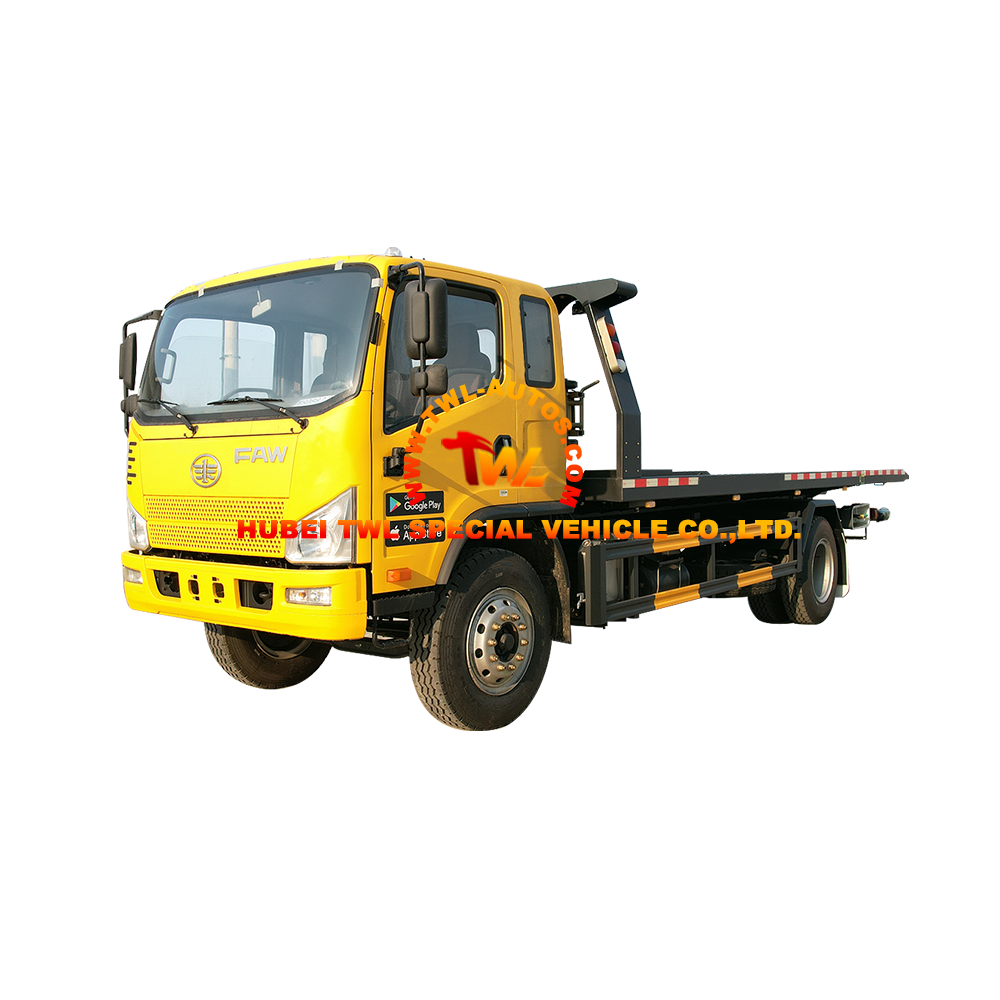
Not all towing setups are created equal. The equipment you choose directly impacts safety and efficiency.
| Equipment Type | Best For | Pros | Limitations |
| Tow Dolly | Front-wheel-drive cars | Affordable, easy to use | Not for all vehicles |
| Car Trailer | All vehicle types | Maximum safety | Higher cost |
| Tow Bar | Light-duty towing | Simple setup | Limited stability |
| Tow Chains | Emergency use | Cheap | High risk |
| Recovery Straps | Off-road recovery | Flexible | Not for transport |
Each method has a place—but using the wrong one is a common mistake, especially among beginners.
Check Local Towing Laws & Regulations
Towing laws vary by state, and yes—they are enforced.
You should always verify:
● Maximum towing distance between vehicles
● Safety flag requirements
● Brake and lighting compliance
● Speed limits while towing
For example, some U.S. states require a visible flag on chains and restrict towing distances to under 15 feet.
Ensure Vehicle Stability & Safety
Before moving, make sure everything is locked, balanced, and visible.
Key safety elements include:
Wheel chocks to prevent rolling
Safety chains as backup connections
Extended mirrors for visibility
Proper load distribution
If your setup feels unstable while stationary—it will be worse at 50 mph.
Risks of Improper Towing
Let’s be blunt—improper towing can go wrong fast.
●You might experience:
●Loss of vehicle control
●Brake failure or overheating
●Transmission damage
●Legal penalties or fines
●Severe road accidents
A real-world example: a small contractor once towed an SUV using only chains over a 20-mile distance. Halfway through, the chain snapped during braking—resulting in a rear-end collision and thousands in damages.
This is exactly why professionals rely on tow trucks, not improvisation.
5 Common Methods to Tow a Car with a Truck
Different situations require different towing methods. Let’s break them down clearly.
Method 1: Using a Tow Dolly
A tow dolly lifts the front wheels of the vehicle off the ground.
Best for:
● Front-wheel-drive vehicles
● Medium-distance towing
You’ll need to align the car carefully, secure the tires with straps, and release the parking brake.
It’s practical—but not foolproof.
Method 2: Using a Car Trailer
This is the gold standard.
A car trailer carries the entire vehicle, eliminating wear on tires and drivetrain.
Best for:
● Long-distance transport
● Expensive or damaged vehicles
If safety is your priority, this is your method.
Method 3: Using a Tow Bar
Tow bars connect directly between vehicles.
They’re:
● Easy to install
● Suitable for short distances
However, they lack the stability and safety features of trailers.
Method 4: Using Tow Chains (Emergency Only)
Chains should be your last resort.
Why?
● No braking support
● High risk of snapping
● Limited control
Use them only for short, low-speed towing—think under 5 miles.
Method 5: Using Recovery Straps
Recovery straps are not for towing—they’re for pulling vehicles out of difficult terrain.
Use cases:
● Mud
● Snow
● Ditches
Trying to use them for long-distance towing is a mistake many beginners make.
Step-by-Step Guide: How to Tow a Car Safely
If you’re doing this yourself, follow a disciplined process.
First, position both vehicles on level ground and engage parking brakes.
Then connect your towing equipment—double-checking every hook, strap, and chain.
Align the vehicles properly to avoid sway.
Secure the load using straps or chains.
Test lights, brakes, and connections before moving.
Drive slowly and steadily—avoid sudden braking or sharp turns.
Finally, park safely and disconnect equipment carefully.
No shortcuts here. Ever.
Why Tow Trucks Are the Best Towing Solution
At some point, you’ll realize: manual towing has limits.
That’s where professional tow trucks come in.
Higher Safety Standards
Tow trucks are engineered for stability, load distribution, and braking efficiency.
They eliminate most of the risks associated with DIY towing.
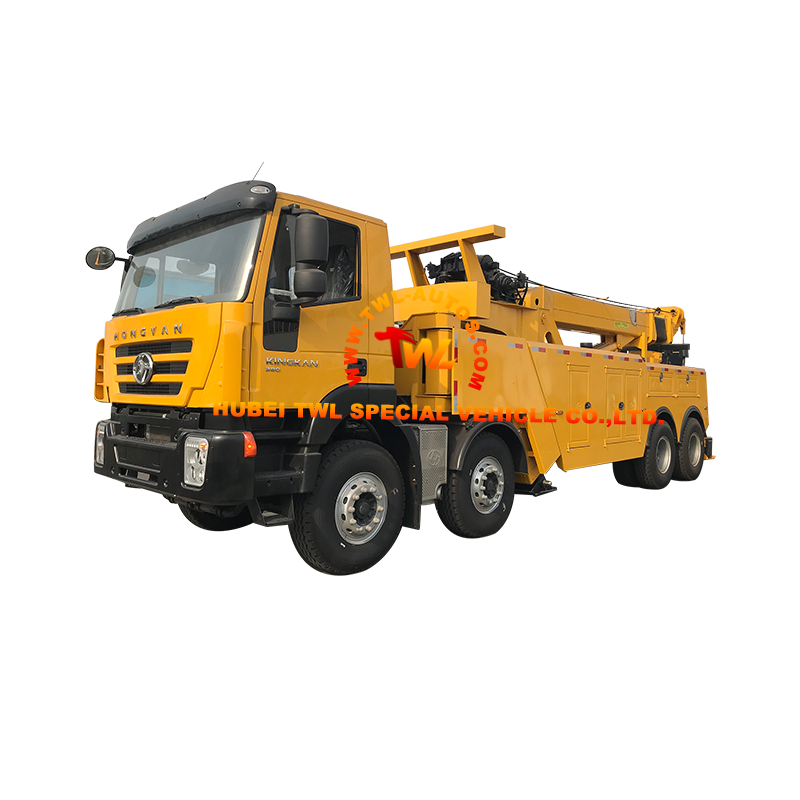
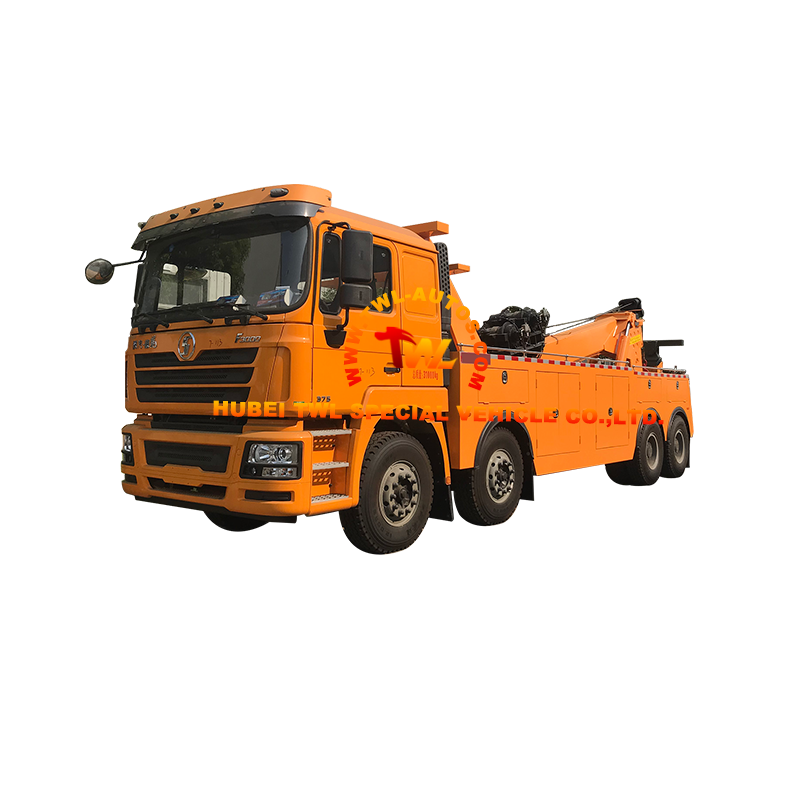
Professional Towing Systems (Flatbed, Wrecker, Integrated)
Each system serves a purpose:
● Flatbed: safest for all vehicles
● Wheel-lift: quick urban towing
● Integrated: heavy-duty recovery
This versatility makes them indispensable.
Faster & More Efficient Operations
Time matters—especially in roadside emergencies.
Tow trucks reduce setup time and increase operational efficiency.
Suitable for Commercial & Emergency Use
If you’re running a business, reliability isn’t optional.
Tow trucks are built for:
● Daily operations
● Heavy workloads
● Emergency response
How to Choose the Right Tow Truck for Your Business
If you’re considering scaling into towing operations, choosing the right truck is critical.
Focus on:
● Load capacity matching your use case
● Hydraulic system reliability
● Structural durability
● Customization options
● Supplier credibility
A poorly chosen truck will cost more in downtime than it saves upfront.
Why Choose TWL SPECIAL VEHICLE as Your Tow Truck Manufacturer
Let’s be practical—you’re not just buying a truck. You’re investing in a long-term asset.
TWL SPECIAL VEHICLE stands out because:
● Strong manufacturing experience in ISUZU-based tow trucks
● Advanced production and quality control systems
● Customizable configurations for different markets
● Proven export capability
● Reliable after-sales support
Whether you need a flatbed tow truck for sale or a heavy-duty recovery unit, working with a professional tow truck supplier China ensures you get both performance and value.
FAQ
Do I Need Special Mirrors For Towing?
Yes, extended towing mirrors improve visibility and reduce blind spots.
Is A Tow Bar Better Than A Tow Dolly?
Tow dollies are generally safer, especially for longer distances.
How Do I Know My Truck’S Towing Capacity?
Check the owner’s manual or manufacturer label on the driver-side door.
Do I Need Safety Chains When Towing A Car?
Absolutely. They provide a backup in case the primary connection fails.
Can You Tow A Car With A Regular Pickup Truck?
Yes, if the truck has sufficient towing capacity and proper equipment.
What Is The Safest Way To Tow A Car With A Truck?
Using a car trailer or flatbed tow truck.
What Type Of Tow Truck Is Best For Heavy-Duty Towing?
Integrated or heavy-duty wreckers are ideal.
Are Tow Trucks Better For Commercial Towing Operations?
Yes, they are designed for efficiency, safety, and durability.
Why Is A Flatbed Tow Truck Considered The Safest Option?
Because the entire vehicle is lifted off the ground, minimizing damage.
What Is The Difference Between Tow Truck And Regular Truck Towing Car?
Tow trucks are purpose-built with specialized systems, while regular trucks rely on external equipment.
Conclusion
Towing a car with a truck isn’t just about pulling weight—it’s about control, safety, and precision. While methods like tow dollies or trailers can work in specific scenarios, they come with limitations and risks if not used correctly. For consistent performance and professional results, investing in a tow truck is the smarter move.
If you’re looking to buy tow truck solutions that combine durability, efficiency, and customization, TWL SPECIAL VEHICLE offers reliable options tailored to your business needs. Get in touch today to explore high-performance towing solutions and elevate your operations.